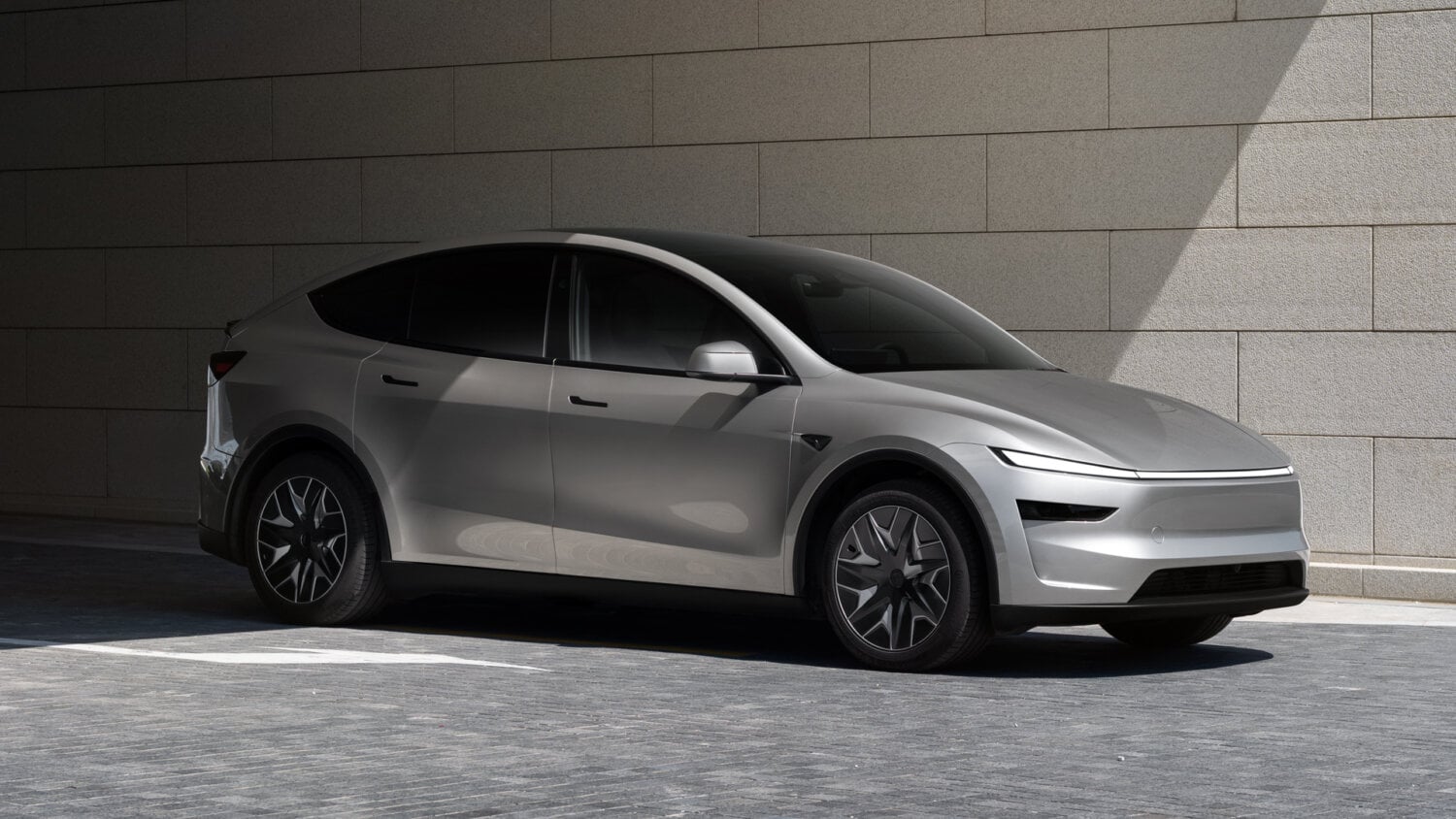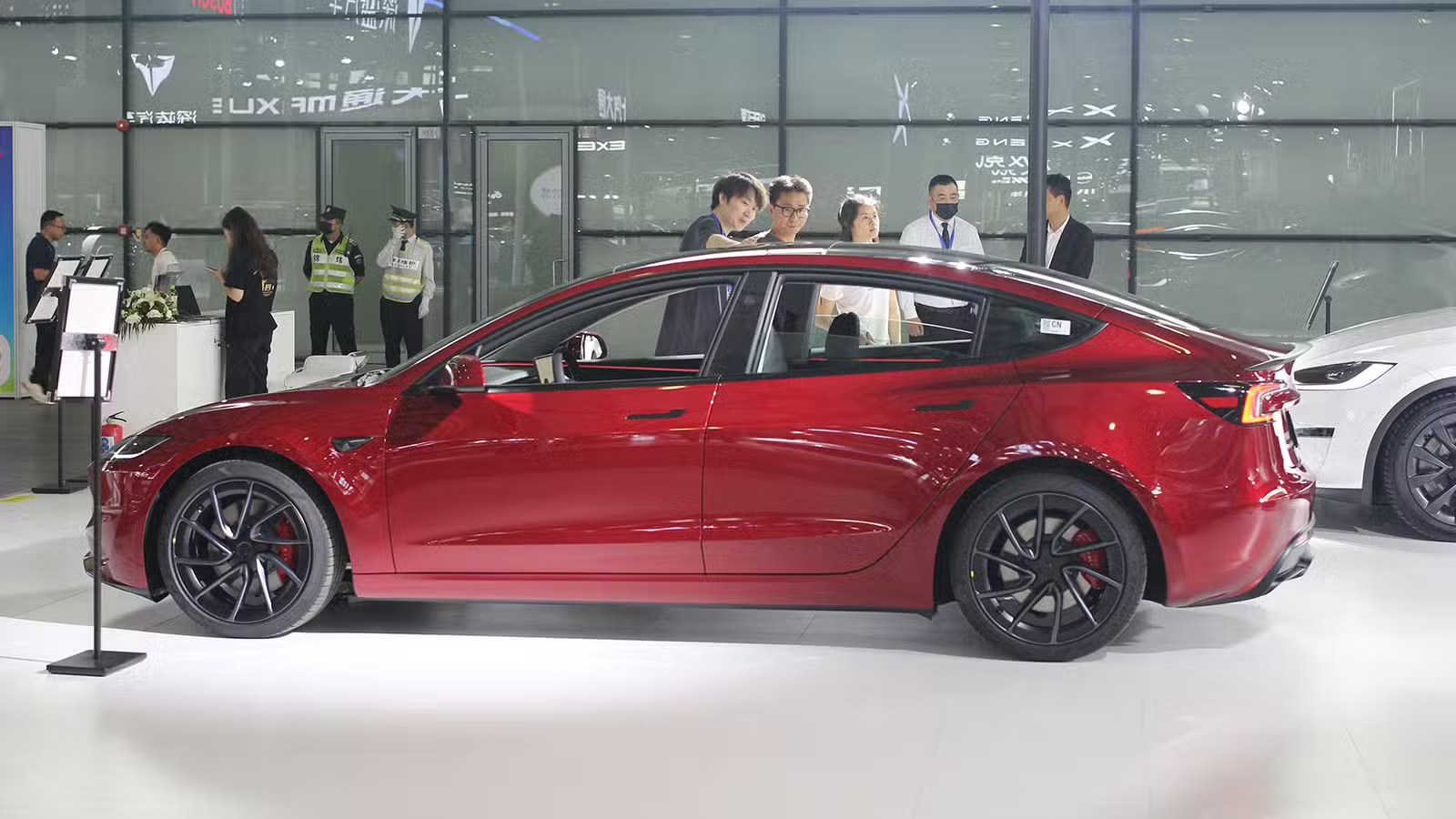

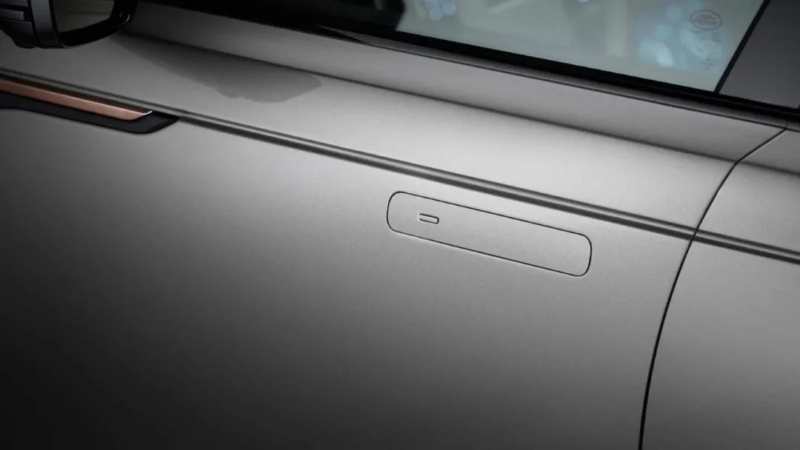
Remember that sleek, futuristic feeling when your car’s door handles silently glide out to greet you? That satisfying whir of motors, that clean flush surface when parked? For years, retractable door handles have been the signature design flourish of the modern electric vehicle, a visual shorthand for high tech and aerodynamic efficiency. But here’s the thing about living with the future: sometimes it breaks down. Sometimes it freezes solid in a Changchun winter, trapping you inside. Sometimes it fails in a crash when you need to get out most.
Now, Chinese automotive regulators are preparing to pull the plug on the fully retractable door handle altogether. According to industry reports, a comprehensive ban is being drafted, with enforcement potentially starting as soon as July 2027. It’s a massive shift for an industry that embraced the look, and it speaks to a broader reckoning happening in China’s automotive design philosophy. We’re moving from form-over-function back to a smarter balance, where safety and reliability aren’t sacrificed at the altar of a clean silhouette.
The Allure and the Engineering Reality
Let’s break down why these handles became so popular, and why the math never really added up. The sales pitch was always about aerodynamics. A smoother door surface, the theory goes, lets air slip past more easily, reducing drag. That should mean better range, right? In the real world, the gains are microscopic. Engineers calculate that the typical drag coefficient (Cd) improvement from a hidden handle is between 0.005 and 0.01. For perspective, that might save you about 0.6 kilowatt-hours of energy over 100 kilometers of driving.
At home charging rates, you’re talking pennies. Meanwhile, to achieve that tiny gain, you’re adding 7 to 8 kilograms of motors, gears, and wiring to each door. The weight penalty can easily cancel out the aerodynamic benefit. It’s a classic case of over-engineering for a spec sheet boast that doesn’t translate to the driver’s seat or their electricity bill.
When the Future Freezes: The Safety Failures
This is where the story turns from inconvenient to genuinely alarming. A door handle is a critical safety component. In an emergency, it’s your primary means of escape. Retractable handles, which rely entirely on electric power, have a terrifying failure mode: when the power goes, so does your exit.
The data is stark. China’s own crash test authority, C-IASI, found that vehicles with electronic door handles had only a 67% success rate for doors popping open in side collision tests. Traditional mechanical handles? A 98% success rate. The National Accident In-depth Investigation System reported a 47% spike in accidents linked to door handle failures in 2024, with hidden handles responsible for over 80% of those incidents.
The anecdotes are chilling. During heavy rains in Guangdong, short-circuited handles trapped passengers who had to smash windows to escape. In Changchun, a frozen motor left occupants stranded, missing crucial rescue time. These aren’t isolated glitches; they’re systemic flaws in a design that prioritizes a silent, motorized ballet over a simple, guaranteed pull. This push for fundamental safety in Chinese EVs is now clashing directly with a trendy but flawed feature.
The Daily Hassle Factor
Beyond the dramatic safety scenarios lies the everyday annoyance. These handles are notoriously unreliable. Industry sources say they’re three times more expensive than mechanical units but fail eight times more often. For one major NEV brand, door handle issues make up 12% of all repair cases. That’s a huge chunk of warranty costs and customer frustration.
Then there’s the user experience. Ever tried to show someone how to get into your fancy EV? There’s always that awkward fumble. “Wait for it… it should pop out… maybe press the button again?” They’re confusing for first-timers and elderly passengers. The Consumer Association logged a 132% year-on-year increase in complaints about children’s fingers getting pinched in the mechanisms, with injuries severe enough to include broken bones. For a daily driver, that’s just not acceptable.
Smart Alternatives Already on the Road
The good news is that the industry isn’t waiting for the ban to innovate smarter solutions. Some brands never fully bought into the trend. Volkswagen, for instance, has largely stuck with semi-retractable handles that offer a cleaner look but keep a physical lever to grab.
More interesting are the integrated safety solutions. Take the new FAW-Audi A5L and Q6L e-tron. They use semi-retractable handles, but they’ve built in a brilliant failsafe. In a collision, a bright red pull cord automatically deploys from the door frame, giving rescuers a purely mechanical handle to work with. It’s a perfect example of having your aesthetic cake and eating it too, safely.
Even within China’s ambitious luxury segment, exemplified by cars like the BYD Yangwang U7, the conversation is shifting. Great Wall Motor’s chairman, Wei Jianjun, has been publicly vocal, calling hidden handles heavy, poorly sealed, noisy, and an unnecessary safety hazard for negligible aero benefit. When industry leaders talk like that, you know change is coming.
A Broader Regulatory Reckoning
This isn’t just about door handles. It’s part of a wider regulatory push in China to rein in design choices that compromise safety for the sake of a minimalist, high-tech vibe. The Ministry of Industry and Information Technology (MIIT) began revising the “Safety Technical Requirements for Automobile Door Handles” standard back in May 2025, specifically targeting hidden handles.
The philosophy is echoing globally. Euro NCAP has announced that starting in 2026, it will withhold its top five-star safety rating from cars that bury critical functions like turn signals, hazard lights, and wipers in touchscreen menus without physical backups. It’s the same principle: when seconds count, muscle memory and tactile feedback matter. This aligns with other regulatory clarifications in China’s EV space that prioritize real-world safety over theoretical performance.
We’re seeing a backlash against the total elimination of buttons, against panoramic sunroofs with questionable rollover protection, against electronic side mirrors that can fail. The era of sacrificing the practical and the proven for the sleek and the digital is hitting its limits. Safety agencies and, crucially, consumers are demanding smarter integration.
What This Means for Your Next Car
If you’re shopping for an EV in China in the next few years, you’ll likely see this shift play out in real-time. The proposed regulations would allow semi-retractable and traditional handles, but with a strict requirement for mechanical redundancy. That means a guaranteed, non-electronic way to open the door from inside and out.
For owners, this is unequivocally good news. It means lower repair costs, fewer trips to the service center, and one less thing to worry about in extreme weather or an emergency. The driving experience might lose a tiny bit of sci-fi theater, but it gains immense peace of mind. It proves that innovation doesn’t have to mean complexity, and that good design solves problems rather than creating them.
As models like the Nio Firefly have shown, you can build a compact, affordable EV that doesn’t compromise on core safety. The coming ban on retractable handles is a sign of the Chinese auto industry’s maturation. It’s moving past imitation and flashy gimmicks toward thoughtful, user-centric engineering. The future of car design is looking smarter, and more importantly, it’s looking safer. And that’s a trend worth embracing.