
Picture this. You’re standing at the starting line of the world’s most intense automotive race, but instead of roaring engines, there’s just the faint hum of electric motors. The checkered flag drops, and ten Chinese EV startups explode off the line, each vying for dominance in a market that’s rewriting the rules of car ownership. October’s sales figures just came in, and let me tell you, the results are more thrilling than a sub-3-second 0-100 km/h launch.
Forget everything you thought you knew about the automotive pecking order. In China’s new energy vehicle arena, the startups aren’t just participating, they’re dominating. October’s numbers tell a story of aggressive growth, strategic positioning, and products that are resonating with real people in ways traditional automakers can only dream of. This isn’t just about moving metal, it’s about a fundamental shift in how we think about cars, technology, and value.
The Unstoppable Force: Leapmotor’s Record Run
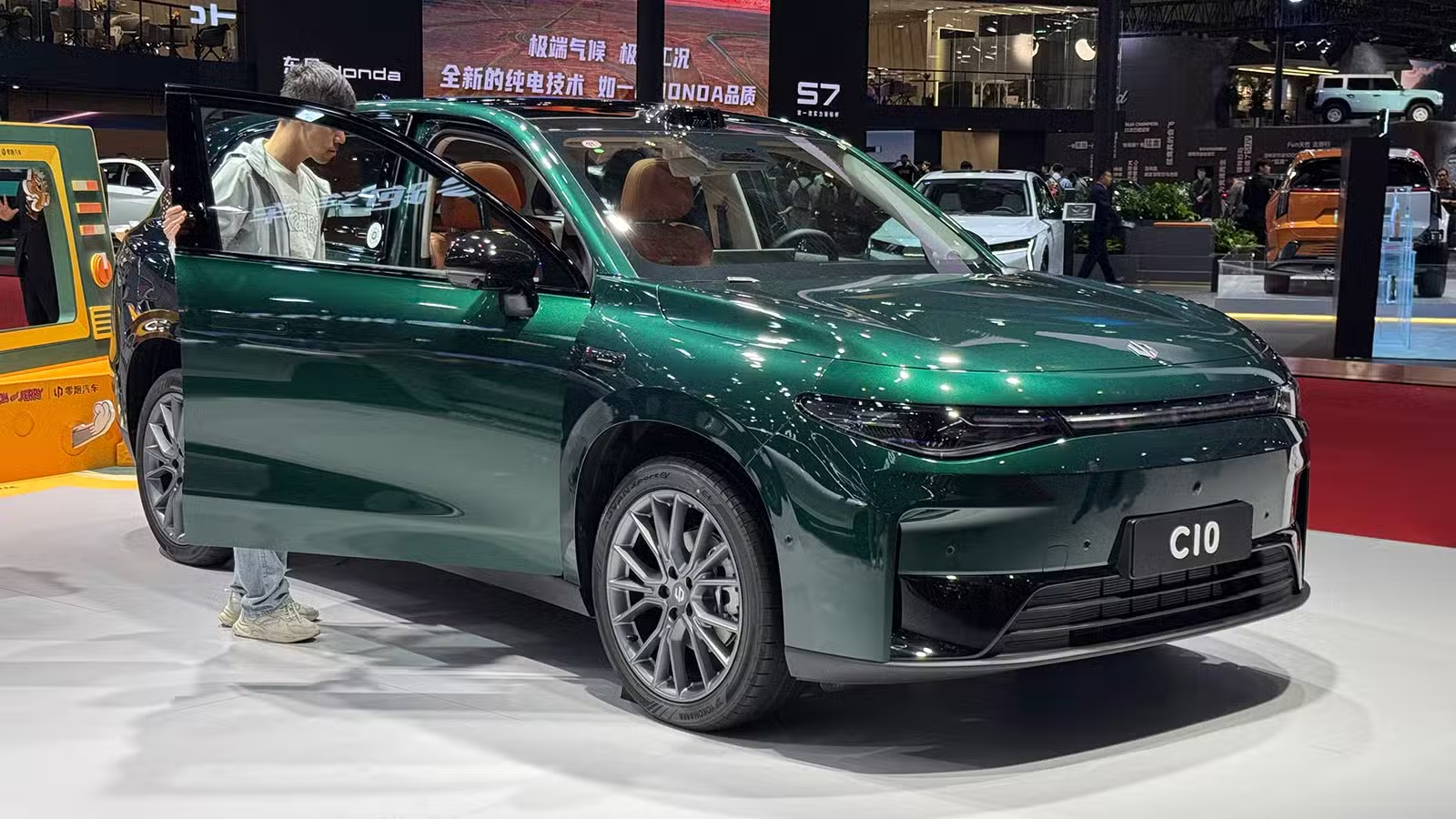
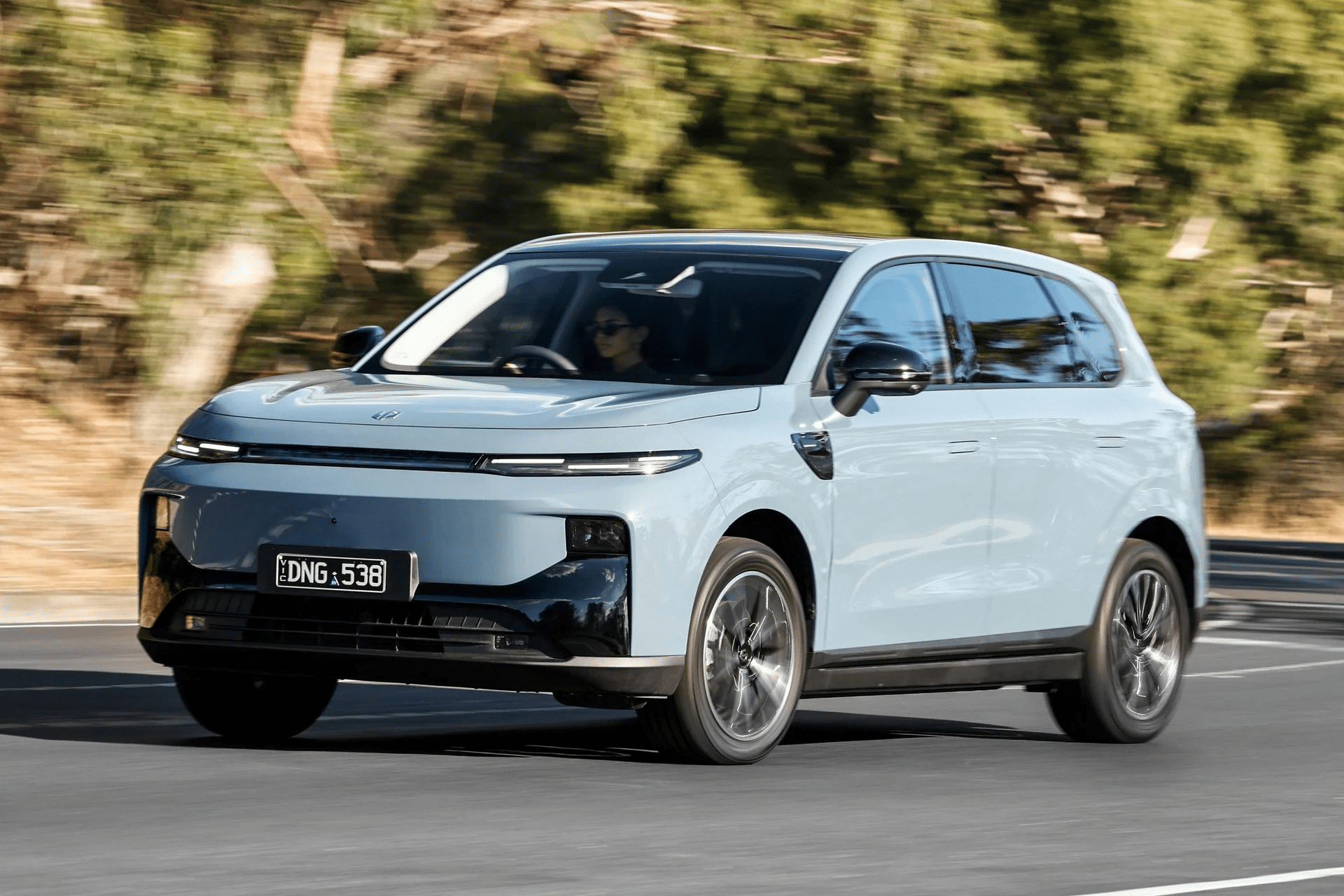
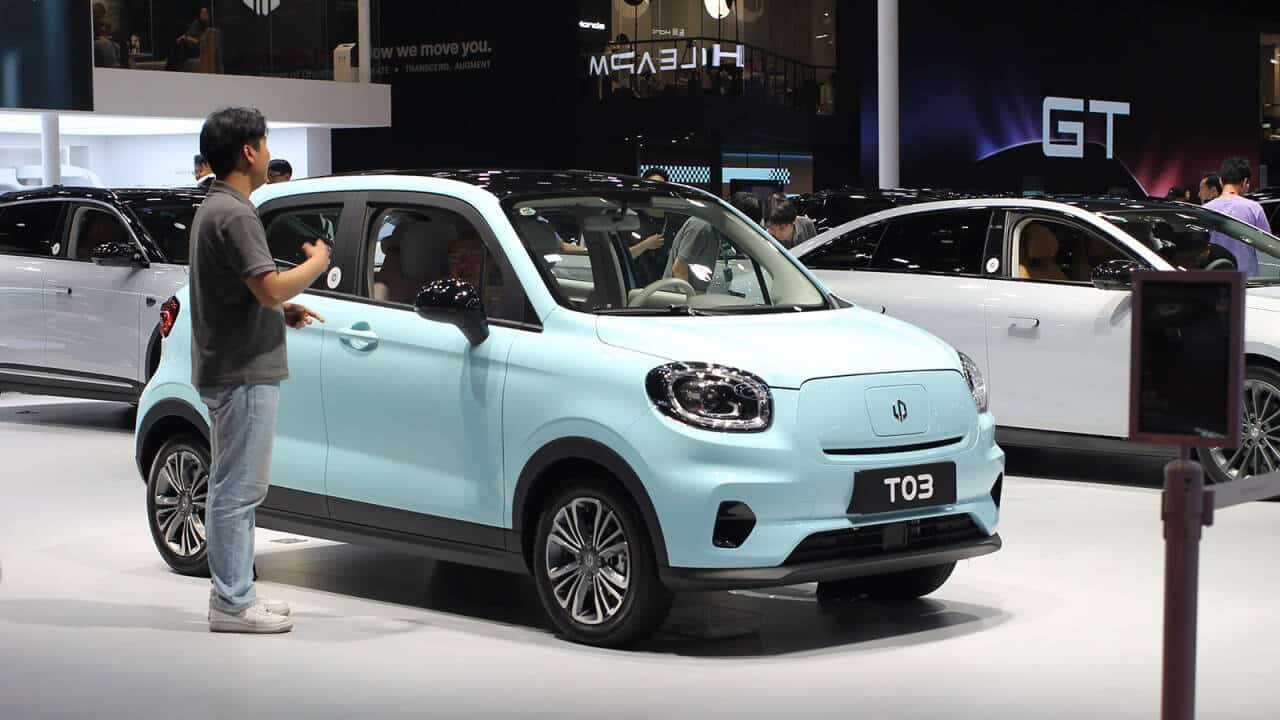
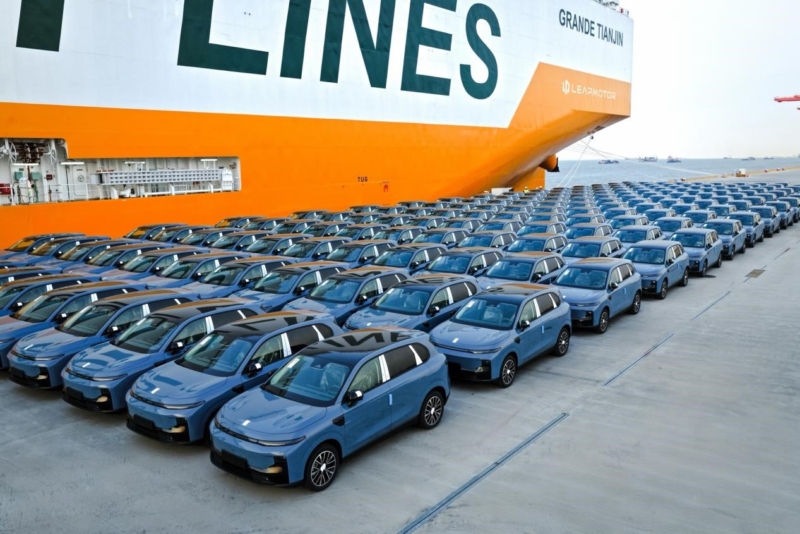
Let’s start with the headline act. Leapmotor didn’t just win October, they absolutely crushed it with 70,289 vehicles delivered. That’s not just a number, it’s a statement. Breaking the 70,000 barrier for the first time represents an 84% year-on-year surge that would make any performance car blush.
What’s really fascinating here isn’t just the volume, but the consistency. This marks eight consecutive months at the top of the NEV startup sales ranking, proving that their success isn’t a fluke. It’s the result of a product strategy that hits that sweet spot between technology, design, and, crucially, price.
Think about what 70,289 vehicles means on the road. That’s enough electric cars to fill a small city’s worth of parking lots. Each one represents a family choosing electric over gasoline, a commuter enjoying silent acceleration, someone experiencing that instant torque thrill for the first time. The emotional impact of that many new EV adopters is something you can’t quantify on a spreadsheet.
And they’re not resting on their laurels. The Leapmotor D19 EREV crossover just started pre-sales in China, while the B05 (known locally as the Lafa 5) kicks off its own pre-sale campaign on November 7. Then there’s the all-new A10, set to debut at the Guangzhou Auto Show later this month. This relentless product cadence keeps enthusiasts engaged and gives existing owners confidence that their brand is here to stay.
The Premium Play: HIMA’s Million-Milestone Moment
Right on Leapmotor’s heels, HIMA delivered 68,216 vehicles in October. But here’s where it gets really interesting. While the volume is impressive, the average transaction price of 390,000 yuan (about $54,800 USD) tells a different story. This isn’t about moving budget EVs, it’s about convincing people to spend serious money on Chinese electric luxury.
HIMA just crossed the one million cumulative sales mark, making them the fastest NEV startup to hit that milestone. Let that sink in. One million vehicles from a startup that most people outside China haven’t even heard of yet. Each of those sales represents someone choosing a Chinese premium EV over established German or Japanese luxury brands.
From an enthusiast perspective, this is huge. It means there’s a viable market for high-end Chinese EVs, which in turn fuels more investment in performance technology, advanced materials, and cutting-edge features. When startups can command premium prices, they can afford to push the boundaries of what’s possible.
The Tech Titan: Xpeng’s Global Gambit
Xpeng’s 42,013 October deliveries might look modest compared to the top two, but the growth story here is nothing short of spectacular. A 76% year-on-year increase and 190% growth for the first ten months of 2025 shows this isn’t just momentum, it’s acceleration in the purest sense.
What really gets my gears turning is Xpeng’s environmental math. They claim their EVs will reduce carbon emissions by over 5.56 million tons compared to gasoline vehicles. That’s equivalent to the carbon sequestration of nearly 92 million medium-sized trees over a decade. For enthusiasts who care about performance AND the planet, that’s a compelling narrative.
But here’s where it gets really strategic. In October alone, Xpeng expanded into seven new countries: Lithuania, Latvia, Estonia, Cambodia, Morocco, Tunisia, and Qatar. That’s not just growth, it’s a calculated global chess move. Each new market represents another front in the battle for EV dominance, another group of enthusiasts who’ll experience Chinese EV technology firsthand.
The New Guard: Nio and Xiaomi’s Calculated Entry
Nio’s 40,397 deliveries represent steady, consistent performance from a brand that’s become synonymous with premium Chinese EVs and battery swapping technology. There’s a certain confidence that comes from Nio’s numbers, a sense that they’ve found their rhythm in the market.
Then there’s the wild card. Xiaomi’s “40,000+” figure might be the most intriguing number on the list. The plus sign says everything. It’s not just that they’re moving units, it’s that they’re doing so with the kind of demand that makes precise counting difficult. For a company that only recently entered the automotive space, this kind of immediate traction is unprecedented.
Think about what Xiaomi’s rapid EV adoption means for the industry. This is a tech company applying Silicon Valley-style disruption to automotive manufacturing. Their success proves that fresh thinking, when combined with manufacturing scale, can challenge decades of automotive tradition.
The Supporting Cast: Deepal, Li Auto, and the Pursuit Pack
Deepal’s 36,792 vehicles might not grab headlines like the top performers, but in the brutal Chinese EV market, surviving is winning. Every one of those sales represents a customer who chose them over dozens of alternatives.
Li Auto’s 31,767 deliveries are particularly interesting given their focus on extended-range electric vehicles (EREVs). In a market increasingly dominated by pure EVs, Li Auto’s continued success proves there’s still strong demand for vehicles that bridge the gap between electric and conventional.
Voyah (17,218), Avatr (13,506), and IM Motors (13,159) round out the top ten. These numbers might seem small compared to the leaders, but each represents a viable business, a team of engineers and designers pushing boundaries, and most importantly, real customers who believe in their vision.
What This Means for You, the Enthusiast
Let’s talk brass tacks. Why should you, as someone who loves cars, care about these sales numbers?
First, competition breeds excellence. When ten companies are fighting for every sale, they can’t afford to deliver mediocre products. The intense competition among Chinese EV startups means better technology, more innovative features, and constantly improving performance for everyone.
Second, scale drives affordability. When Leapmotor sells 70,000 vehicles in a month, they achieve economies of scale that let them invest in better battery technology, more efficient motors, and advanced driver assistance systems. Those improvements eventually trickle down to more affordable models.
Third, success fuels innovation. Profitable companies can afford to take risks. They can develop wild concepts, push the boundaries of battery chemistry, and experiment with new manufacturing techniques. Every sale contributes to the R&D budget that creates tomorrow’s breakthrough technologies.
From a technical perspective, this sales volume validates certain approaches. The success of EREVs like those from Li Auto proves that range anxiety is still a real concern for many buyers. The premium pricing of HIMA shows that Chinese brands can compete on quality, not just cost. And the global expansion of companies like Xpeng demonstrates that Chinese EV technology has export potential.
The Road Ahead: More Than Just Numbers
Looking beyond October, the real story is about what comes next. Leapmotor’s upcoming models, including the B05 with its 605km range at a sub-$15,000 price point, represent the next wave of value-focused EVs.
Xiaomi’s continued growth could fundamentally reshape how we think about car ownership, bringing tech company agility to an industry known for slow iteration. Nio’s battery swap network continues to expand, addressing one of the last remaining hurdles to mass EV adoption.
For consumers, this competitive intensity translates to better choices. Want a luxury EV with cutting-edge tech? HIMA’s got you covered. Need maximum range for long road trips? Li Auto’s EREVs offer a compelling solution. On a budget but still want decent performance and range? Leapmotor’s lineup delivers.
The ownership experience is improving too. With scale comes better service networks, more charging infrastructure, and stronger resale values. Early adopters took risks on unproven brands, but today’s buyers benefit from established companies with proven track records.
Here’s the bottom line. October’s sales figures aren’t just statistics. They’re a snapshot of an industry in hyperdrive, a testament to what happens when innovation meets execution. Each number represents real people choosing electric, experiencing that silent surge of acceleration, and becoming part of a transportation revolution.
The Chinese EV startup scene has moved from curiosity to contender to, in many cases, leader. And for enthusiasts around the world, that means more exciting cars, more innovative technology, and more choices than ever before. The race is on, and everyone wins when the competition is this fierce.
So next time you see one of these Chinese EVs on the road, remember. It’s not just a car. It’s a vote for innovation, a statement about value, and proof that the future of driving is being written right now, in showrooms and on spreadsheets across China. The numbers don’t lie, and they’re telling us one thing: the electric revolution isn’t coming. It’s already here.