
Xpeng just threw down the gauntlet at its 2025 AI Day, revealing a slew of next-gen tech that’s set to redefine mobility as we know it. We’re talking about navigation-free robo cars, full-blown L4-level Robotaxis, a wild 6-seat modular A868 flying car, and an incredible new humanoid robot. If that wasn’t enough, Volkswagen has officially signed on as an early partner for Xpeng’s second-generation VLA (Vision-Language-Action) system and Turing AI chips, marking a significant collaboration in the automotive world.
Xpeng’s VLA 2.0: The Brains Behind the Operation
At the heart of Xpeng’s ambitious plans is its second-generation VLA model, which they’re even making open source for global partners. This VLA 2.0 system is the computational backbone for all of Xpeng’s future innovations, from vehicles to Robo cars, Robotaxis, and even those futuristic modular flying cars and robots. It’s running on Alibaba Cloud, a computing powerhouse that’s already boasting 30,000 GPUs and is slated to expand to a massive 50,000–100,000 GPUs by next year. This platform uses a staggering 720-billion-parameter architecture, with full-chain updates happening every five days. What does all that mean for you? It means these vehicles can understand and react to their environment in incredibly nuanced ways, responding to hand gestures, traffic lights, and pedestrian signals with impressive precision. The “small road NGP” function, for instance, reportedly boosts performance on complex roads by up to 13 times, making urban driving a breeze.
Navigation-Free Driving and L4 Robotaxis
One of the most exciting features is the navigation-free assisted driving mode. This tech lets vehicles drive themselves without needing preloaded map data, making it work anywhere. Xpeng plans to roll this out to early users in December 2025, with a full deployment on their top-tier P7 Ultra and G9 Ultra models expected early in 2026.
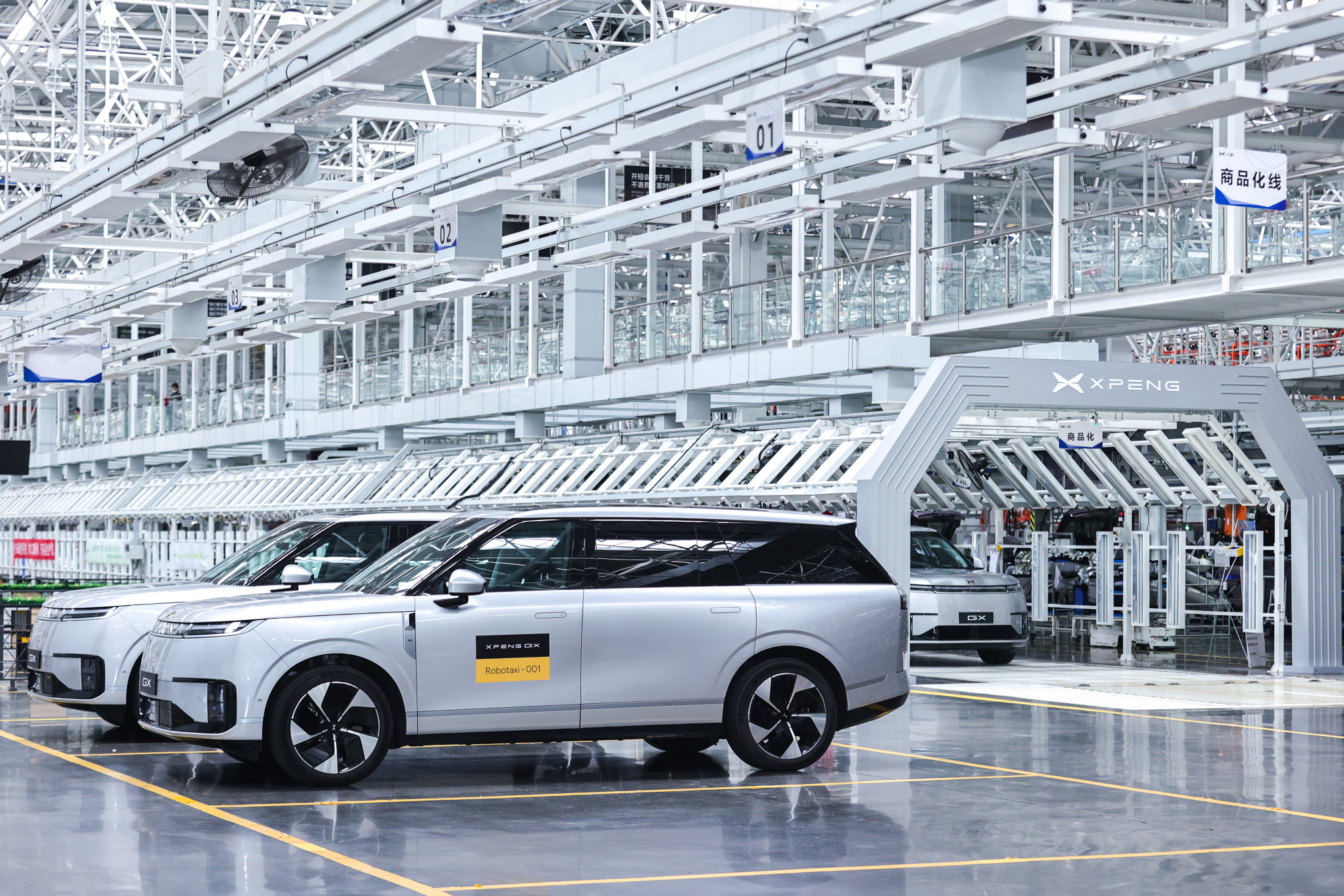
But Xpeng isn’t stopping there. They’ve also got an L4-level autonomous driving experience called Robo in the works, set for select models in 2026. These Robo versions will pack four Turing chips, laying down 3,000 TOPs of computing power, and offer two driving modes for even higher autonomous capabilities. This is a significant leap past current Max and Ultra versions.
Next year, Xpeng will also bring out three Robotaxi models with similar hardware. These Level 4 autonomous vehicles are set to start trial operations in Chinese cities like Guangzhou. They’ll even have external interaction functions to show their driving intentions to pedestrians and other drivers, plus an open SDK for global partners. Amap has already signed on as the first global ecosystem partner, which is a big deal.
Volkswagen and Xpeng: A Powerful Partnership
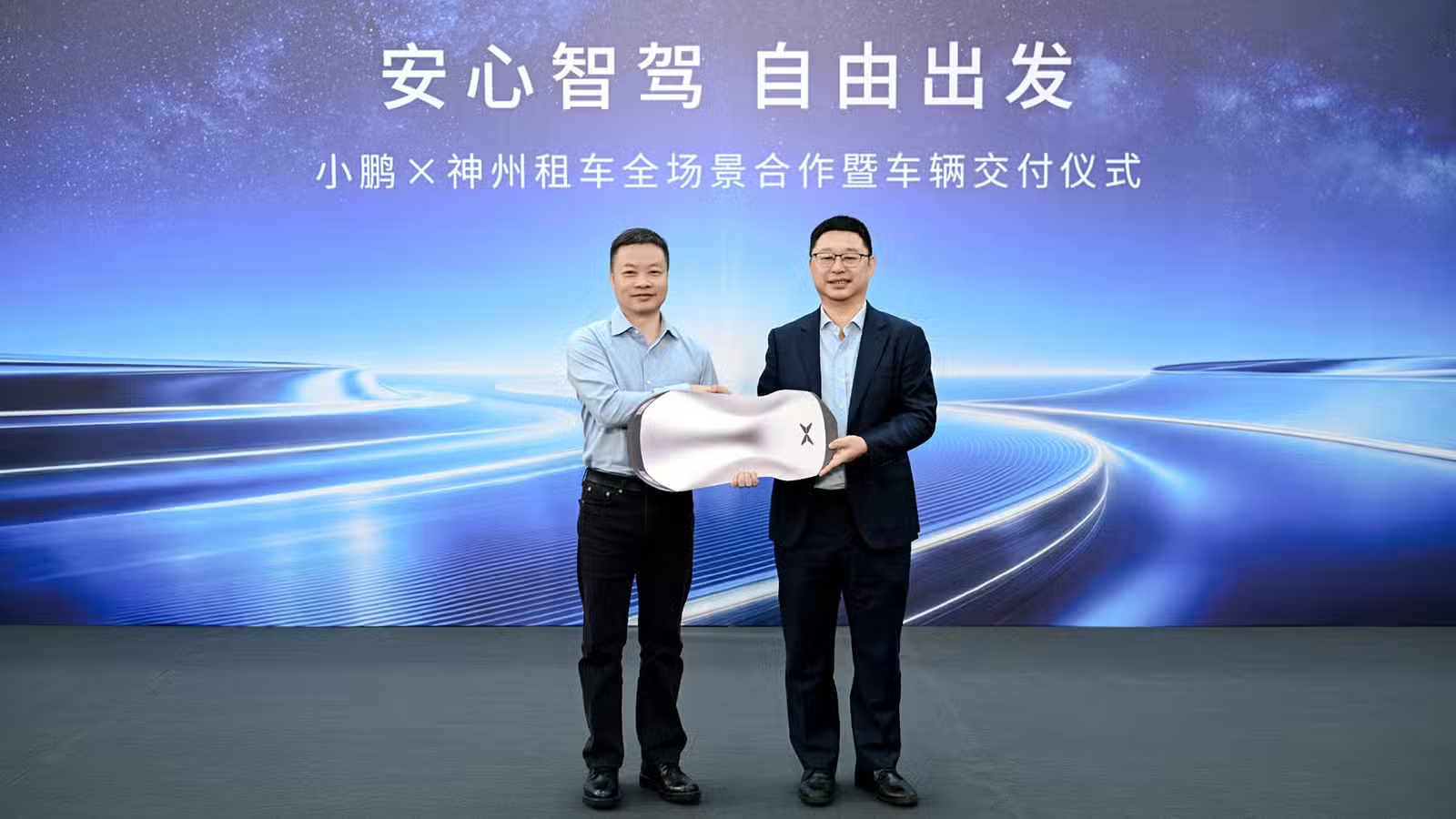
This partnership is a big endorsement for Xpeng, as Volkswagen confirmed it as its first strategic customer for the VLA 2.0 model. Volkswagen will also use Xpeng’s self-developed Turing AI chip in its vehicles. This is actually the sixth time these two companies have teamed up, building on previous collaborations in electrical architecture and ultra-fast charging networks. It just goes to show how much confidence global players have in Xpeng’s innovations.
The Intelligent Cabin Experience
The VLA model integrates seamlessly with Xpeng’s VLM (Vision-Language Model) system, creating a super responsive connection between the driver, vehicle, and the autonomous system. The in-cabin processor is no slouch, delivering 750 TOPs to power multilingual voice assistants, quicker response times, better privacy, and a wider range of functions. Together, the VLA 2.0 and Turing AI platform truly form the high-tech core of Xpeng’s future mobility ecosystem.
Into the Skies and Beyond: The A868 Flying Car
Xpeng isn’t just focused on roads, they’re looking to the skies too. Their A868 modular tilt-rotor flying car, showcased under the Xpeng Aridge brand, is a hybrid marvel. It can carry six passengers, boasts a range of over 500 km, and hits a top speed north of 360 km/h. The best part? It takes off vertically, so no runway needed. This vehicle is part of Xpeng Aridge’s two-pronged flying mobility plan: a land-based personal low-altitude flight experience for mass production in 2026, and the A868 for longer, multi-passenger journeys. They’re even rolling out the industry’s first flying car license with professional one-on-one training, making it sound almost too easy to fly with its “single-hand flight” system.
The Humanoid Future: Xpeng Iron Robot
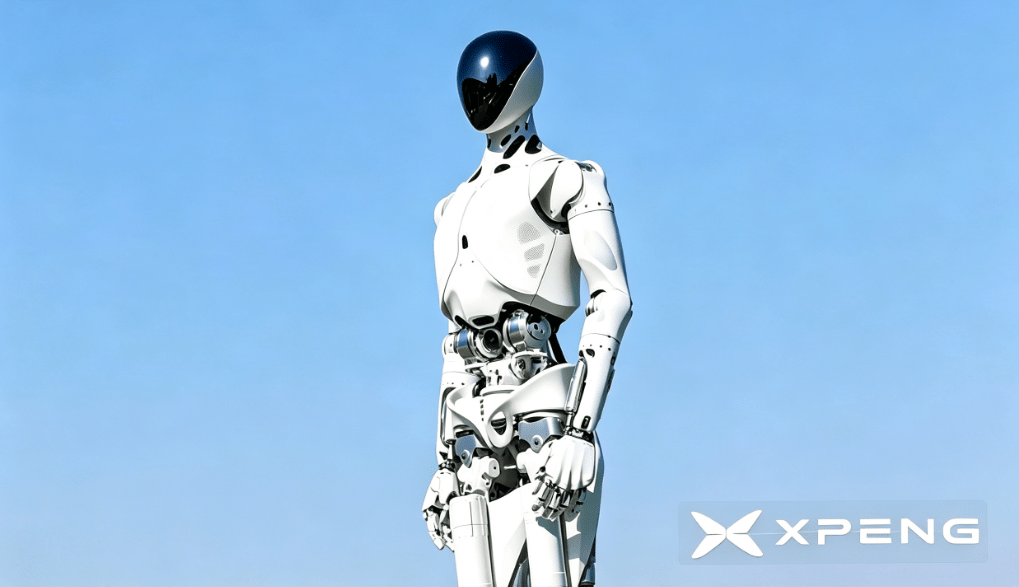
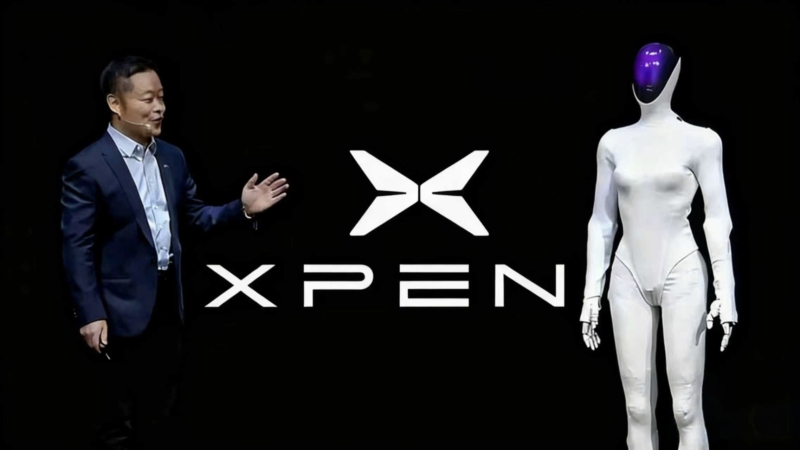
On the robotics front, Xpeng introduced its new-generation Iron humanoid robot. Designed for broader applications and easier commercialization, Iron features incredibly natural movements, a human-like body with 22 degrees of freedom in its hands, and a biomimetic spine. It even has a 3D curved head display for engaging interactions. Powered by three Turing AI chips and Xpeng’s VLA system, it churns out 2,250 TOPs for advanced conversation, walking, and interaction. Iron uses an all-solid-state battery for light weight and safety, with built-in active safety and privacy features. Xpeng aims for large-scale production by late 2026 and plans to open an SDK for developers to build out a whole humanoid robot ecosystem.
Xpeng’s Vision for Embodied Intelligence
Ultimately, Xpeng is aiming to become a global leader in “embodied intelligence.” Their new headquarters and intelligent manufacturing facility in Guangzhou are opening in December, and they’re expanding offices across China. These moves are all geared towards large-scale production of their robots, robo cars, Robotaxis, and flying vehicles. It’s clear Xpeng is playing the long game, integrating advanced physical AI technologies across all their mobility and robotics platforms to shape the future of transportation and beyond.