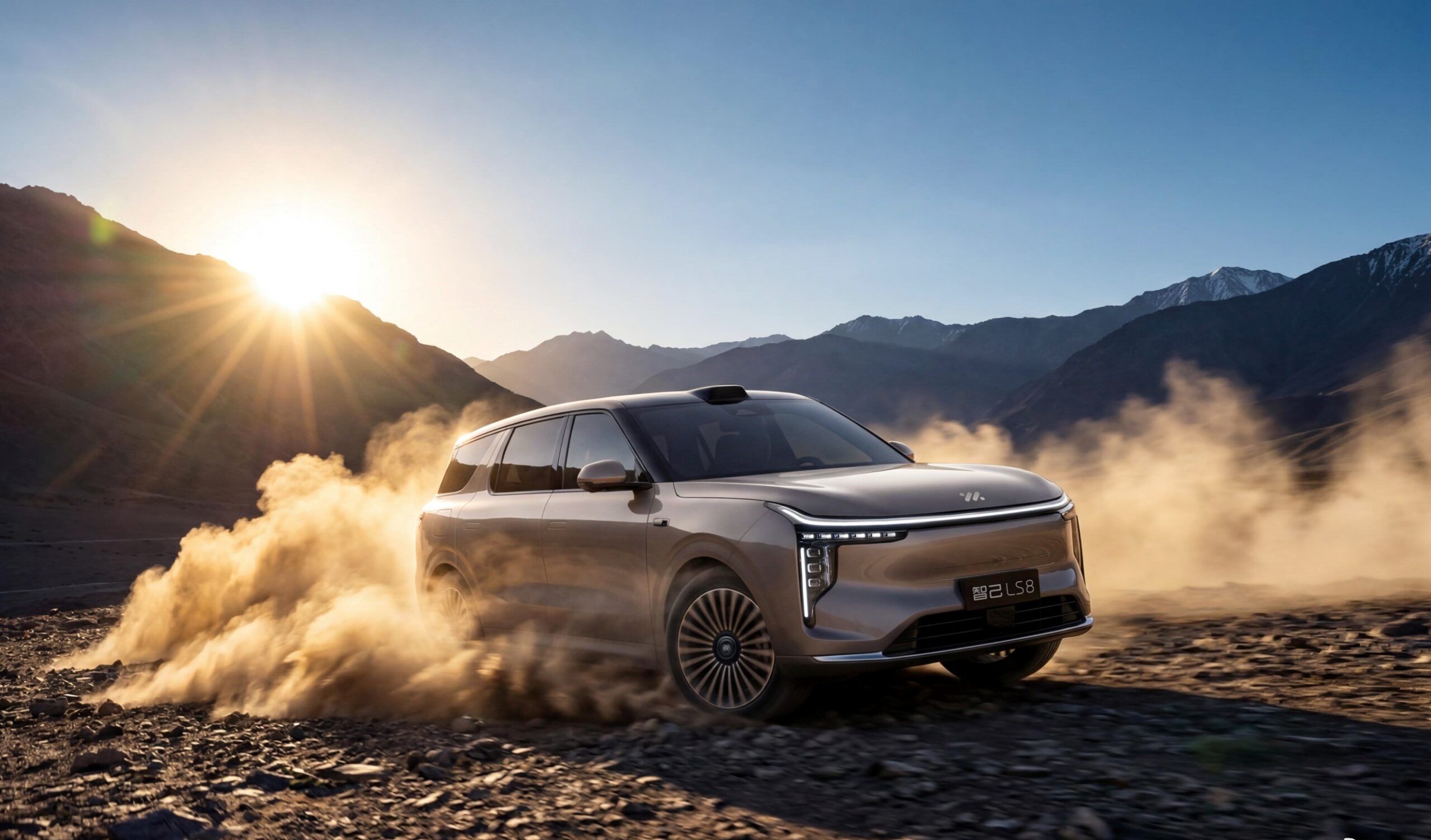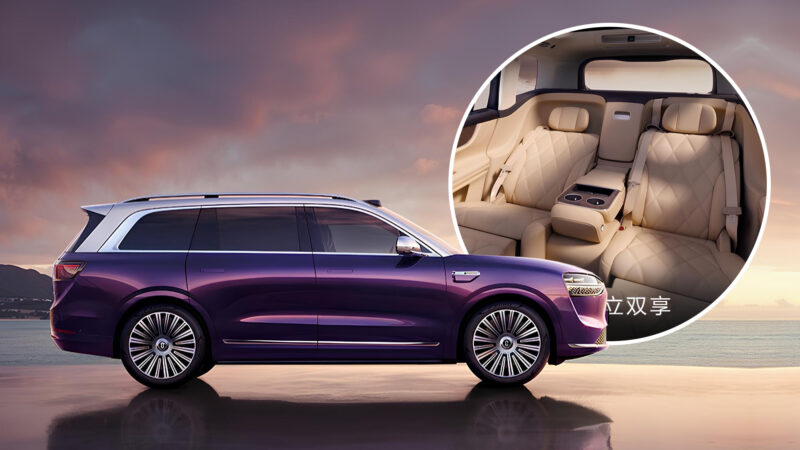

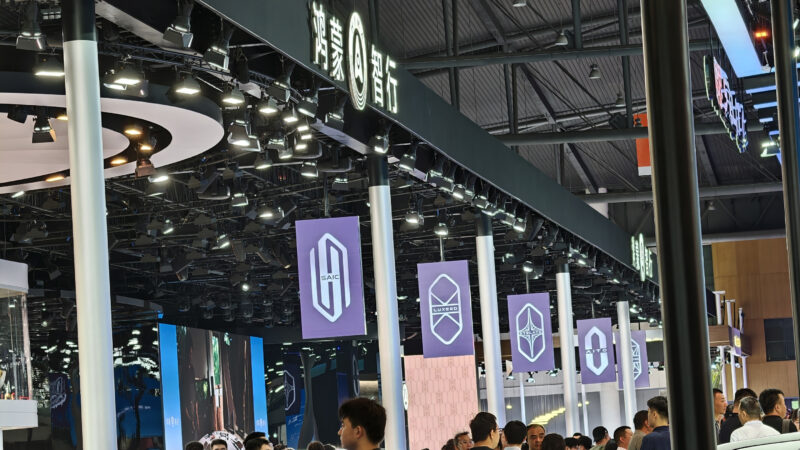
The Chinese electric vehicle (EV) market is a dynamic battleground, and a significant consolidation is underway as five Huawei-backed car brands deepen their strategic cooperation. Aito, Luxeed, Stelato, Maextro, and Saic are joining forces to standardize core technologies, create a unified after-sales network, and launch joint marketing initiatives. This move is a direct response to the evolving market landscape, particularly the impending revocation of new energy vehicle subsidies by the Chinese government.
A Unified Front in the EV Race
These five brands are not just loosely affiliated; they’re all joint ventures between Huawei and major state-owned Chinese automakers like Seres, Chery, BAIC, JAC, and SAIC. Their vehicles are exclusively sold through Harmony Intelligent Mobility Alliance (HIMA) stores, with Huawei developing the crucial ADAS (Advanced Driver-Assistance Systems) and smart cabin technologies that make these cars so compelling.
The synergy is already paying off. In November 2025, HIMA achieved a record-breaking sales volume of 81,864 units. The alliance delivered an impressive 494,375 vehicles from January to November, marking a 24.7% increase year-over-year. This growth signals a strong competitive stance in a market that’s only getting tougher.
Standardization and Shared Resources: The HIMA Advantage
This strategic deepening of cooperation means more than just shared showrooms. The HIMA brands are committed to standardizing core technologies and components. Imagine a seamless experience across models, from the Harmony OS cockpit to advanced driver assistance systems and cloud services. This commitment extends to unifying quality control, ensuring every vehicle meets a consistently high standard.
For consumers, this translates to a more integrated ownership experience. A cross-brand after-sales service network is in the works, streamlining everything from pre-sales consultations to vehicle delivery and ongoing maintenance. This kind of shared infrastructure could be a game-changer for customer satisfaction and brand loyalty in the fiercely competitive Chinese EV sector.
Building a Future Proof Charging Network and Innovation Hub
Charging infrastructure remains a critical factor for EV adoption, and HIMA is taking this seriously. The five brands are jointly investing in the construction of Huawei’s charging stations, with an ambitious goal of building a countrywide network. This will offer users a unified account system and an interactive charging map, making long-distance travel in a HIMA vehicle as effortless as possible. This aligns with broader trends in China, where charging solutions are constantly evolving.
The alliance is also establishing a dedicated HIMA innovation center, a hub for developing cutting-edge vehicle technologies. This focus on internal research and development is crucial for staying ahead in a market where technological advancements happen at lightning speed.
Integrated Marketing and a Diverse Model Lineup
Finally, the brands are integrating their marketing and service operations. This alliance-level synergy aims to bolster brand recognition, leverage complementary resources, and ultimately enhance market competitiveness. It’s a smart play in a market where major players like BYD are constantly expanding their dominance, and even new entrants like Xiaomi are quickly becoming forces to be reckoned with.
The HIMA model lineup is already impressive, boasting ten distinct models: the Aito M5, Aito M7, Aito M8, Aito M9, Luxeed S7, Luxeed R7, Stelato S9, Stelato S9T, Maextro S800, and Saic H5. This diversified portfolio, backed by a unified strategy, positions Huawei and its partners for continued growth in China’s ever-evolving EV landscape. With the market moving so quickly, collaborations like these are essential for sustained success. The future of Chinese EVs looks to be a blend of intense competition and strategic partnerships, all pushing the boundaries of what’s possible in electric mobility. Another example of this kind of strong partnership is with Volkswagen tapping Xpeng for autonomous driving brains in its upcoming EVs.