
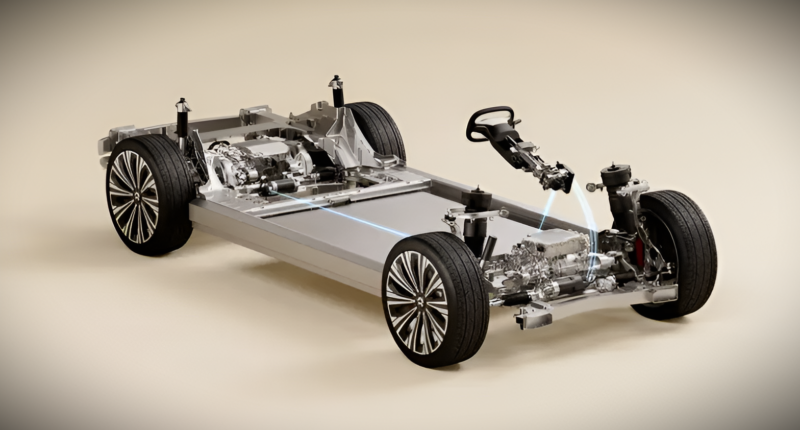
China’s automotive landscape is undergoing a significant shift. A new national standard for vehicle steering systems, set to kick in on July 1, 2026, is ditching the old mechanical linkage requirement. This bold move paves the way for the widespread adoption of full steer-by-wire technology, marking a new era for how cars handle on Chinese roads.
The Green Light for Advanced Steering
This isn’t just a minor regulation tweak. It’s a fundamental change that allows carmakers to fully unleash electronic and electric power-assisted steering systems. Imagine a future where the connection between your steering wheel and the road is entirely electronic. That future is now closer than ever, thanks to detailed safety and functional requirements included in this update.
The drafting process brought together a formidable lineup of players in the automotive world. Chinese giants like Nio, BAIC, Xpeng, BYD, Geely, Xiaomi, and Huawei were deeply involved. But it wasn’t just domestic powerhouses, joint ventures like Toyota’s smart EV center in China and Mercedes-Benz China also contributed. This broad participation highlights the standard’s universal applicability across various vehicle types and steering systems, whether they’re traditional or cutting-edge electronic setups.
Nio ET9 Leading the Charge
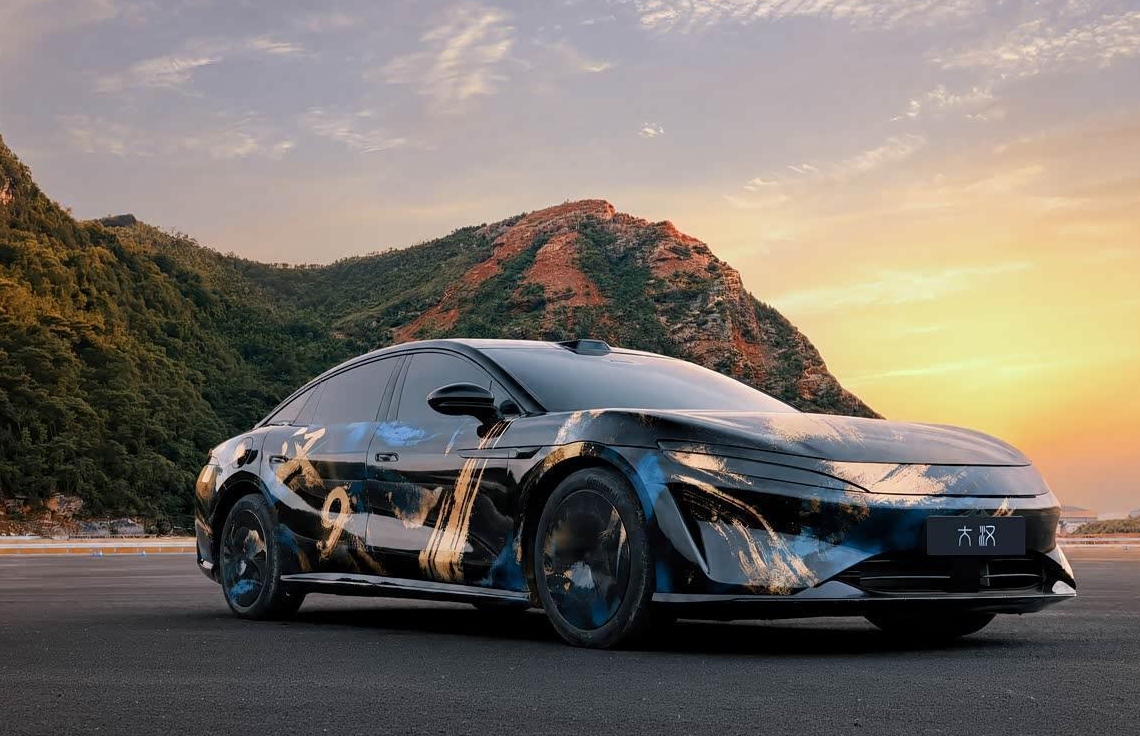
Steer-by-wire isn’t exactly brand new technology. You’ve seen it in action in vehicles like the Infiniti Q50, IM L6, Nio ET9, and the distinctive Tesla Cybertruck. What’s truly trailblazing about this new Chinese standard, though, is its embrace of full steer-by-wire without mechanical backup. The Nio ET9 stands as a prime example, being the first mass-produced model in China to boldly go all-electronic with its steering.
Safety and Performance: The Core of the New Standard
This new standard isn’t just about enabling new tech. It is about ensuring it is exceptionally safe. It places a strong emphasis on functional safety, aligning with the latest UN R79 amendments. Electronic steering systems must now comply with ISO 26262 safety levels, ensuring they meet rigorous international benchmarks. The standard also meticulously outlines system redundancy and defines exactly how these systems should perform under various failure scenarios, from power supply hiccups to control transmission glitches and energy management issues. If there is an issue, drivers will be alerted to potential problems like battery aging or performance degradation, thanks to real-time energy management monitoring.
Rigorous Testing and Validation
To back up these ambitious standards, comprehensive revisions clarify test procedures for steering system failures and establish functional safety validation protocols. Manufacturers must provide ironclad documentation for their electronic steering systems, which will then face review and random verification testing. It’s a stringent approach, ensuring that every vehicle hitting the road with this advanced tech is thoroughly vetted for safety and performance. The standard also updates terminology and reporting requirements for consistent implementation across the industry.