
Electric vehicles, or EVs, are shifting from just cool rides to bona fide financial tools, all thanks to Vehicle-to-Grid, V2G, tech. This smart system lets your EV act like a portable power station, pumping electricity back into the grid when demand peaks. Think of it, you’re helping keep the lights on and making some cash at the same time. The big question, though, is how this affects your battery’s long-term health.
A recent dive into a pilot V2G charging and battery swap station project by The Paper Institute, May 26-28, 2025, showed us what’s what. They chatted with car makers, battery gurus, and actual EV owners to get a feel for V2G’s present and future. What did they find out? It’s all about getting the word out, making sure owners see the benefits, and easing those worries about battery longevity. That’s the secret sauce for V2G taking off.
Monetary Gains Through Peak-Valley Electricity Pricing
One of the coolest perks for EV owners diving into V2G is the chance to earn some serious yuan from those peak-valley electricity price swings. Nio, a major player in the EV scene, is in on a V2G pilot project in Shanghai, rocking everything from home charging spots to slick bidirectional battery swap stations.
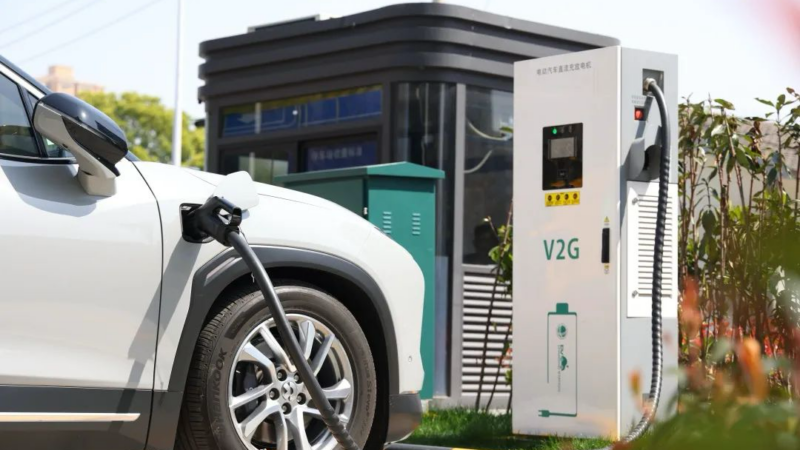
Picture this: May 26, 2025, a Nio EV is chilling at a V2G pilot site, actually discharging power. This site, which popped up in early 2024, boasts six V2G-enabled Nio charging piles. Xiang Chen, Nio’s V2G head honcho, explained that operators are sweetening the deal for owners to discharge their stored energy when electricity prices are at their highest. It’s a win-win, the grid gets a break during peak load, and the office park saves on electricity bills.
Take Xia Yu, a 36-year-old automotive engineer and Nio owner. He’s been riding the V2G wave since late 2022. He charges his EV at home during those cheap off-peak hours, then heads to the office park’s V2G station to discharge during peak times. Xia Yu crunches the numbers and figures he pockets about 500 yuan, 70 USD, monthly, all from playing the price difference. He’s already discharged a whopping 15,610 kWh.
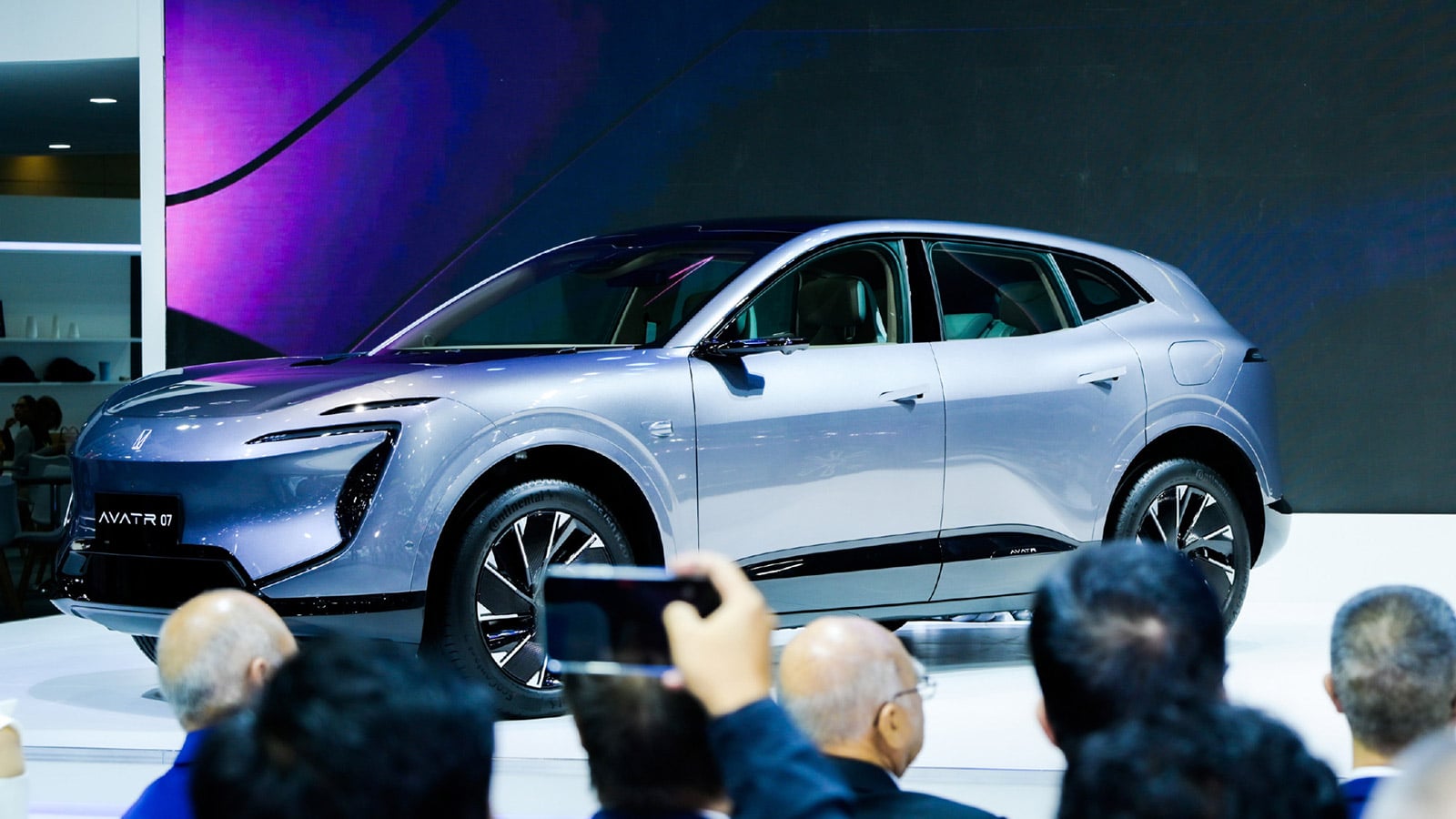
Then there’s Wang Wenjun, a 32-year-old Avatr EV owner, who recently upgraded his home charger to a bidirectional meter. He’s the first in Shanghai to get hooked up to the State Grid’s bidirectional system. On May 14, 2025, his EV sent 0.43 kWh back to the grid for testing. He’s looking forward to V2G further slashing his vehicle’s running costs down the line.
Addressing Battery Life Concerns
While the financial perks are definitely appealing, what really keeps EV owners up at night is how all that charging and discharging might affect battery lifespan. Xia Yu mentioned that while he’s all for V2G, the older crowd finds the whole concept a bit baffling, and many of his buddies are sweating over battery degradation.
Luckily, there are some smart moves being explored to calm those fears:
Battery-as-a-Service, BaaS, and Battery Swapping
Nio’s battery swap model is a game changer. You lease the battery, and it comes with a lifetime warranty, which pretty much wipes out any worries about battery quality or degradation. This makes V2G a much more attractive proposition. Nio has even set up three bidirectional battery swap stations in Shanghai this year. These stations can tweak charging and discharging power directly, and they even give owners reward points for discharging, sweetening the deal even further.
Enhanced Understanding of Battery Technology
Xia Yu, despite loving Nio’s swap model, has thought about what it means for EVs without swappable batteries. He estimates his V2G usage, discharging 15,610 kWh, works out to about 300 battery cycles over five to six years. Wang Wenjun chimed in, highlighting that battery type is key. He says ternary lithium batteries usually last the vehicle’s entire life. A rep from a battery company pointed out that while safety and lifespan are crucial, guaranteeing battery life too much might not be the best approach, as batteries should be used to their full potential. Ternary lithium batteries generally offer 1,100 to 1,500 cycles, while lithium iron phosphate batteries can hit over 3,500 cycles, with the potential for even more life through formula improvements.
Vehicle Replacement Frequency
The way we replace cars these days also helps ease battery life worries. Wang Wenjun noted that cars are often traded in every three to four years now, much like our phones. Mr. Song, an EV owner with two electric vehicles, is all in on V2G and isn’t too bothered about battery life. He figures his three to four-year replacement cycle means it is not a major concern. He did mention that owners who hold onto their cars for 8-10 years are usually the ones more stressed about battery longevity.
From Pilot to Widespread Adoption: A User-Centric Approach
Most folks are still getting their heads around V2G’s reverse discharge function. The EV owners surveyed, many of whom are already tech-savvy in related fields, were much more open to V2G. For instance, Xia Yu, our automotive engineer, already had a background with solar power in the US. Wang Wenjun, a private residence designer, often works with solar installations and has even used his EV to power his rural home temporarily.
To really get V2G rolling, policies need to strike a balance between compensating owners and addressing battery longevity concerns. It is all about using market incentives to get people on board. Down the road, V2G aims to unlock the true potential of EVs as “mobile energy storage.” Xiang Chen is stoked about Shanghai’s future policies, believing they will pave the way for V2G to hit the big time commercially. He sees a world where every charge and discharge contributes to energy value distribution, concluding, “At that point, electric vehicles will likely become a financial product.”