
The first half of 2025 shook up China’s new energy vehicle market. While many startups flexed with impressive year-over-year growth, the cold, hard truth of their sales targets paints a different picture. It turns out, only a select few are truly on track to hit their ambitious goals, with Xpeng leading the charge past the 50% mark. Most others are cruising below 40%, leaving a lot to do in the back half of the year.
Here’s a quick glance at how the key players stack up:
| Brand | H1 Cumulative Sales (Units) | 2025 Sales Target | Target Completion Rate |
|—|—|—|—|
| Xpeng | 197,189 | 380,000 | 51.89% |
| Xiaomi | Over 157,000 | 350,000 | Approx. 44.86% |
| Leapmotor | 221,664 | 500,000-600,000 | 36.94%~44.33% |
| Deepal | 143,000 | 400,000 | 35.75% |
| Li Auto | 203,938 | 640,000 | 31.87% |
| Voyah | 56,128 | 200,000 | 28.06% |
| Avatr | 59,084 | 220,000 | 26.86% |
| Nio | 114,150 | 440,000 | 25.94% |
| HIMA | 204,172 | 1,000,000 | 20.42% |
| IM Motors | 18,430 | 100,000 | 18.43% |
The 200,000-Unit Club: Big Sales, Mixed Fortunes
Xpeng, Leapmotor, Li Auto, and HIMA all blasted past 200,000 units in the first half of the year. This firmly plants them among China’s top NEV sellers. But it’s not all smooth sailing. Their target completion rates vary wildly, mostly because their initial sales goals were set at different altitudes.
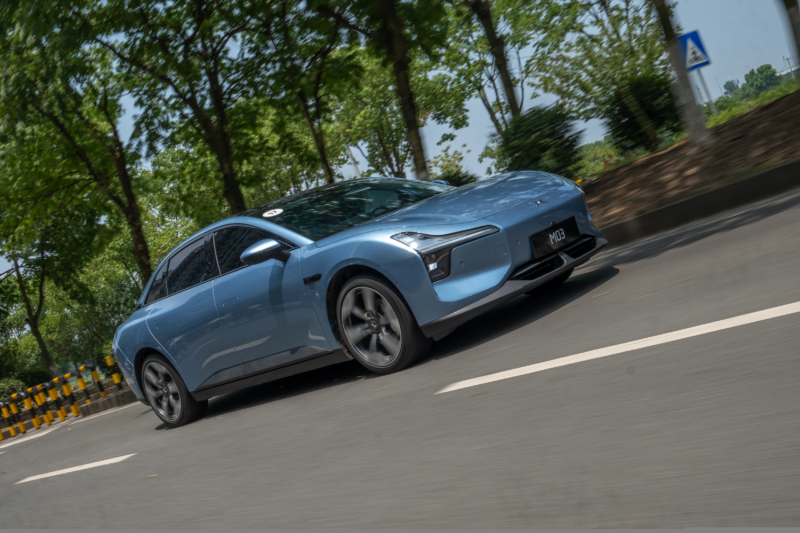
Xpeng is the real standout here, being the only brand to blow past 50% of its annual target, landing at a solid 51.89%. Their 2025 target of 380,000 units, which is 100,000 units above last year’s 280,000, feels surprisingly conservative. Last year, they hit just 190,068 sales, or 67.88% of their goal. With popular rides like the Mona M03 and P7+ driving sales, Xpeng has already outdone its entire 2024 performance in just six months. If this momentum keeps up, we might even see them bump up that annual target. However, these models are sedan-heavy, so cracking the pure electric SUV market with the upcoming G7 will be key for sustained growth.
Leapmotor grabbed the top spot for overall NEV sales in the first half of the year, thanks to its incredibly popular C-series. The brand’s image, built around high-value family cars, is clearly working wonders. Leapmotor plans to drop the B01 pure electric sedan in the second half of the year, going head-to-head with Xpeng’s Mona M03. What’s really interesting is their plan to roll out the D-series next year, aiming for a price point around 300,000 yuan (about 42,000 USD). To lead sales with the D-series, they will need a serious marketing pivot to shake up consumer perceptions.
HIMA’s one-million-unit annual target looks like a mountain to climb. High targets can scream product confidence, but they can also cause a lot of stress. Seres, a major partner, has a more achievable target of 550,000 to 600,000 units, which seems realistic given current Aito sales. HIMA is clearly leaning heavily on Aito, and while their other three partners are steadily growing, the potential of the upcoming SAIC-Huawei brand Shangjie is still a big question mark. To hit that million-unit mark, HIMA needs to sell over 130,000 units each month in the second half, which is a massive jump from their current monthly average of 40,000-50,000 units.
Then there is Xiaomi Auto. Even though they didn’t hit the 200,000-unit mark, they are nearly 50% of their target in the first half, all with just the SU7 and their phase-one factory. That kind of performance surely has competitors looking on with envy. With the newly launched Xiaomi YU7 and their phase-two factory up and running, Xiaomi Auto has a strong shot at hitting its 350,000-unit annual target by the end of the year.
Below 40% Completion: What Went Wrong?
For NEV brands sitting with H1 sales below 200,000 units and target completion rates under 40%, there is a cocktail of reasons. Some set targets that were just too ambitious, while others are grappling with products that just aren’t hitting the mark.
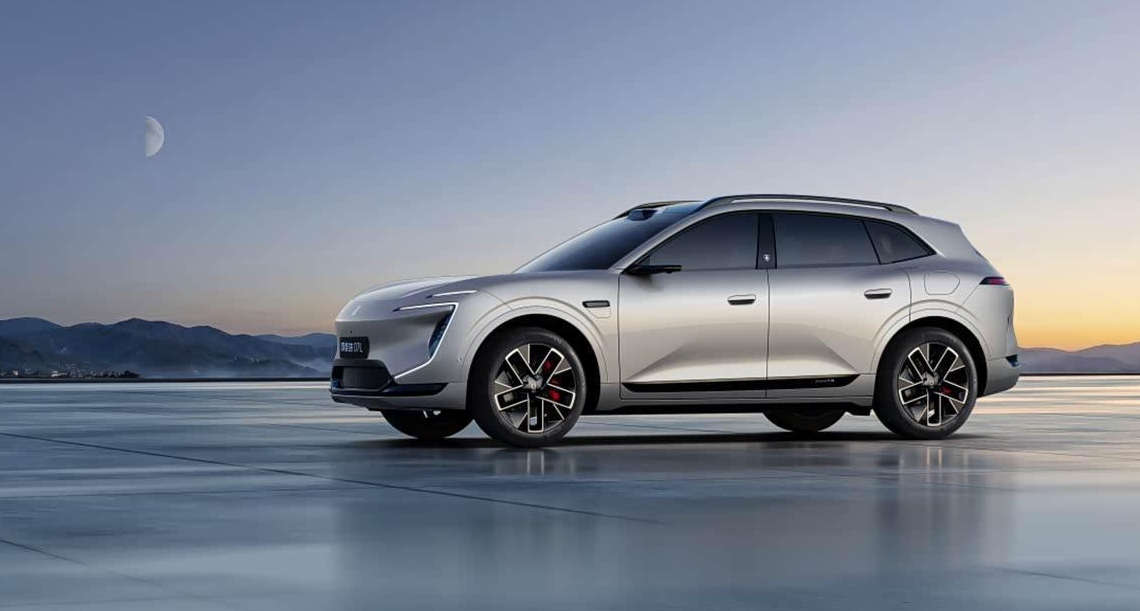
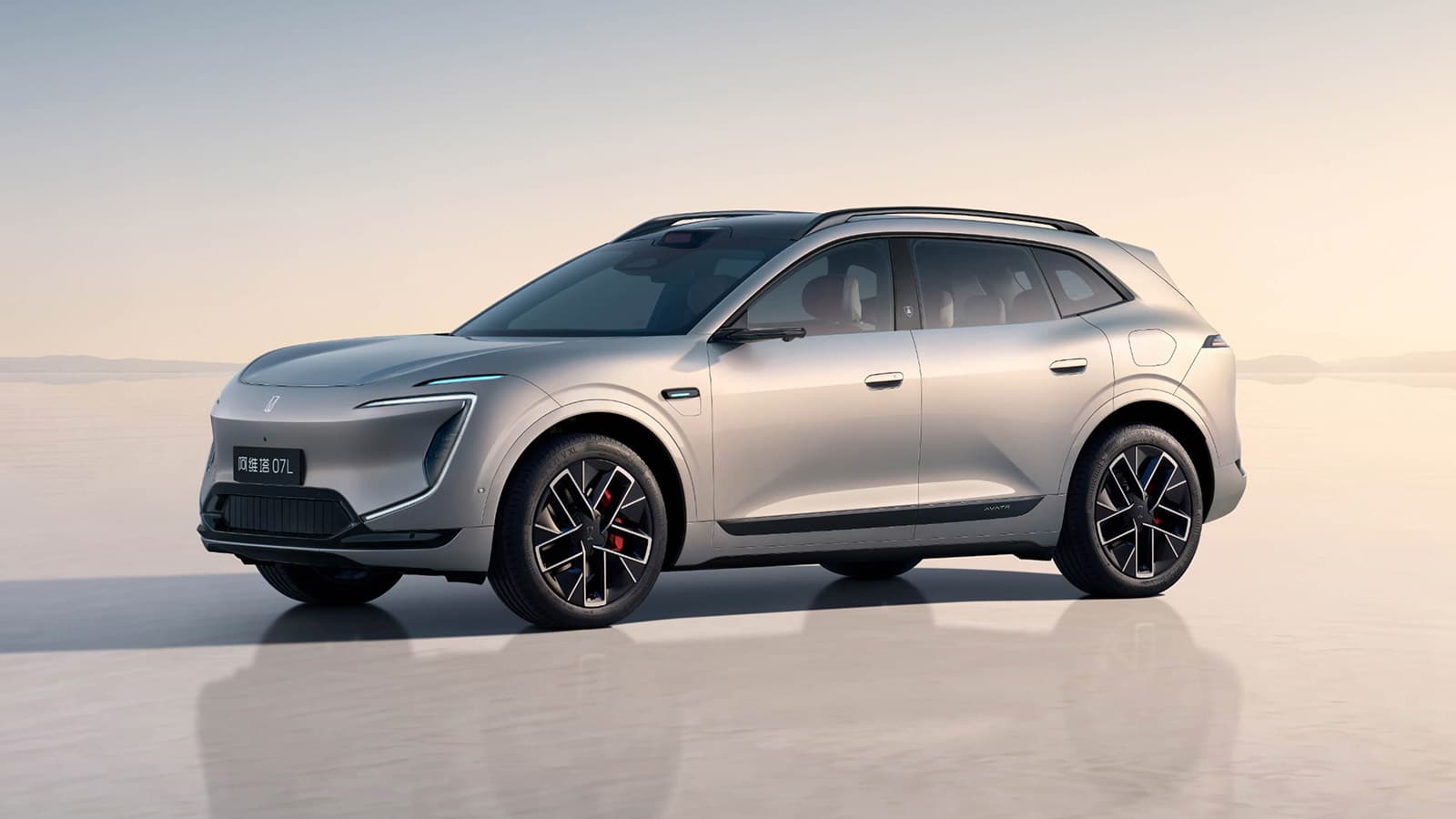
Deepal and Nio both broke the 100,000 unit mark in the first half. Deepal, perhaps a bit too self-assured after an 87.11% completion rate (243,894 units) against a 280,000-unit target last year, aimed for a whopping 400,000 units in 2025. Current sales suggest that only the Deepal S05 and S07 are truly competitive. The L07, SL03 sedans, and the G318 off-road SUV are far from becoming bestsellers. The recently launched Deepal S09, despite its impressive capabilities and 21,168 pre-orders, still has to prove itself in the long run.
Nio’s 440,000-unit target, which is way up from last year’s 230,000, is reportedly critical for them to hit profitability in Q4. While Nio’s H1 sales did see over 30% year-over-year growth, that pace just isn’t enough to catch their lofty target. If Nio had stuck with last year’s 230,000-unit target, their completion rate would have been a more respectable 49.63%. The sub-brand Onvo, with its L60 grabbing third place in the 200,000-300,000 yuan (around 28,000 to 42,000 USD) pure electric SUV segment in May, is meant to drive volume. But it’s wrestling to challenge the Tesla Model Y and doesn’t have a significant lead over other domestic rivals. The larger Onvo L90 has an even tougher sales burden. Onvo’s brand identity is still a work in progress, heavily relying on Nio’s established name.
For Voyah and IM Motors, their sales targets aren’t super high, but their completion rates remain low. This points to challenges in product positioning and brand awareness, holding them back from creating those must-have bestsellers. Yet, Voyah, diving into a deeper collaboration with Huawei, is showing some promising shifts. The Voyah Dreamer has moved nearly 30,000 units in the first five months of the year, drawing in families and business users who want quality mobility, all thanks to Huawei’s tech and Voyah’s inherent strengths.