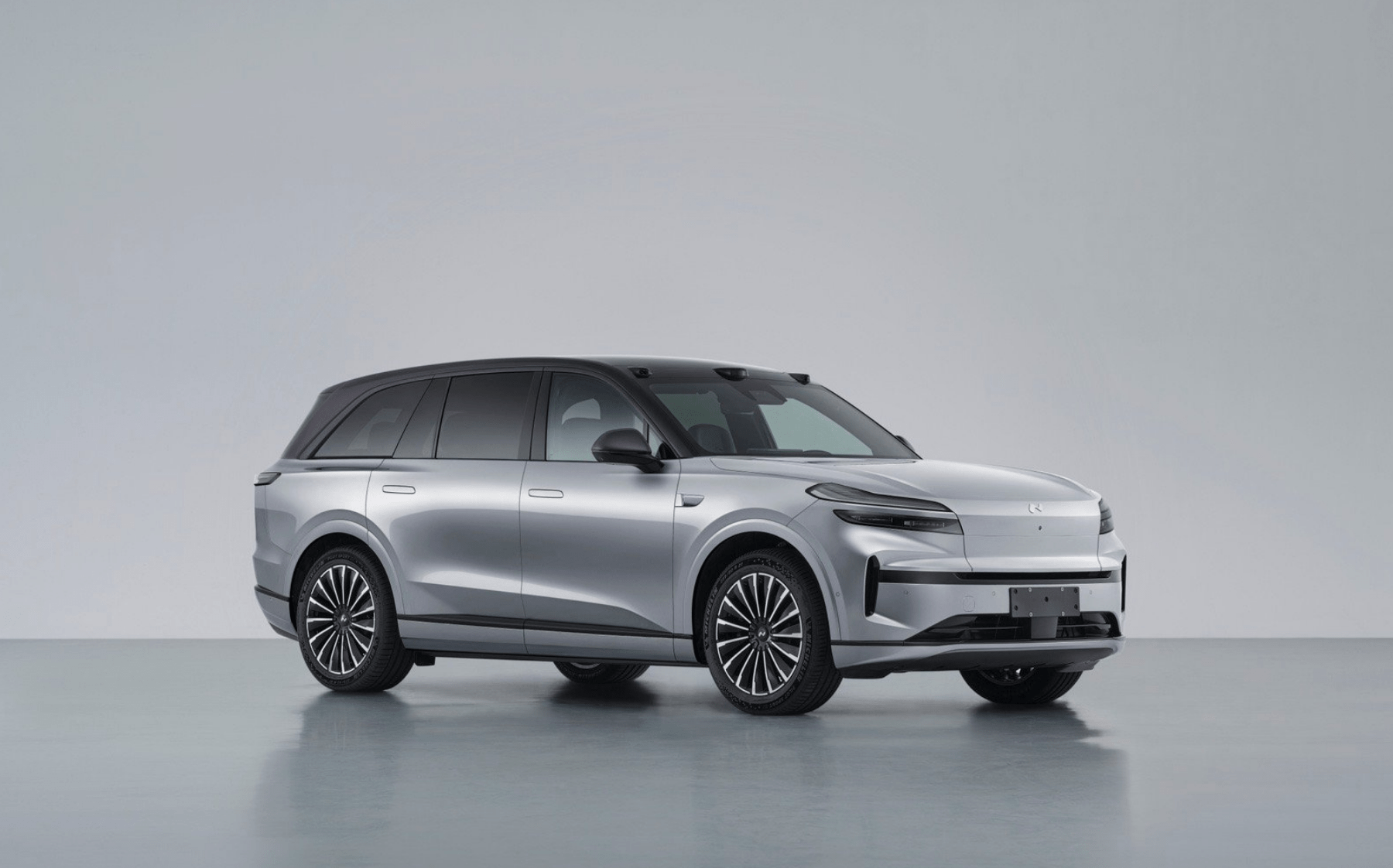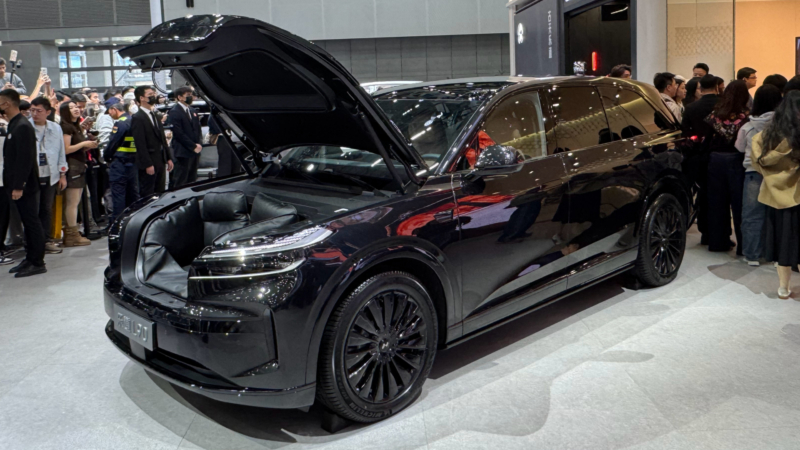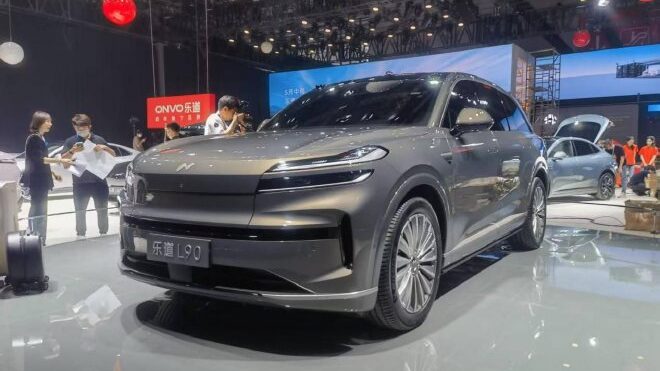

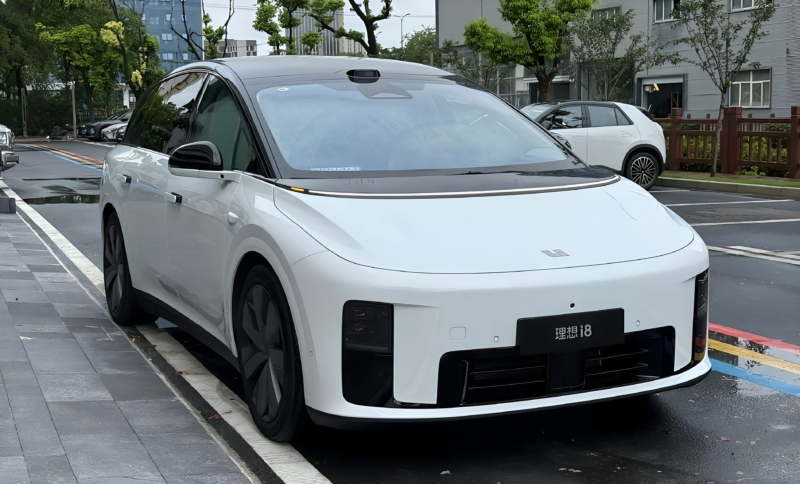
In the fast-paced world of Chinese electric vehicles, competition often spills from showrooms onto social media platforms. A recent online skirmish between high-ranking officials at Nio and Li Auto ignited this week, fueled by accusations that Nio’s sub-brand, Onvo, was orchestrating a smear campaign against the forthcoming Li Auto i8 all-electric SUV. However, the saga took an unexpected turn when the individual behind the initial claims confessed to fabricating the entire story.
The Spark That Ignited the Flame
It all began on July 24 when Liu Jie, Vice President of Li Auto, took to social media. He shared a screenshot implying a potential smear campaign against the highly anticipated six-seat Li Auto i8, which is slated for launch on July 29. Liu’s post raised questions about whether “black PR” tactics were being employed to unfavorably compare the i8 with the Onvo L90. Shen Fei, President of Onvo, shot back with a pointed comment, “I suggest you report it to the police.” This exchange quickly garnered significant online attention, especially after Shen reposted a blog entry that connected the alleged smear content to an internal Li Auto user group.
Chinese automakers have been fighting back against black PR attacks. This type of incident is unfortunately becoming more common in the competitive EV market. On July 26, Onvo’s Shen publicly addressed Liu on Weibo, stating, “It has been verified that the origin of the claim did not come from Onvo. Since the facts are clear, I suggest Liu Jie openly apologize to Onvo and Nio users to clear the misunderstanding and demonstrate leadership.”
The Fabricated Test Drive That Caused a Stir
The heart of the controversy was a widely circulated user comment claiming to have test-driven both the Li Auto i8 and the Onvo L90. The post painted an unflattering picture of the i8, asserting it “rocked like a boat,” while showering praise on the L90’s stability, interior volume, and comfortable seating. It even went as far as to criticize the i8’s assisted driving system, alleging it almost led to a traffic incident. However, the author retracted their post on July 26, clarifying the whole story.
In a statement aptly titled “Clarification”, the individual admitted that the entire test drive narrative was a fabrication. They explained their motivation stemmed from curiosity, wanting to see if “internet water armies” were actively engaging in malicious comparisons between the two models. “My original intention was to bait reactions and delete the post afterwards,” the author wrote. “I didn’t expect the situation to escalate and fuel conflict between both brands’ executives and fans.” The author, who openly identified as an owner of both a Nio ET7 and a Li Auto L9, expressed admiration for both companies and vehemently denied being a “double agent” or intentionally stirring up controversy for personal gain. They emphasized that the post was purely personal and not affiliated with any external party or company, stating, “There was no gain, no attempt to profit, and no hype involved.”
A Critical Juncture for Both Brands
This public spat unfolds at a crucial time for both Chinese EV manufacturers. The Li Auto i8, a large electric SUV, carries a price tag between 350,000 and 400,000 yuan (approximately 48,200 to 55,000 USD). It is currently available for pre-orders, with an official launch scheduled for July 29. Meanwhile, the Onvo L90, which commenced presales on July 10, starts at 279,900 yuan (around 38,500 USD) for the full-purchase option and 193,900 yuan (roughly 26,700 USD) with battery leasing, with deliveries anticipated to begin on August 1.