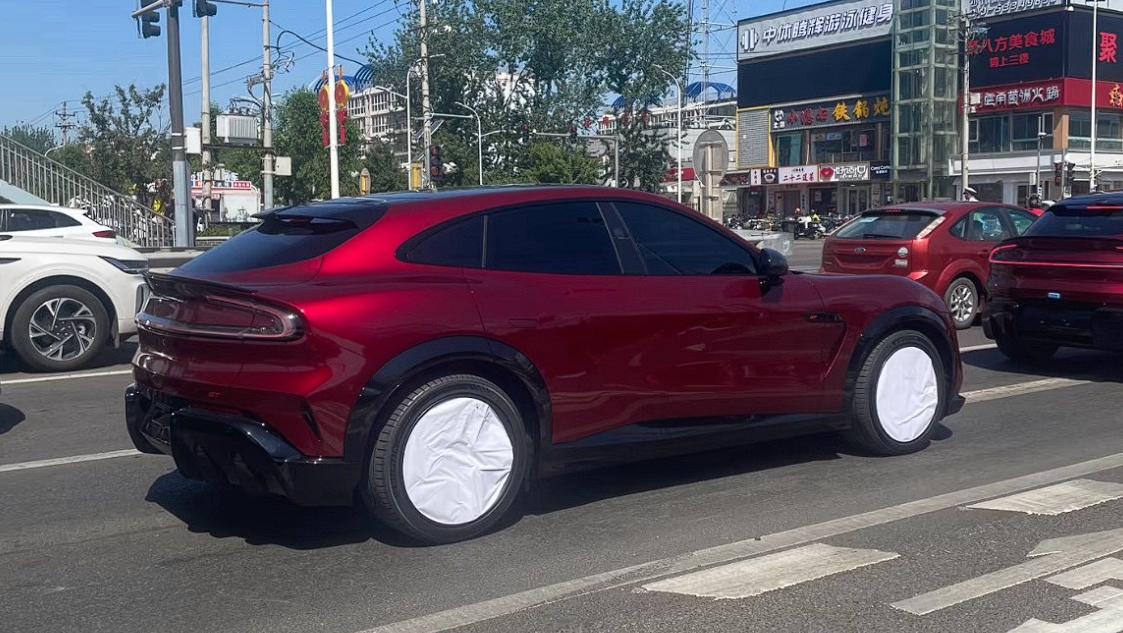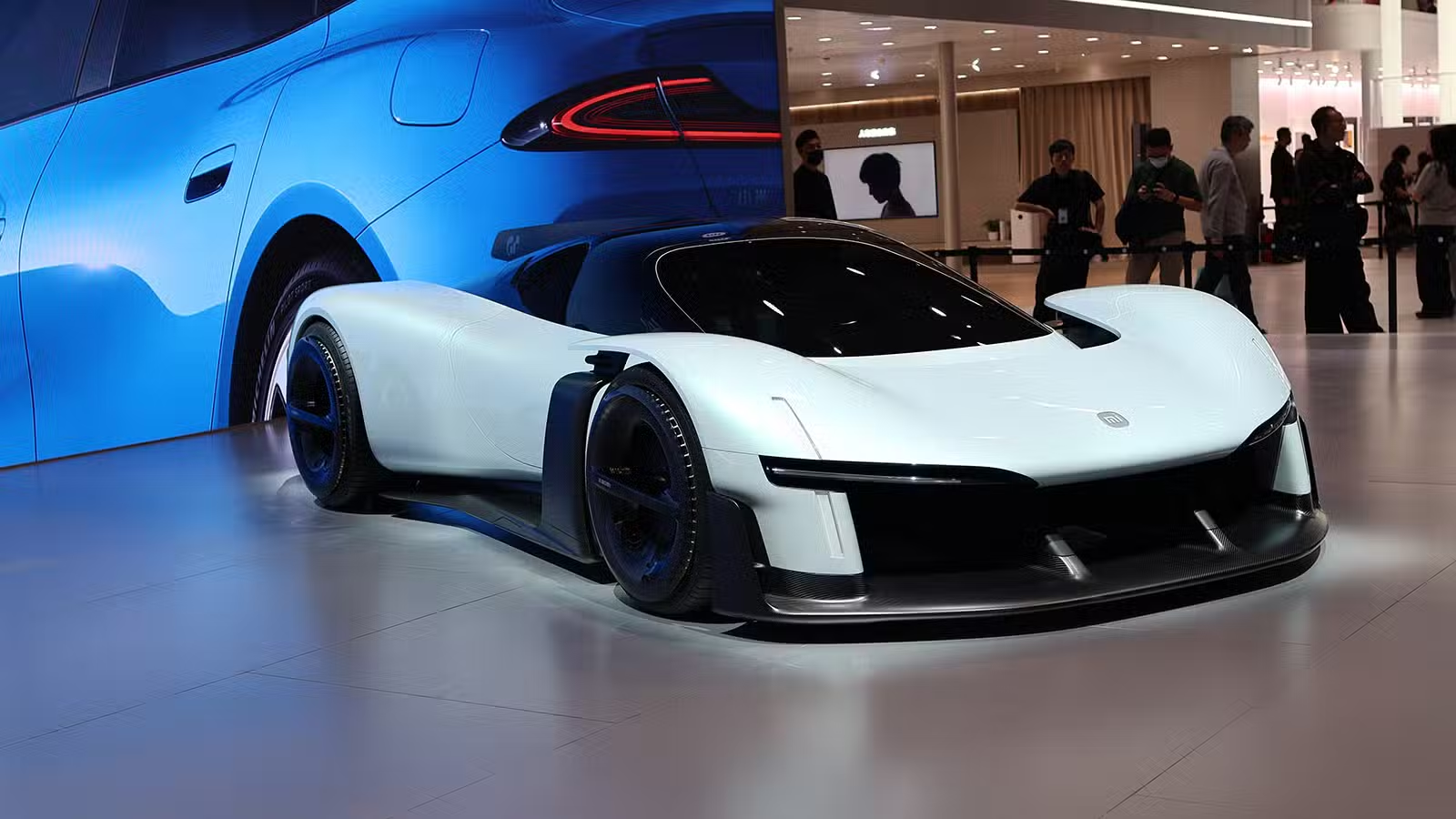

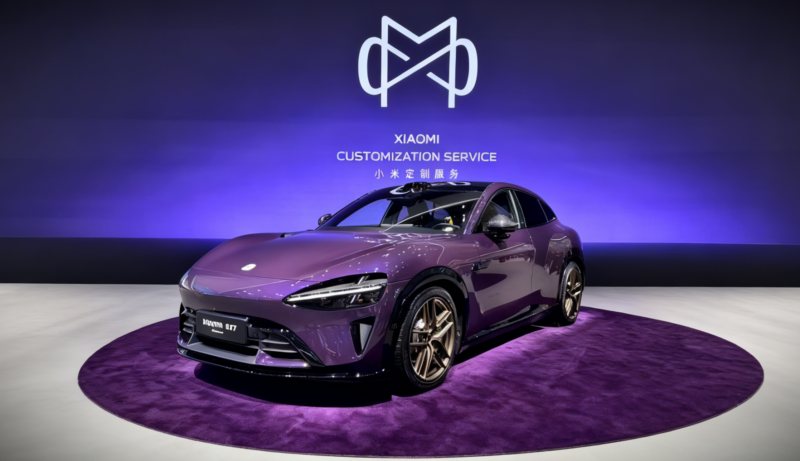
Xiaomi’s YU7 Max SUV is turning heads, not just with its fresh “Crystal Purple” custom paint job, but also with its impressive sales figures. Unveiled at the 2025 Guangzhou Auto Show, this custom edition marks Xiaomi’s commitment to offering a bespoke vehicle-paint service, planning 100 unique colors over three years. These special paint variants, starting from 11,000 yuan (around 1,540 USD), feature premium finishes and advanced techniques, letting buyers personalize their ride with custom alloy wheels, colored Brembo brake calipers, and exclusive emblems in materials like 24-K gold, ceramic, or gold carbon fiber. You may have seen the McLaren P47 vs Xiaomi YU7 comparison, highlighting the YU7’s unique position in the market.
Performance and Power that Impress
Underneath that stunning exterior, the YU7 Max is a serious contender. It comes in both two-wheel drive (2WD) and four-wheel drive (4WD) versions, all built on an advanced 800V silicon-carbide high-voltage architecture. The 2WD model, powered by a single 235 kW motor delivering 528 N·m of torque, sprints from 0-100 km/h in a respectable 5.88 seconds. It packs a 96.3 kWh lithium-iron-phosphate (LFP) battery, offering a CLTC-rated range of 835 km. For those who crave more punch, the 4WD dual-motor variants offer 365 kW and 690 N·m, hitting 100 km/h in a swift 4.27 seconds with the same 96.3 kWh LFP battery, giving you 770 km of range. If you want top-tier performance, there’s a 508 kW and 866 N·m version that demolishes 0-100 km/h in just 3.23 seconds, coupled with a 101.7 kWh ternary-lithium battery for a 760 km range. These 4WD models also get a closed dual-chamber air suspension with five height settings, boasting a maximum ground clearance of 222 mm. Plus, upper-tier models support a rapid 5.2C charge rate, meaning you can go from 10% to 80% in a mere 12 minutes, adding up to 620 km of energy in just 15 minutes. This kind of rapid charging is becoming more common as China’s EV charging network expands.
Enhanced Safety for Peace of Mind
Beyond the dazzling colors and raw power, Xiaomi’s also stepping up its safety game. They’ve rolled out an enhanced version of their driver-assist system, Xiaomi HAD Enhanced, and crucial upgrades to its safety assistance features. These updates are hitting all models via an over-the-air (OTA) update under Xiaomi HyperOS 1.11. A big highlight is the new low-speed forward and reverse automatic emergency braking (LAEB/RAEB). This system works between 1-10 km/h forward and 1-30 km/h in reverse, actively detecting pedestrians, vehicles, or two-wheelers. If it senses a potential collision and the driver doesn’t react, it automatically intervenes. This expands the system’s overall AEB speed coverage from the previous 5–135 km/h to a comprehensive 1–135 km/h forward and 1–30 km/h reverse. It’s also smart enough to recognize stationary objects like walls, pillars, and crash barriers. And for those moments when you accidentally hit the accelerator instead of the brake while backing into a spot, Xiaomi’s MAI (Mis-Acceleration Inhibition) system works with RAEB to cut power and apply the brakes. It’s clear that Xiaomi is heavily invested in next-gen safety technology.
At higher speeds, from 80-135 km/h, the system can engage emergency steering assistance (AES). This is a game-changer if braking alone won’t prevent a serious collision and the car determines a lateral evasion is possible. AES can perform up to two evasive maneuvers and works seamlessly with AEB to handle tricky situations involving pedestrians, two-wheelers, oncoming traffic, and even lateral intrusions. The system is smart, always prioritizing braking when it’s enough, and only resorting to steering evasions when absolutely necessary. Crucially, the driver remains in control, with their intentional actions always overriding system inputs.
Outselling the Competition
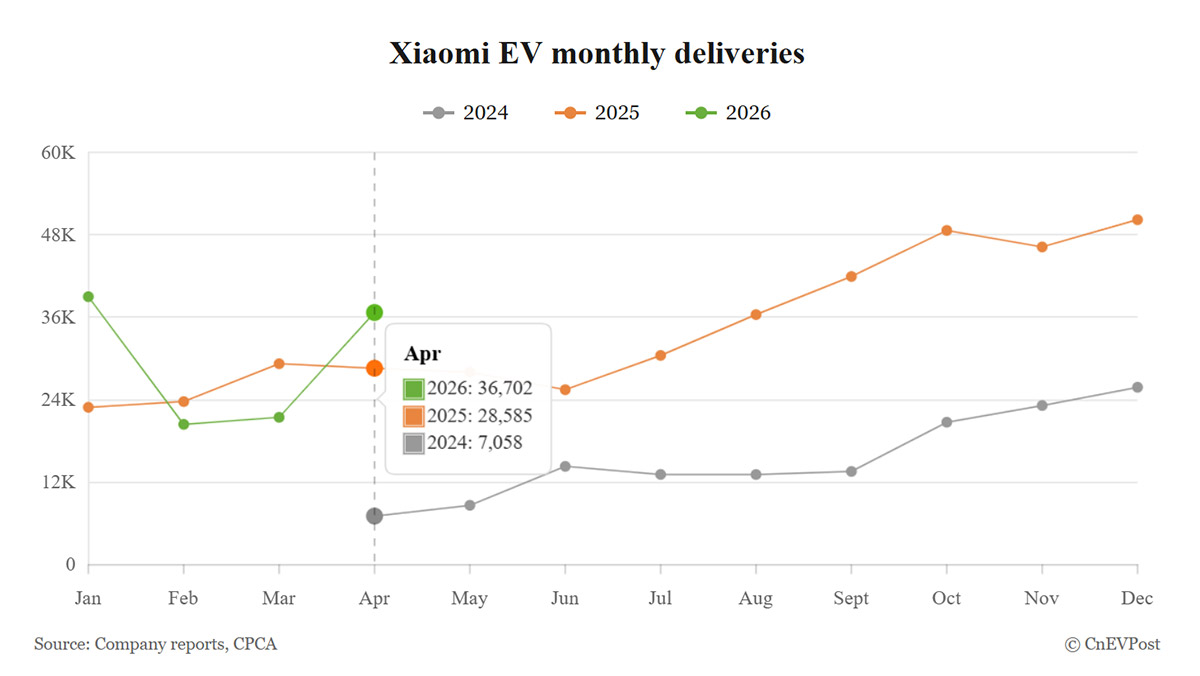
Now, for the really exciting part. According to October 2025 data from the China Passenger Car Association (CPCA), Xiaomi recorded 48,654 retail sales of new-energy passenger vehicles. The YU7 alone contributed a massive 33,662 wholesale units. This isn’t just a number, it’s a statement. Independent analysis from ECC Intelligence Bureau reveals that this figure actually surpassed the domestic deliveries of the Tesla Model Y for the month, once you factor in Tesla’s export volumes. Xiaomi has been on a roll, reporting monthly deliveries consistently above 40,000 units in October. CPCA figures show that cumulative YU7 deliveries have already topped 70,000 units since it started shipping in July. In China’s booming passenger vehicle market, which saw around 2.24 million units sold in October, Xiaomi has firmly positioned itself among the country’s leading new-energy vehicle manufacturers. The YU7 clearly stands out as one of the highest-volume pure electric mid-size SUVs. This kind of competitive success highlights the rapid shifts in the Chinese EV landscape, where new players like Xiaomi are quickly gaining ground against established brands like Tesla. It’s a dynamic and exciting time in the automotive world, and Xiaomi is right at the forefront of it all.