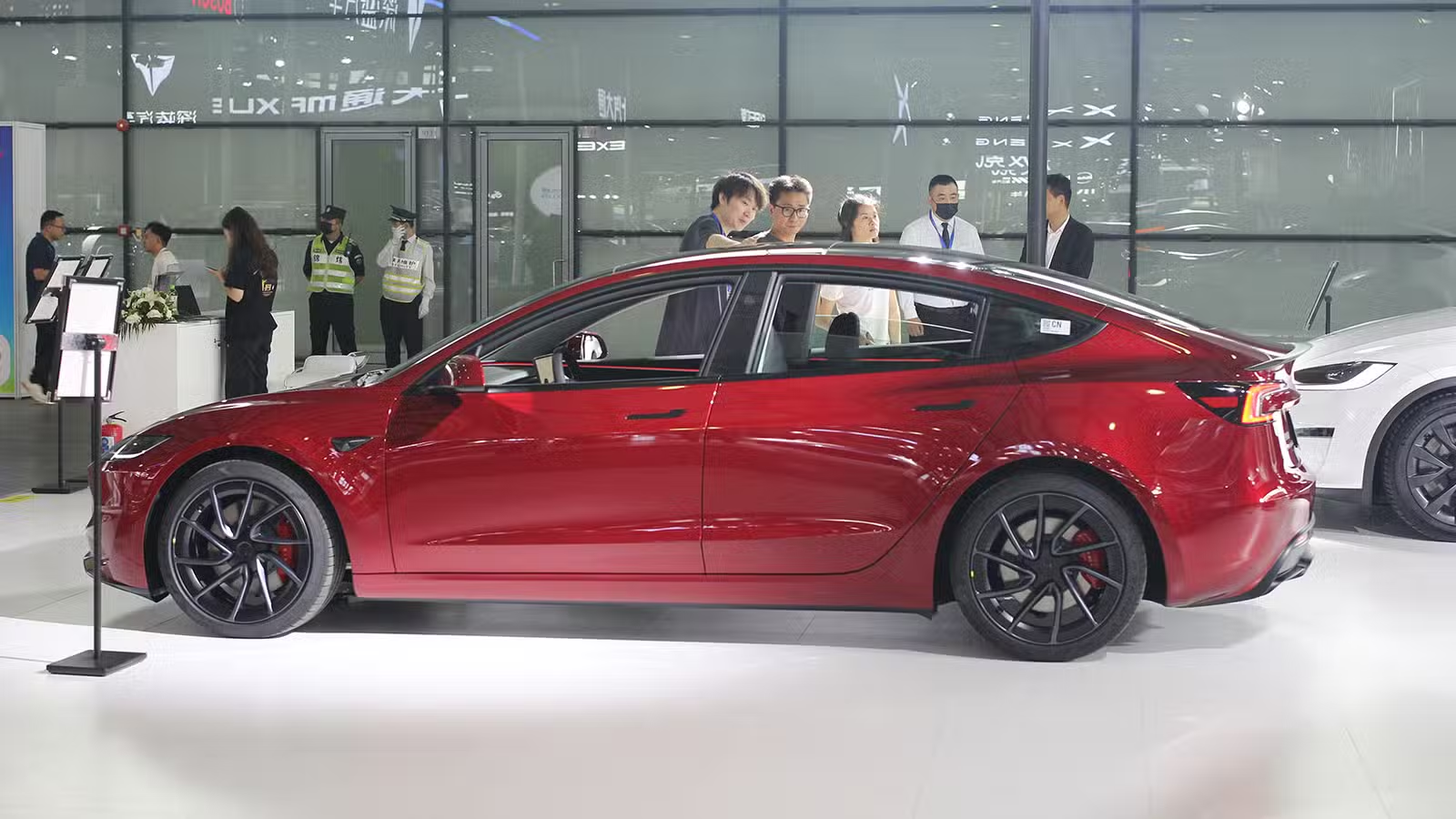

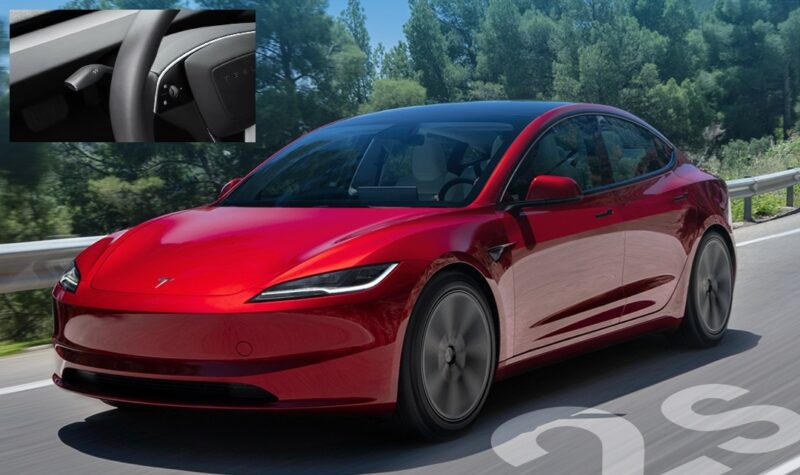
Remember when Tesla removed the turn signal stalk from the Model 3, swapping it for steering wheel buttons? Well, in a move that signals they listen to driver feedback, the traditional stalk is making a comeback in China. For those who already own the updated Model 3, Tesla is even offering a retrofit option to bring back that familiar feel.
All new Tesla Model 3 variants in China, including the RWD, Long-Range RWD, Long-Range AWD, and Performance AWD, will now come standard with the turn signal stalk. This is a direct reversal of a controversial design change that debuted with the facelifted Model 3 in September 2023. At that time, many drivers found the button-based controls for turn signals, gear selection, and even windshield wipers a bit inconvenient and counterintuitive.
For current owners who miss the stalk, Tesla China is rolling out a retrofit package through its mobile app. You can get yours for 2,499 yuan (about 350 USD) starting mid-September. Initially, this upgrade will be for Model 3 units produced after February 7, 2025, with plans to extend availability to earlier builds soon.
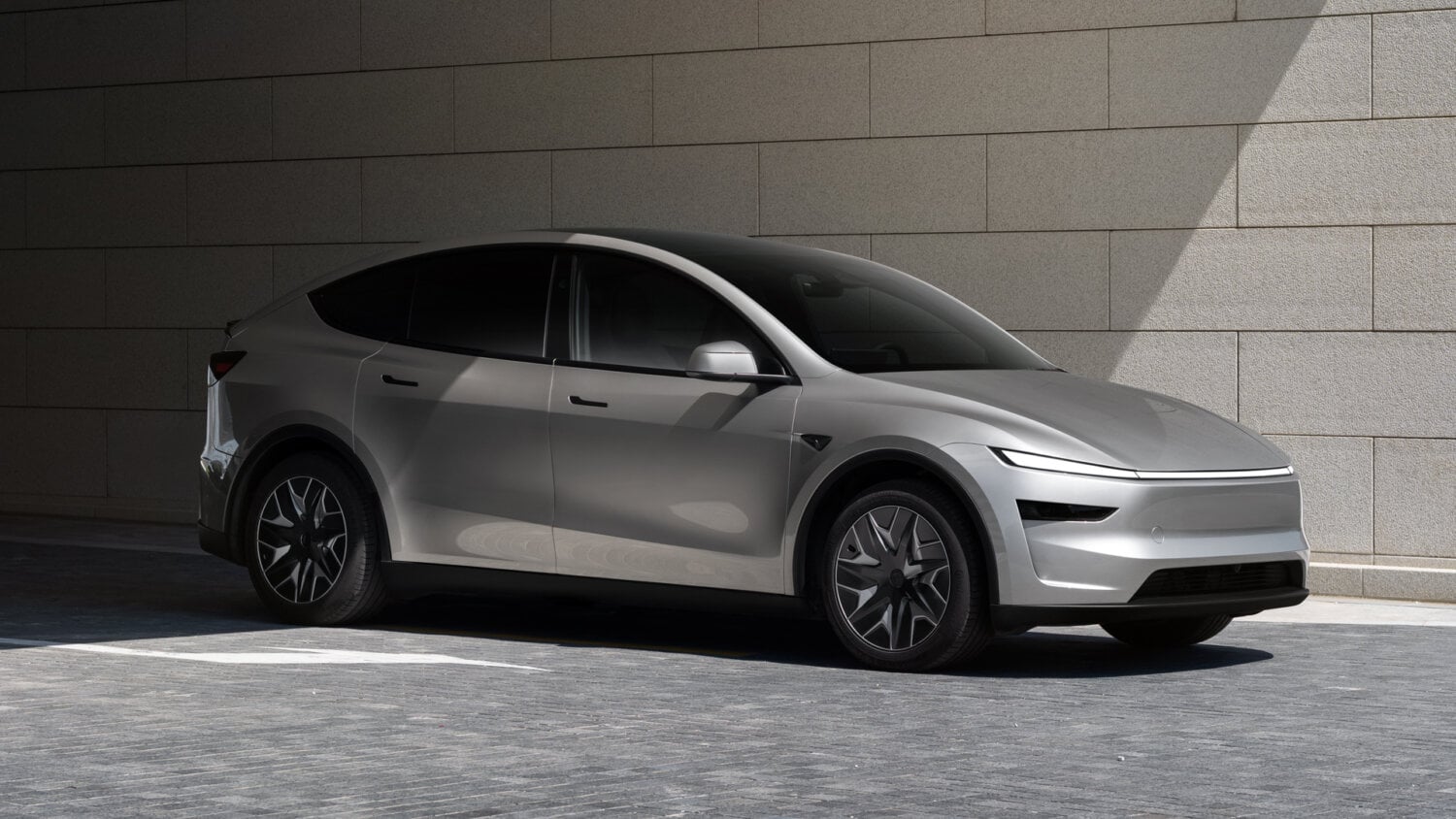
Interestingly, when Tesla launched the refreshed Model Y in China earlier this year, it kept the turn signal stalk, though the gear selection remained touchscreen-based. This suggests Tesla has been paying close attention to what drivers prefer.
Performance and Sales Snapshot
Tesla’s Shanghai Gigafactory is a powerhouse, producing both the Model 3 and Model Y for domestic consumption and export. A recent addition to the lineup is the Model 3 Long-range RWD, boasting an impressive 830 km range under CLTC conditions, which translates to roughly 584 km or 536 miles EPA.
Looking at sales figures for July, the Model 3 saw 9,851 retail units sold in China. While this was a slight dip of 0.8% year-on-year and 40.8% from June, its cumulative sales for the first seven months of the year reached 101,770 units, marking a healthy 26.5% year-on-year increase. The Model Y, meanwhile, recorded 30,766 retail sales in July, down 15.2% year-on-year and 31.4% month-on-month. Its year-to-date sales landed at 202,257 units, a 17.2% decrease from the previous year.
Overall, Tesla sold 40,617 cars in China in July, a 33.9% drop from June and 12% year-over-year. For the first seven months of 2025, Tesla sold 304,027 vehicles in China, a 6.3% decrease compared to the same period last year. Tesla also recently launched the Model Y L, a larger, six-seater version of the Model Y, starting at 47,120 USD. This new offering aims to capture a segment of the market seeking more space and versatility in their EVs.
China’s EV market is incredibly dynamic, with manufacturers constantly refining their offerings based on consumer demand and rapidly evolving technology. The competition is fierce, and companies like Tesla are adjusting their strategies to stay ahead. For instance, brands like Xpeng and Leapmotor are pushing boundaries, and even traditional automakers like Volkswagen are tapping into Chinese EV tech for future models. With constant innovation and strong competition, it’s clear the future of electric vehicles in China will continue to be exciting and fast-paced.