
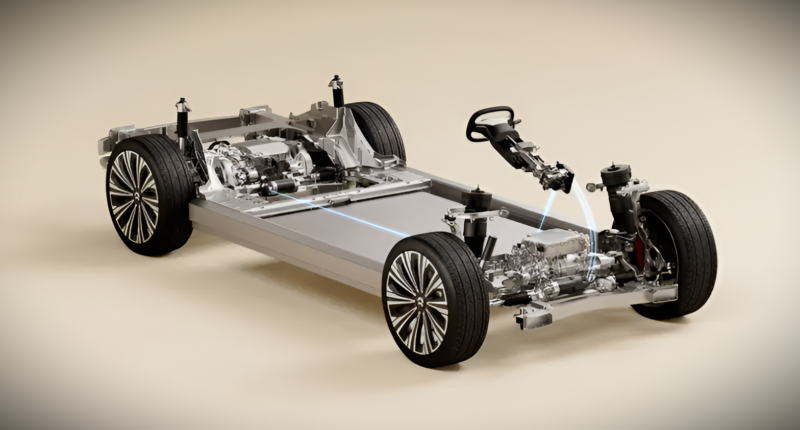
China is making a bold move in the automotive world, tossing aside the old rulebook that insisted on mechanical steering linkages. A new national standard, kicking in July 1, 2026, fully embraces steer-by-wire technology. This isn’t just a minor tweak, it’s a fundamental shift that opens up a world of possibilities for how our cars will handle and feel.
The Green Light for Disruptive Tech
The updated standard dives deep into the safety and functional requirements for electronic and electric power-assisted steering systems. This means automakers can now fully commit to innovative steering solutions. This change is monumental especially for the burgeoning EV market in China, known for its rapid advancements.
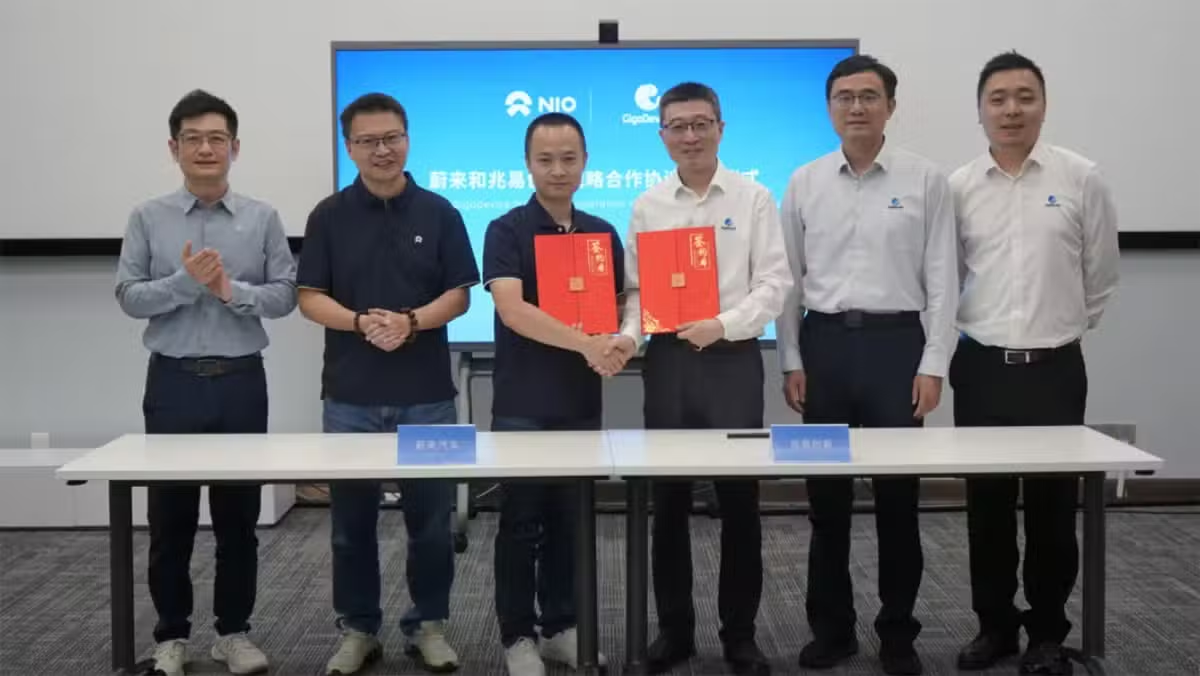
Developing this standard was a true team effort, bringing together a diverse group of Chinese automakers and tech giants like Nio, BAIC, Xpeng, BYD, Geely, Xiaomi, and Huawei. Even joint ventures, such as Toyota’s China smart EV center and Mercedes-Benz China, were in on it. This broad participation highlights the standard’s wide-reaching impact across various vehicle types and steering designs, both domestic and imported.
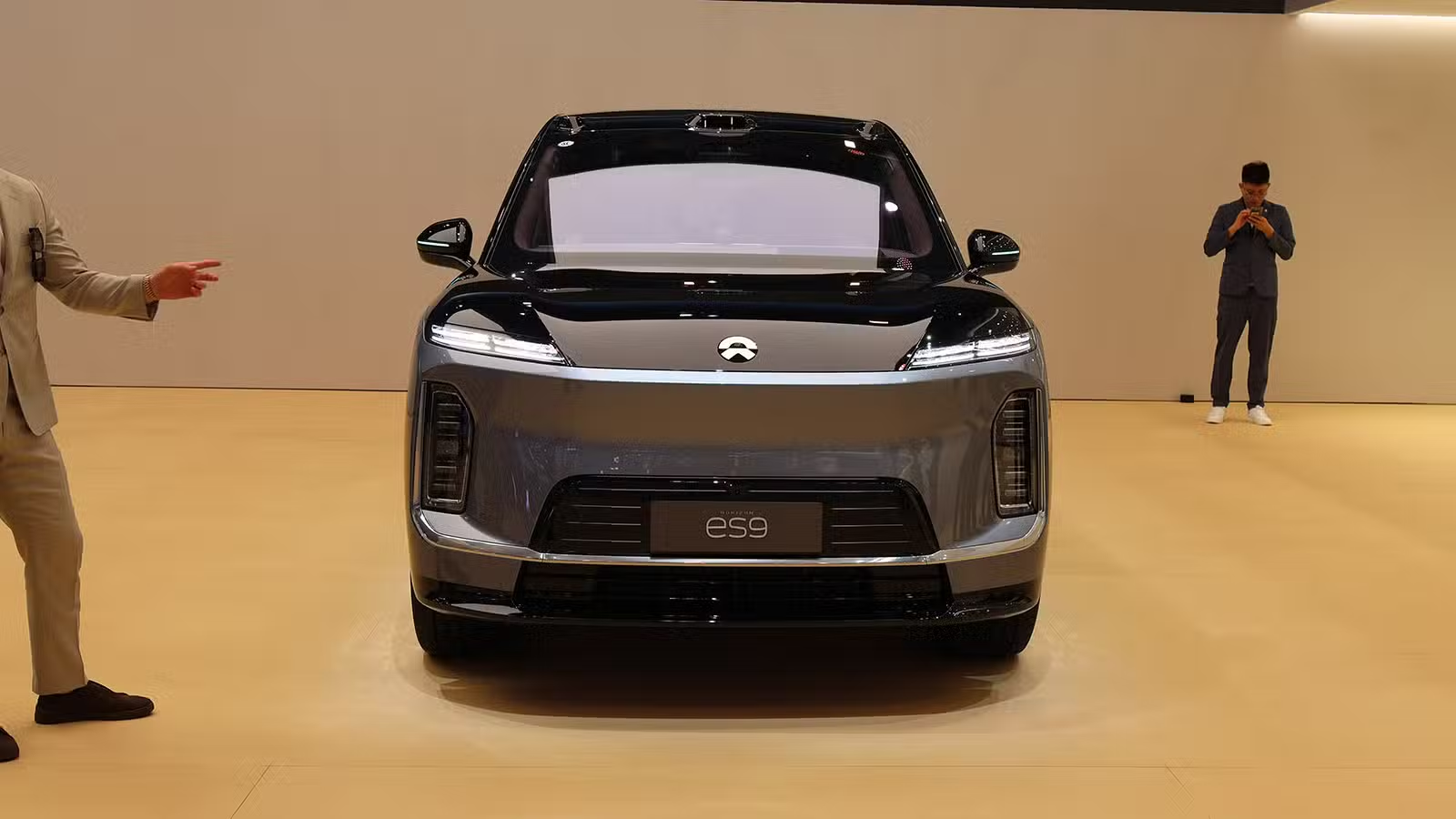
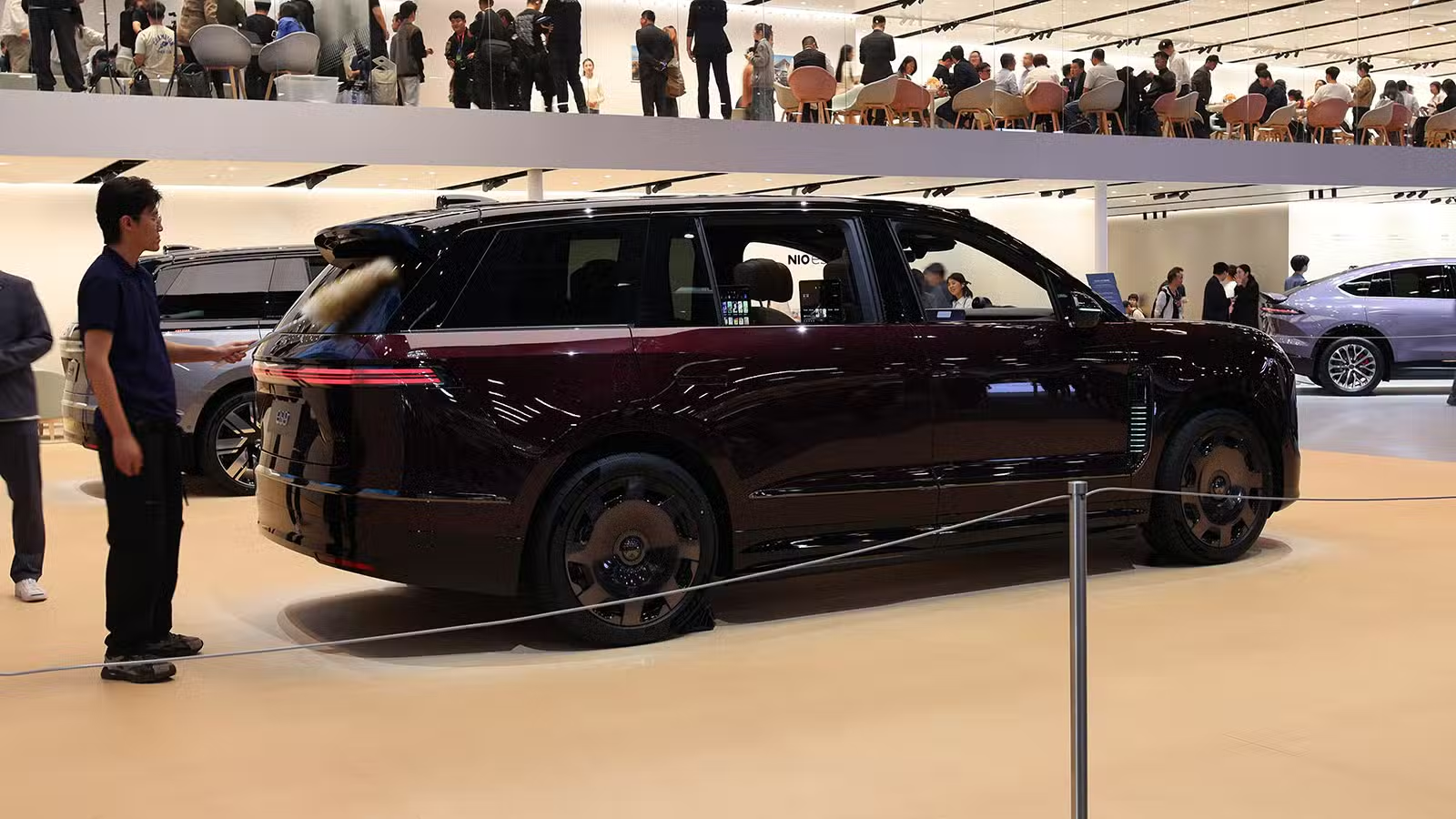
Steer-by-wire isn’t brand new to the scene, you can find it in vehicles like the Infiniti Q50, IM L6, Nio ET9, and the Tesla Cybertruck. The Infiniti Q50, for example, uses a redundant mechanical connection as a backup. But the Nio ET9 stands out as the first mass-produced model in China to go all in, deploying full steer-by-wire without any mechanical backup. This new standard lays down clear safety and functional guidelines for traditional and fully electronic steering systems, ensuring everything stays safe as technology evolves.
Safety First, Always
The standard places a huge emphasis on functional safety, perfectly aligning with the latest UN R79 amendments. Electronic steering systems must now comply with ISO 26262 safety levels. This means robust system redundancy and clearly defined performance expectations even when things go wrong, like power supply hiccups, control transmission issues, or energy management glitches.
For those cutting-edge, fully electronic steering systems, the alarm requirements are thorough. They address everything from battery aging and performance issues to real-time monitoring of energy management. Keeping an eye on these details ensures reliability and peace of mind for drivers.
Further revisions in the standard clarify test procedures for steering system failures and set precise measurement requirements for steering effort during faults. They also establish functional safety validation protocols, making sure every system is rigorously tested. Manufacturers need to submit detailed documentation to prove the safety of their electronic steering systems. This documentation is then reviewed and undergoes random verification testing, maintaining a high bar for safety.
Driving Towards an Electric Future
This regulatory update provides a solid framework for vehicles featuring electronic steering technologies. By ditching the old mechanical linkage mandates and introducing stringent functional and safety requirements, China is actively supporting the development, testing, and deployment of advanced electronic and electric power-assisted steering systems. This applies to both vehicles made in China and those imported, signaling a clear path forward for automotive innovation in one of the world’s most dynamic EV markets. China’s leadership in this area continues to shape the future of driving, pushing boundaries and enhancing the driving experience for everyone.