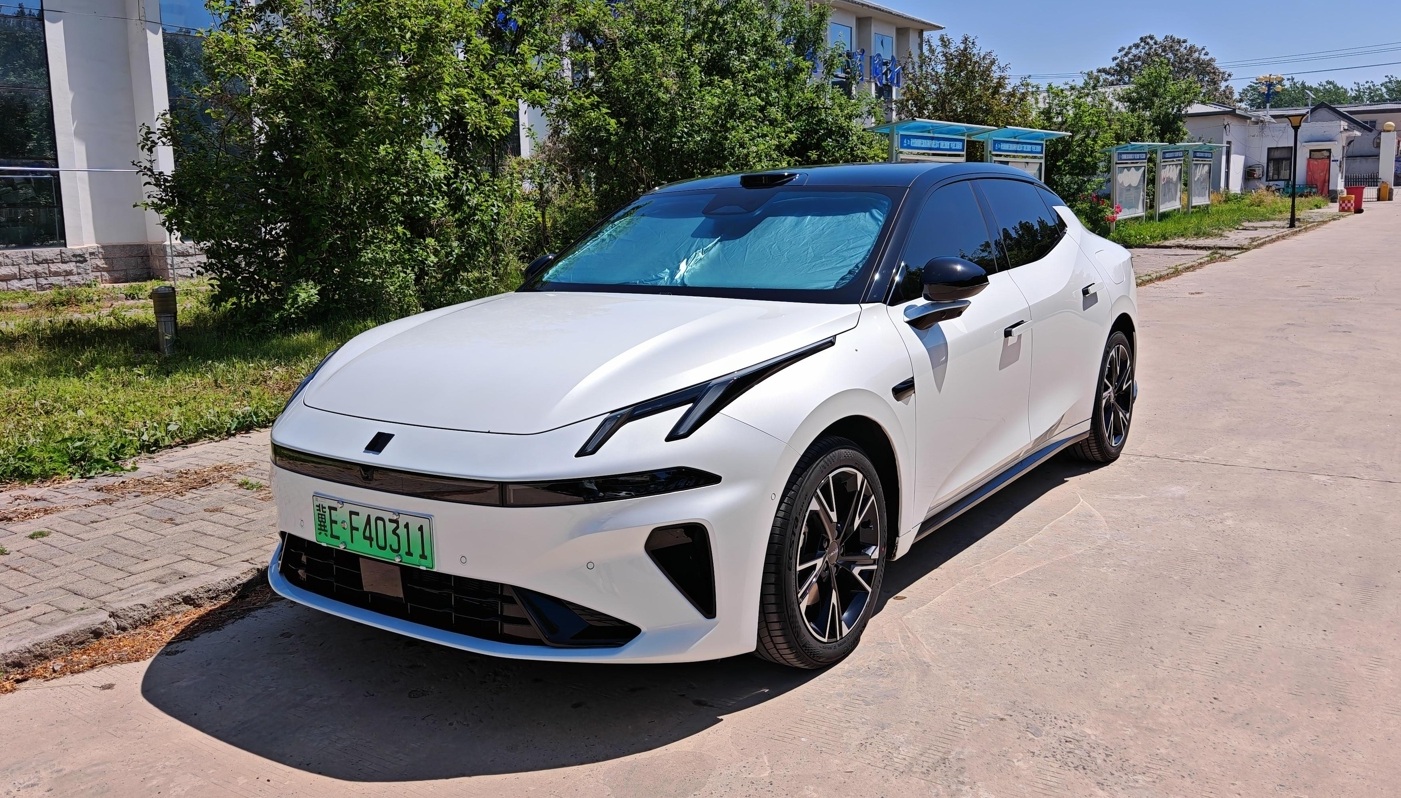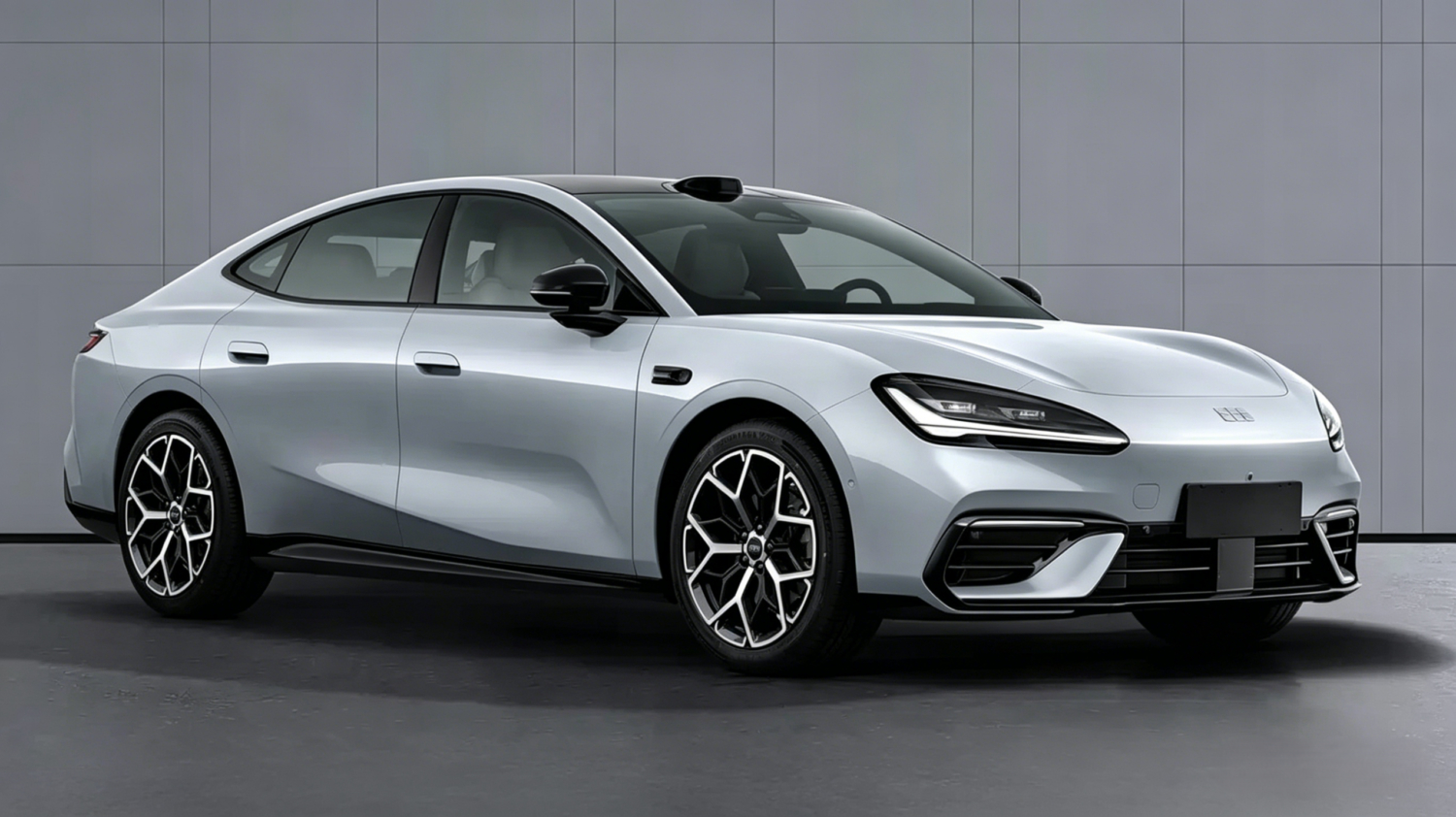

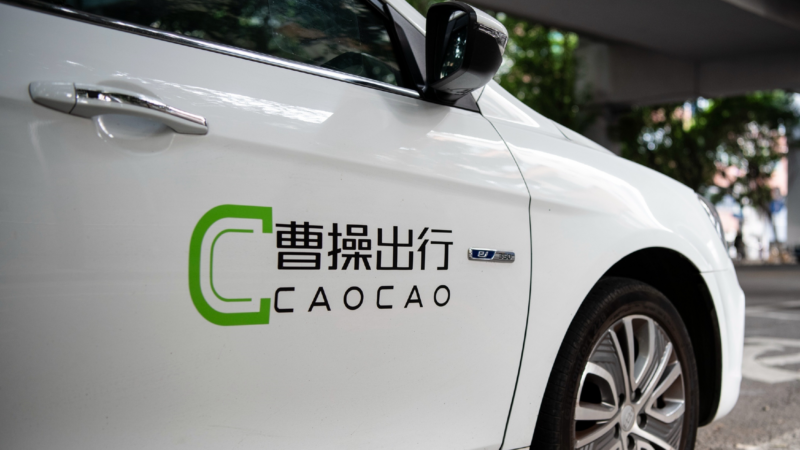
Geely’s ride-hailing arm, Caocao Mobility, is revving up for a global takeover of the robotaxi world. They’ve just pulled back the curtain on a bold “Ten Years, Hundred Cities, Hundred Billion” strategy, alongside the unveiling of the world’s very first multi-functional “Green Smart Transit Hub.” This isn’t just about moving people, it’s about redefining urban mobility as we know it.
A Decade of Driverless Domination
Gong Xin, the visionary CEO of Caocao Mobility, laid out the roadmap: five global operation centers within the next decade, a massive expansion into 100 cities worldwide, and a staggering cumulative Gross Transaction Value (GTV) target of 100 billion yuan, which is about 14 billion US dollars. Talk about putting your pedal to the metal.
The Green Smart Transit Hub: A Pit Stop for the Future
Imagine a central nervous system for autonomous vehicles, and you’re close to picturing the Green Smart Transit Hub. This facility is a marvel of efficiency, designed to keep robotaxis running seamlessly. It handles everything from automatic battery swapping, a crucial element for extending an EV’s operational range, to automatic cleaning, interior tidying, intelligent dispatch, and even automated payment processing.
But Caocao Mobility isn’t just thinking about today. They’ve future-proofed this hub with dedicated landing pads and charging interfaces for eVTOLs, electric vertical take-off and landing aircraft. This foresight truly lays the groundwork for a comprehensive multimodal urban transport system, hinting at a future where our commutes are straight out of a sci-fi movie.
The Road to Full Autonomy: A Three-Step Journey
The company’s robotaxi journey is a calculated three-step process. They started with rigorous technology verification and small-scale test operations, gathering crucial data and refining their autonomous systems. We’re now in a pivotal transition phase, moving from vehicles with safety drivers to fully driverless operations. It’s a fascinating progression, and they’re also exploring a hybrid model, blending human-driven cars with autonomous ones to maximize efficiency and adoption.
Other major players in China’s automotive landscape are also making big moves in ride-hailing. Giants like FAW, Dongfeng, and Changan have teamed up for T3 Mobility, while SAIC has SAIC Mobility, and GAC boasts Ruqi Mobility. The competition is fierce, and innovation is booming across the board.
Caocao Mobility: A Force in the EV Ecosystem
Established by Geely Holding Group in 2015, Caocao Mobility has carved out a significant niche as a “new energy vehicle sharing ecosystem.” Last year, their ride-hailing platform generated a hefty 16.9 billion yuan, or 2.37 billion US dollars, in GTV. This impressive figure secured them a 5.4% market share in the shared mobility sector, placing them solidly in second place, trailing only the behemoth Didi.
Geely as a whole has been making headlines, with rapid advancements not just in ride-hailing but across its diverse portfolio. For instance, brands like Zeekr are pushing boundaries with advanced EV architecture, showcasing Geely’s commitment to electric innovation. Caocao Mobility’s strategic moves are part of this larger push by Chinese automotive giants to dominate the future of transport.
In a strong testament to its growth and market confidence, Caocao Mobility recently joined the ranks of publicly traded companies, listing on the Hong Kong Stock Exchange on June 25. This makes it the 10th company within the larger Geely group to go public, further solidifying Geely’s presence on the global stage. This move gives them even more leverage to fund their ambitious robotaxi plans, which include exploring cutting-edge technology like those seen in eVTOL advancements by companies like XPeng AeroHT as they look to build out future urban mobility solutions.
The journey for Caocao Mobility isn’t just about transporting people, it’s about paving the way for an autonomous future. With cutting-edge hubs and a clear, focused strategy, they’re not just participating in the robotaxi revolution, they’re leading a significant part of it, especially in the rapidly evolving Chinese EV market.