
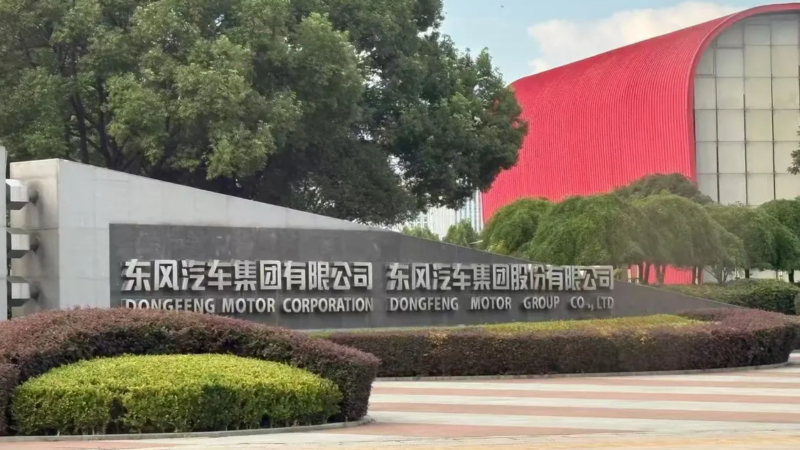
Dongfeng Motor Group (Dongfeng Group) recently announced a strategic double play set to shake up China’s EV market. They’re planning to list their premium new energy vehicle (NEV) brand, Voyah Automobile, on the Hong Kong Stock Exchange (HKEX) through an introduction, while simultaneously taking Dongfeng Group private and delisting it. This move is all about optimizing resources and strategic positioning.
The Two-Phase Plan for Voyah’s Big Move
The deal, revealed late on August 22, is a slick “share distribution + absorption merger.” Both parts are tightly linked and will run side by side. First up, Dongfeng Group will hand over its 79.67% stake in Voyah Automobile to its shareholders. After that, Voyah will make its debut on the HKEX via an introduction listing. This kind of listing lets existing securities trade on an exchange without issuing new shares or raising fresh capital. It’s a smart way to get current shareholders’ investments moving.
The second phase sees Dongfeng Motor Group (Wuhan) Investment Co., Ltd., a wholly-owned subsidiary of Dongfeng Motor, stepping in. They’ll absorb Dongfeng Group, offering equity to the controlling shareholder and cash to minority shareholders, ultimately securing 100% control of Dongfeng Group.
The total acquisition price is set at 10.85 HKD (1.39 USD) per share. This includes 6.68 HKD (0.86 USD) per share in cash and 4.17 HKD (0.53 USD) per share in Voyah equity. It’s a compelling offer, giving shareholders both a guaranteed cash return and a piece of Voyah’s future.
Voyah’s Ascendancy and Future Vision
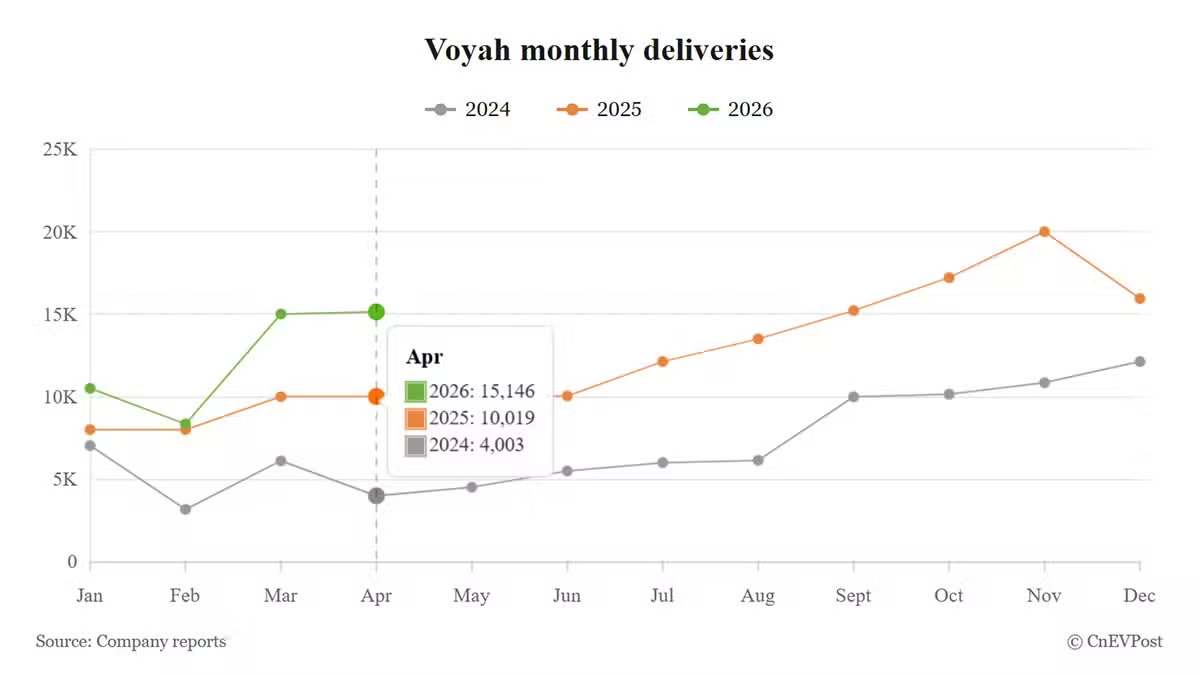
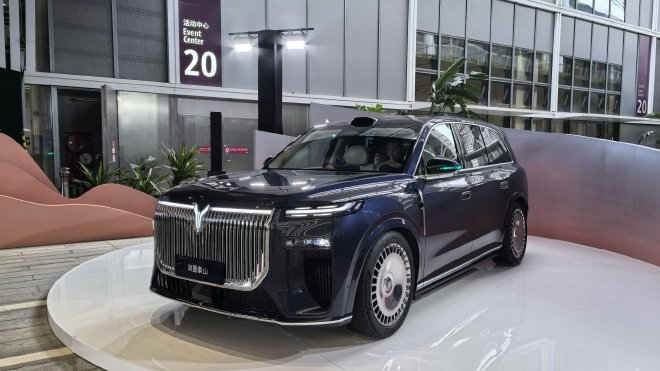
Voyah Automobile, Dongfeng’s brainchild in the high-end electric vehicle space, has been on a tear. In 2024, Voyah delivered an impressive 85,697 vehicles, marking about a 70% jump year-on-year. The momentum continued into 2025, with cumulative sales hitting 68,263 units in the first seven months, an 87.58% rise compared to the previous year. You can see how aggressive Chinese automakers are becoming in the NEV market as they expand their offerings and challenge global peers.
This Hong Kong listing has been a long time coming for Voyah. Back in June 2021, Voyah CEO Lu Fang openly talked about forming an independent legal entity and tapping into capital markets, with an independent IPO on the radar. More recently, in July, Dongfeng Group announced a capital injection deal where Dongfeng Asset Management would pump 1 billion yuan (0.139 billion USD) into Voyah’s registered capital. Dongfeng Group’s shares even saw a trading halt in August, signaling big news was just around the corner.
Dongfeng is banking on Voyah’s listing to open up new financing avenues, bolster its brand image, and ramp up its international presence. The goal is clear: unlock Voyah’s full value and growth potential. For minority shareholders, the “cash + equity” combo is a sweet deal, offering immediate returns while letting them ride the wave of Voyah’s growth. Dongfeng hopes this move will finally break the low valuation shackles that have held its group shares back on the HKEX, allowing for a proper re-evaluation of its worth.
Overcoming Valuation Hurdles and Industry Shifts
Dongfeng Group’s privatization comes at a time of significant upheaval and intense competition in the EV market. Their shares have suffered from a persistently low valuation. As of July 31, 2025, Dongfeng Group’s market capitalization sat at 39.12 billion HKD (5 billion USD), with a closing price of 4.74 HKD (0.61 USD) per share and a paltry price-to-book (PB) ratio of just 0.25x. Because of this, Dongfeng Group shares haven’t been able to secure any equity refinancing since going public, effectively losing the financial leverage of its H-share platform. Basically, Voyah Automobile’s true value was hidden deep within the broader Dongfeng Group’s valuation.
Despite these challenges, Dongfeng Group showed some interesting numbers in its interim results for the first half of 2025. Vehicle sales dipped about 14.7% year-on-year to around 823,900 units. However, revenue climbed 6.6% to 54.533 billion yuan (7.58 billion USD), gross profit jumped 28.0% to 7.599 billion yuan (1.06 billion USD), and the gross margin increased by 2.3 percentage points to 13.9%. Net profit attributable to listed shareholders was 55 million yuan (7.65 million USD). It shows a mixed bag, with some areas of growth countering overall sales declines as the company navigates a changing landscape, much like how BYD has had to adjust its strategy. It is hoped that new strategies like these will help Chinese brands fight back against negative press.
This strategic restructuring could be exactly what Dongfeng needs to unleash Voyah. It’s a bold move that reflects the dynamic shifts and aggressive pursuit of value in the Chinese and global automotive industry. With Voyah stepping into the spotlight, it will be fascinating to watch how this premium EV brand carves out its path on the international stage, possibly even influencing new platforms like the China’s new battery ID platform.