
The Nio Firefly, everyone’s favorite compact electric vehicle, is getting a welcome power upgrade, according to recent Ministry of Industry and Information Technology (MIIT) filings from November 10th. This is great news for those who crave a little extra zip in their urban commutes. But while it’s gaining muscle, it’s also charting its own course, steering clear of CATL’s battery swap stations.
More Power for Your Punchy Commute
Under the hood – or rather, the floor – the updated Firefly packs a new TZ160S012 electric motor from Nio Power Technology’s Xinqiao branch. This bad boy delivers a maximum power output of 120 kW (161 hp), which is a nice 15 kW (20 hp) bump over the current model. For those of us who appreciate the instant torque of EVs, that extra kick is definitely something to look forward to. The existing 42.1kWh battery pack still offers a respectable CLTC range of 420km, making it a solid contender for daily driving. It’s exciting to see Nio pushing the boundaries of what a compact EV can offer in terms of performance.
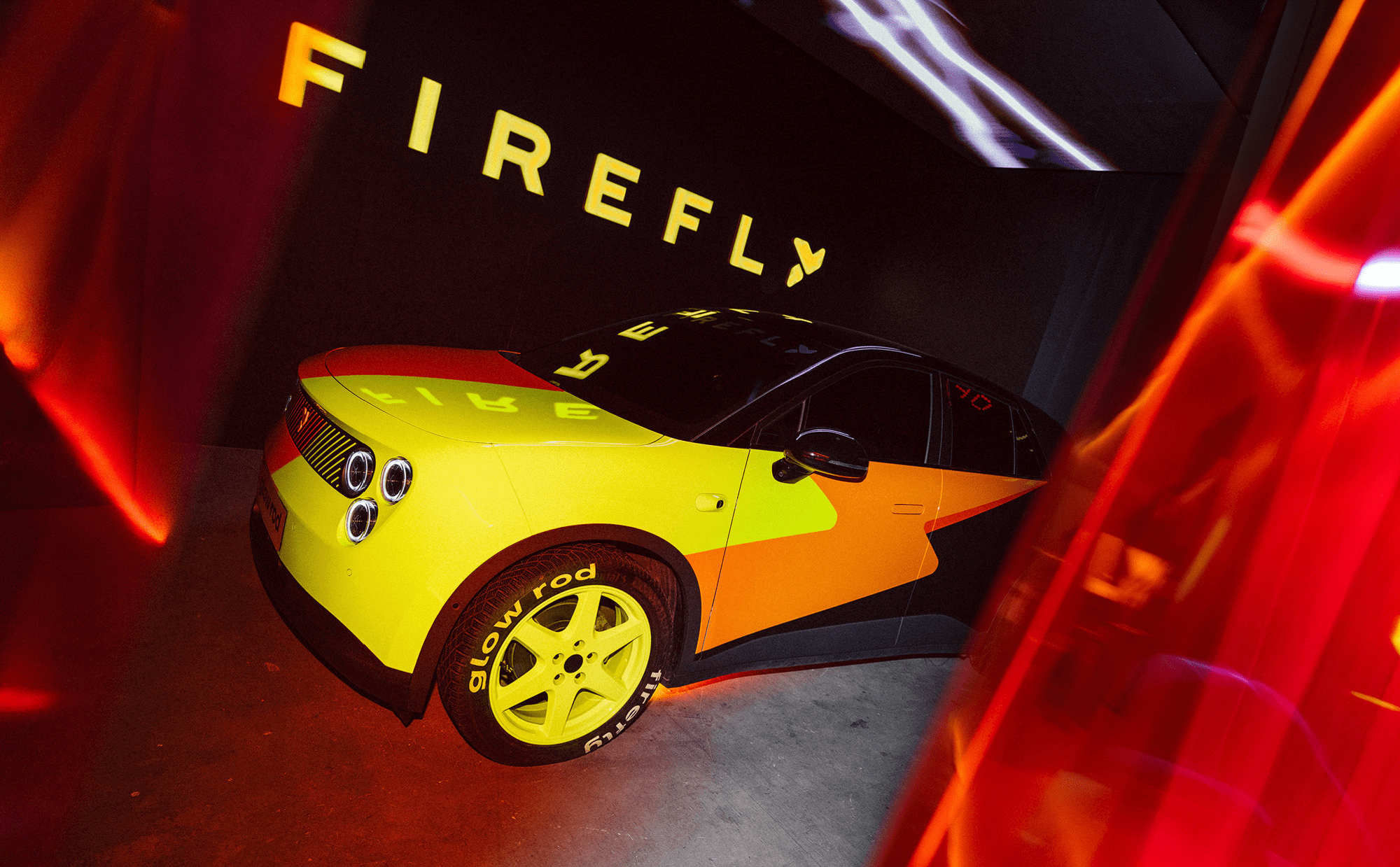
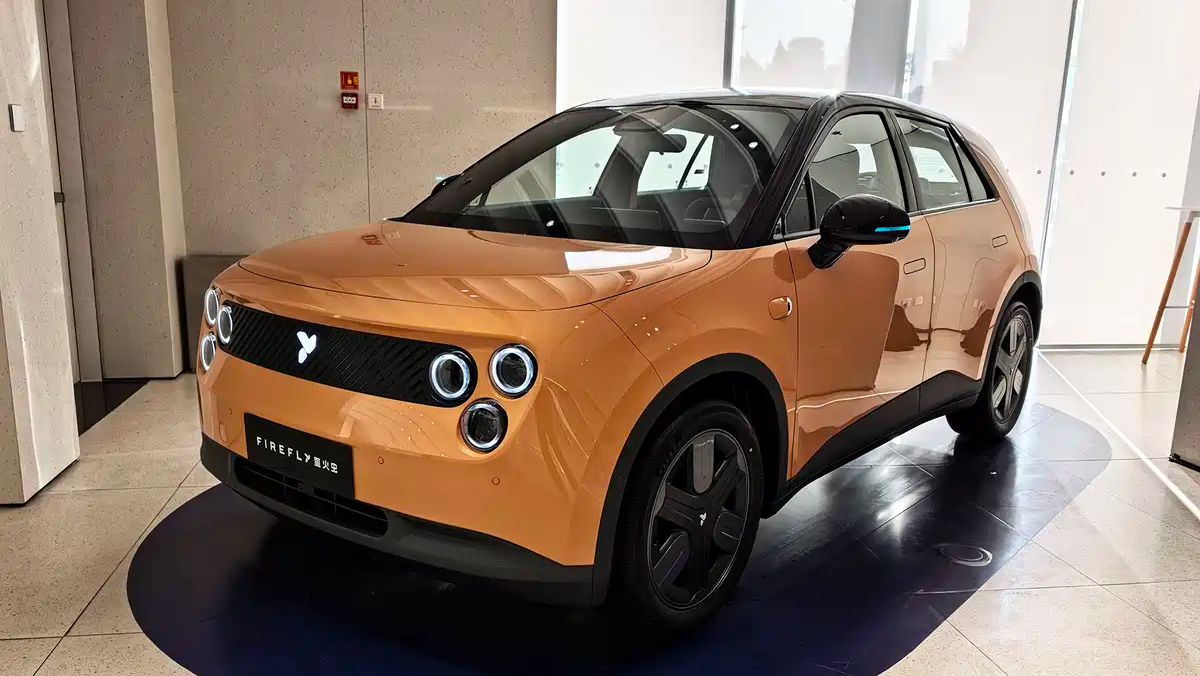
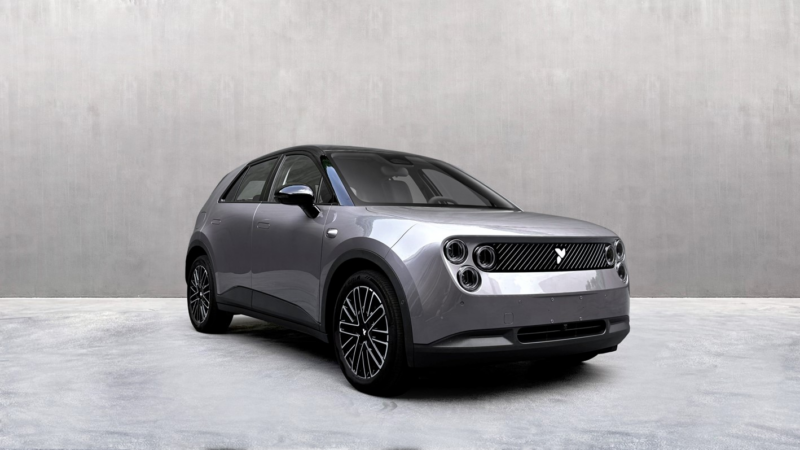
Visually, the Firefly maintains its distinctive look, with those cool triple-ring headlights and matching taillights that give it a bit of personality. And for those curious about its footprint, the dimensions stay consistent at 4003mm long, 1781mm wide, and 1557mm high, with a wheelbase of 2615mm. It’s a compact package that’s easy to maneuver in crowded city streets.
Nio Charts Its Own Course on Battery Swapping
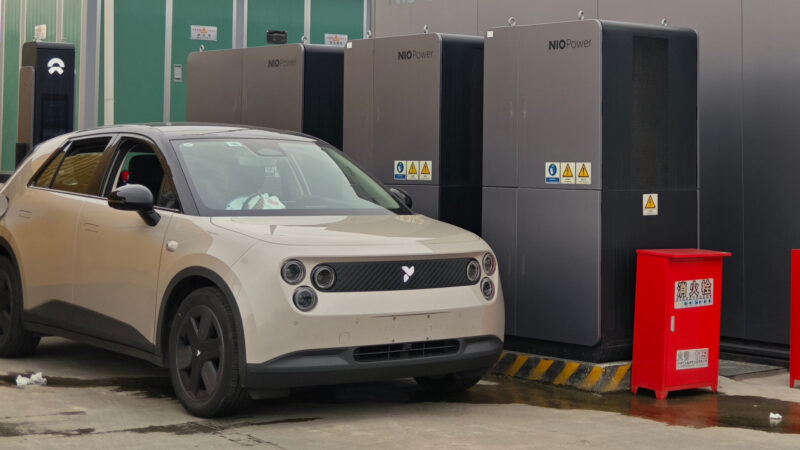
Now, here’s where things get interesting. Nio’s founder and CEO, William Li, recently shared some insights about the Firefly’s future plans. He confirmed that upcoming models will boast significantly larger battery packs, promising a substantial 50% increase in capacity. This means even more range and less range anxiety for drivers. But perhaps the most surprising news is that the Firefly will utilize Nio’s fifth-generation charging stations instead of CATL’s Chocolate battery swap system.
Why the change of heart? Li cited an incompatibility between Firefly’s liquid-cooled batteries and CATL’s air-cooled system. It makes sense, as you would not want to compromise battery health or efficiency. This decision, however, sparks a conversation about Nio’s previous strategic cooperation agreement with CATL from March 2025, which included a hefty 2.5 billion yuan (250 million USD) investment from CATL in Nio Energy. It seems Nio is prioritizing its in-house technology and ecosystem for the Firefly brand.
Firefly: A Rising Star in the EV Market
Since its launch in April, the Firefly has been a quiet success, delivering over 20,000 units in its first five months. In October 2025 alone, it contributed a solid 5,912 units to Nio’s impressive total monthly deliveries of 40,397 vehicles, marking a remarkable 92.6% year-over-year increase for the company. This shows that there’s a real appetite for well-designed, functional compact EVs.
The current model, for reference, features a rear-wheel-drive setup with a 105 kW (141 hp) permanent magnet synchronous motor, delivering 200N·m of torque and hitting a top speed of 150km/h. With the upcoming power boost, we can expect an even more engaging driving experience. For an urban EV, these numbers are more than adequate, making the Firefly a surprisingly fun and practical ride. The Nio Firefly is proving that small EVs can be super safe and capable, challenging preconceived notions about what a compact electric car can deliver. While the current scale of Nio’s fifth-generation battery swap stations might pose some initial challenges for Firefly owners, it’s clear Nio is committed to expanding its infrastructure to support its growing lineup. The future looks bright for this zippy little EV.