
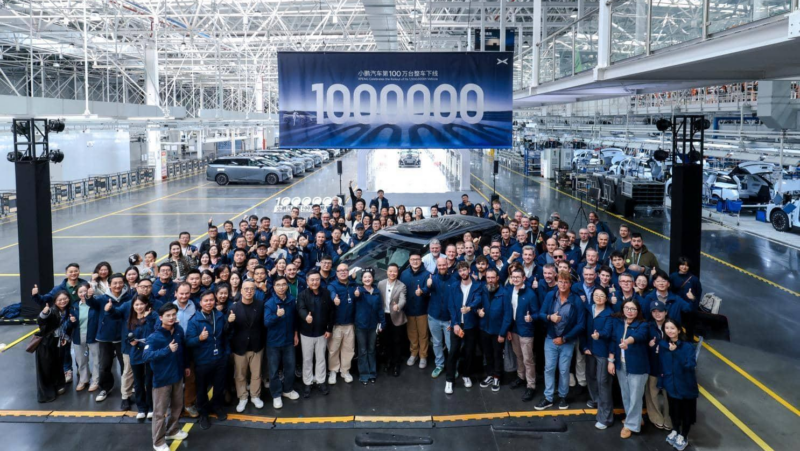
Xpeng just hit a massive milestone, rolling its one-millionth vehicle off the production line. What’s truly remarkable is the acceleration of their progress—it took a hefty 82 months to get the first 500,000 units out the door, but they doubled that in a mere 14 months. Talk about putting the pedal to the metal!
A huge chunk of this impressive growth, about one-fifth of their total million in sales, comes from the incredibly popular Xpeng Mona M03, which debuted last year. It has been a game-changer for them. In fact, on November 7, 2025, Xpeng proudly announced that the Mona M03 alone racked up 200,000 deliveries within those same 14 months.
The Million-Unit Club: A Tight Race Among NEV Startups
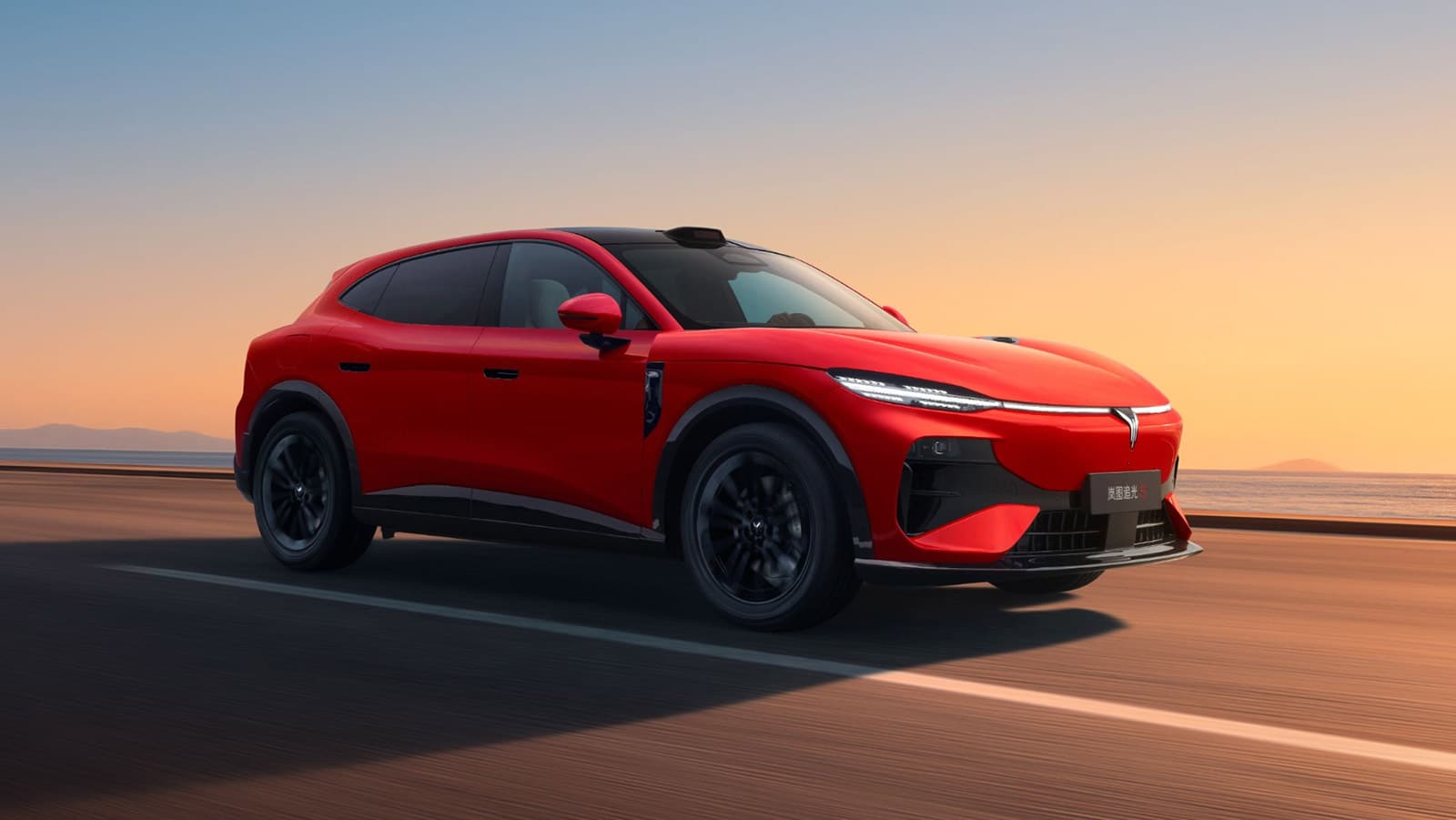
Xpeng isn’t the only one making waves. The Chinese EV market is a hotbed of competition, with several startups vying for supremacy. Li Auto led the charge last October, being the first among the New Energy Vehicle (NEV) startups to hit the one-million mark. Not far behind, Stellantis-backed Leapmotor also crossed that special threshold in September of this year.
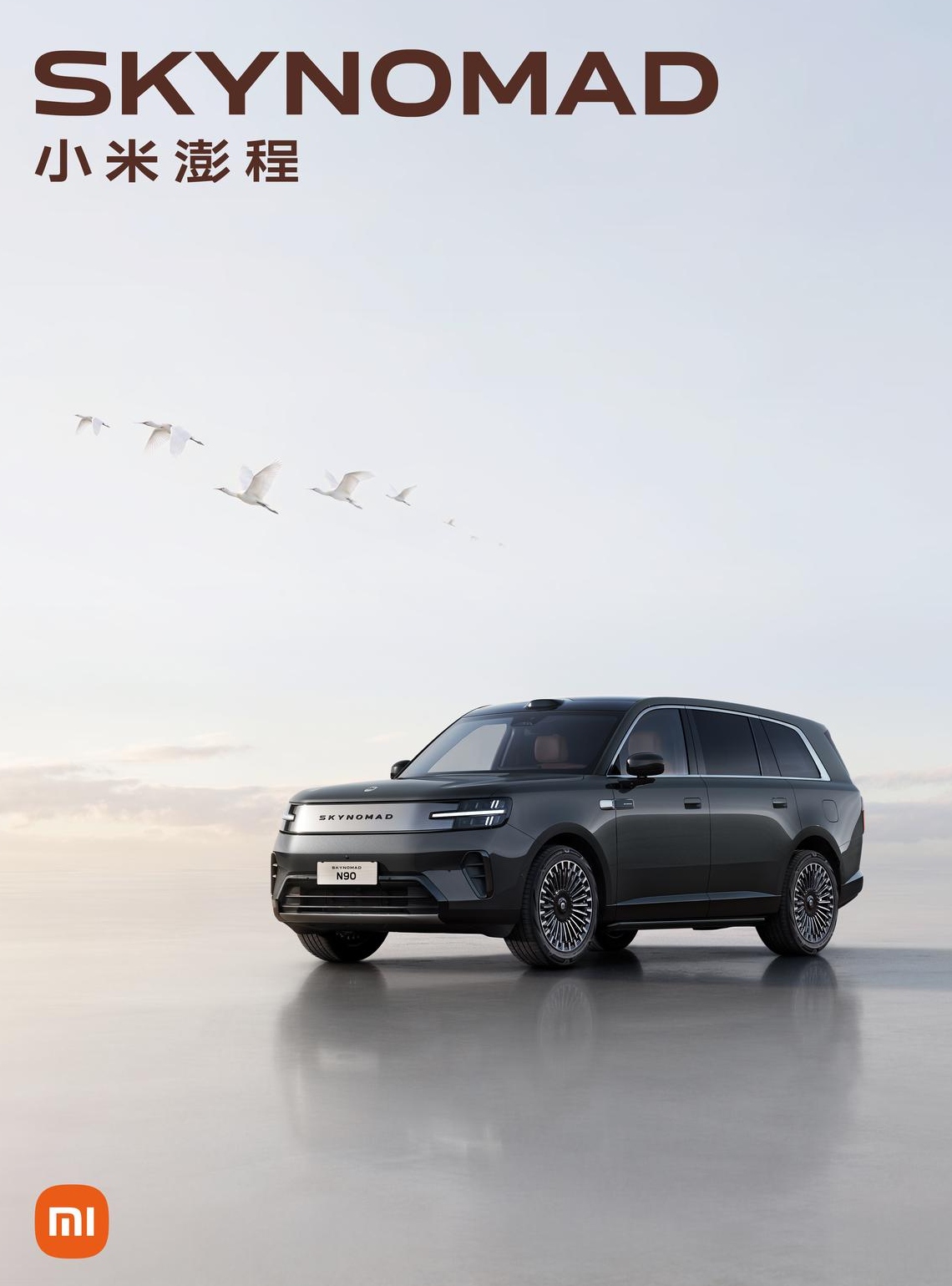
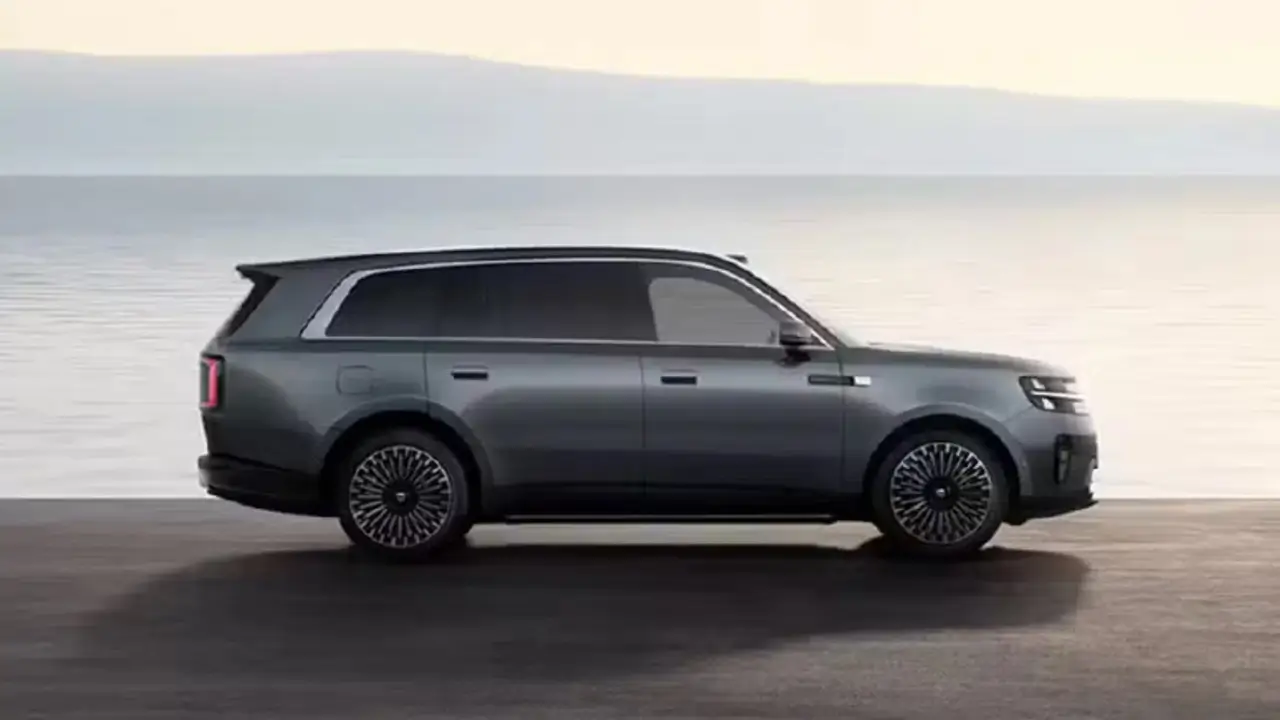
Xiaomi Auto, a newer player, only started deliveries last year, but they’re already moving fast. They hit their first 500,000 vehicles in about 20 months and are on track to reach a million units quicker than any other new carmaker. Keep an eye on Xiaomi, they’re definitely a brand to watch.
Meanwhile, Nio is right on the cusp of joining the “million club.” As of October 31, 2025, their cumulative deliveries, covering all Nio Group brands like Onvo and Firefly, totaled 913,182 vehicles. With a strong showing of 40,397 cars delivered in October, it’s pretty much a sure bet they’ll add another 90,000 in November and December, securing their spot by year-end.
Different Strokes for Different Folks: The Battle of Powertrains
What’s fascinating is how these automakers are reaching these milestones with vastly different strategies. Li Auto, for example, banked on extended-range EVs (EREVs). Their smaller batteries keep costs down, and the gasoline backup is a huge comfort for drivers worried about range anxiety. This approach helped Li Auto snag the million-unit title first. Leapmotor, in many ways, follows a similar playbook, offering a more budget-friendly alternative to Li Auto’s successful formula.
On the other side of the spectrum, Nio, Xiaomi, and Xpeng have historically focused on pure-electric vehicles. While this commitment to full electrification is commendable, it does make hitting the million-unit sales mark a tougher climb compared to their hybrid-heavy competitors like Li Auto and Leapmotor.
However, the landscape is shifting. Xpeng has already begun dipping its toes into EREV production, and Xiaomi won’t be far behind, planning its own range-extended lineup next year. This leaves Nio in a unique position. It might just become the last major pure-electric vehicle maker standing in China. Only time will tell if sticking to a single powertrain strategy will be a boon or a challenge in this rapidly evolving market.