
A recent court decision in Haikou, China, has hit Xiaomi-related companies with an order to refund double the deposit, a total of 10,000 yuan (about $1,400 USD), to a consumer. This marks what’s believed to be the first ruling addressing Xiaomi Auto’s controversial policy of demanding final payment before vehicle delivery. The Haikou Meilan District People’s Court called out certain clauses in automotive purchase agreements as “unfair and unreasonable,” setting an important precedent.
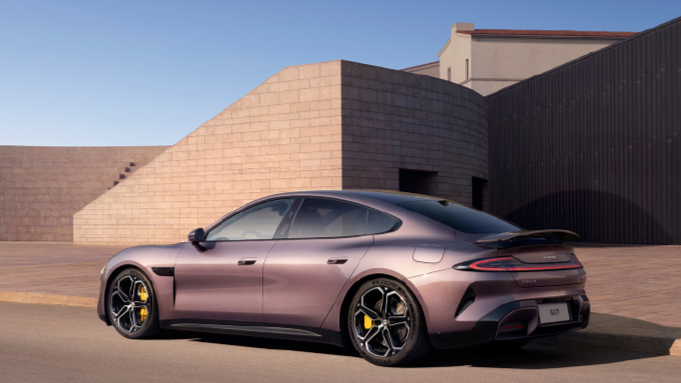
Ms. Li, the plaintiff (using a pseudonym), had placed a 5,000 yuan ($700 USD) deposit on July 19, 2024, for an Aurora Purple SU7 Max, priced at 318,900 yuan ($44,600 USD). After a test drive, she used the Xiaomi Auto app to secure her order. Fast forward to October 16, and she learned her car was due at the dealership on October 24. However, due to some financial hiccups, Ms. Li asked to delay pickup.
Xiaomi staff initially seemed flexible, informing her on October 22 that delaying would mean rescheduling production. They assured her the order would stay valid for 360 days, giving her plenty of time to request production. But there was a catch: if she blew past that 360-day window, her contract would be terminated, and she’d lose her deposit. Talk about high stakes!
Yet, things took a sharp turn. On December 4, 2024, Xiaomi demanded Ms. Li pay the remaining 313,900 yuan ($43,900 USD) within a mere seven calendar days. The threat was clear: fail to pay, and her order was gone, along with her deposit. Ms. Li pushed back, but Xiaomi stood firm, citing a clause in the purchase agreement. By December 16, Xiaomi declared her in breach of contract and canceled her order, keeping the deposit. To add insult to injury, she found out on February 21, 2025, that her particular vehicle had actually been produced back in October 2024, but her order was still canceled due to non-payment.
Frustrated and out of options, Ms. Li tried everything from consumer hotlines to the market supervision bureau, but got nowhere. So, she did what anyone would do: she went to court.
The Court’s Verdict and Implications
A pivotal piece of evidence for the court was Xiaomi Auto’s own public statement from May 1, 2024. In their “Q&A Episode 34,” Xiaomi explicitly stated, “Xiaomi supports paying the final balance after vehicle inspection.” The court saw this as a cornerstone for consumer trust when entering such agreements.
The Haikou Meilan District People’s Court concluded that while Ms. Li and Xiaomi Haikou Company had a valid sales contract, the clause demanding full payment within seven days, before vehicle inspection and delivery, was definitely “unfair and unreasonable.” This harsh clause essentially put too much burden on the buyer and stripped her of the fundamental right to check the car’s quality before committing financially.
What’s more, the court found Xiaomi Haikou Company went against its own public promises and acted in bad faith. They pushed for immediate payment, even though they’d agreed to Ms. Li’s request for delayed production and she hadn’t given the green light to proceed with manufacturing. The court noted that her delay request wouldn’t have messed with Xiaomi’s production schedule anyway. By building the car and then demanding immediate payment under those conditions, Xiaomi breached their supplementary agreement with Ms. Li.
As a result, the court struck down those problematic clauses in the “Xiaomi Auto Purchase Agreement” and ordered the double refund of the deposit. It’s a big win for consumer rights in the Chinese EV market.
The Bigger Picture: Market Pressures and Deposits
This whole situation shines a light on a brewing issue for automakers like Xiaomi. The used car market has seen prices drop, leading many who pre-ordered Xiaomi vehicles to simply walk away from their deposits to snag a cheaper second-hand ride instead. This puts pressure on companies like Xiaomi, sometimes pushing them to ask for final payments earlier to cushion the blow from canceled orders.
Xiaomi’s strategy of using relatively low deposit requirements a mere 5,000 yuan ($700 USD) for the SU7 and 20,000 yuan ($2,800 USD) for the SU7 Ultra certainly helped them rack up a huge volume of orders, creating that buzz of high demand and long waiting lists you hear about. However, with the current dip in the used car market, this modest deposit structure might actually be setting them up for a wave of order cancellations. The EV market in China is certainly heating up, with competition from companies like Xpeng and Leapmotor, who are also making big moves in sales. Even traditional giants like Volkswagen are partnering with Chinese tech to stay competitive.
This legal battle highlights the importance of clear, fair contractual terms in the booming but sometimes volatile EV industry. For consumers and automakers alike, transparency and good faith are absolutely crucial as the market continues its rapid evolution. The landscape also sees innovation like Nio’s battery swap stations and Huawei-backed models shaking things up, pushing everyone to adapt.
Even Xiaomi’s own SU7 has had its share of headlines, showing just how dynamic this market is. Whether Xiaomi will appeal this ruling remains to be seen, but one thing’s for sure: the spotlight is firmly on fair dealing in the world of EVs.