
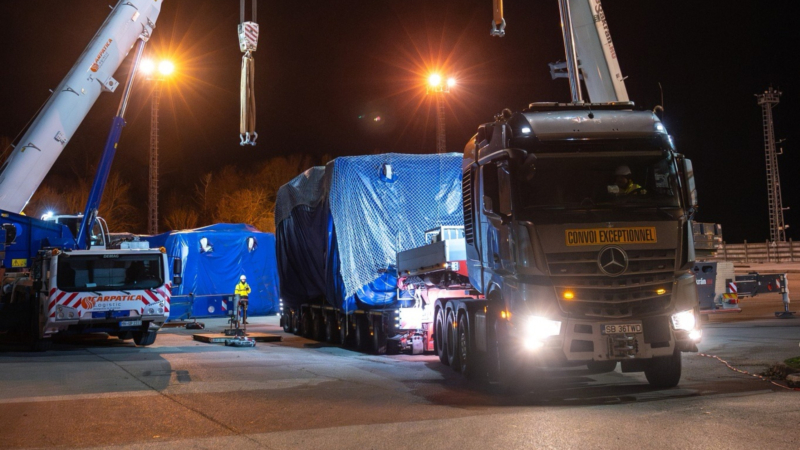
The first wave of BYD’s electric vehicle production line equipment just rolled into Szeged, Hungary, on December 9th. This is a huge step for the Chinese automaker as it eyes trial production in the first quarter of 2026, with mass production kicking off by Q2. Pretty exciting stuff, right?
The Road to Hungary
BYD made its intentions clear back in December 2023, announcing plans for a manufacturing plant in Hungary. This strategic move is all about sidestepping those pesky additional tariffs on electric cars and boosting their competitive edge in the European market. They even sealed a land pre-purchase agreement in January 2024, and by September 2025, everything was reportedly on track. It looks like their plans are really coming to fruition.
On-Site and On Schedule (Mostly)
That video making the rounds on December 9th, courtesy of Chinese source Yuanzhitou 2018, showed off the initial batch of production line equipment arriving in Szeged. While earlier BYD statements hinted at production starting by the end of 2025, a Reuters report suggested a slight delay until 2026. It even mentioned the plant might run below full capacity for a couple of years. But hey, progress is progress, and we’re still looking at a fairly swift turnaround.
The Szeged factory’s first star will be the Dolphin Mini electric hatchback (known by various names like Seagull, Dolphin Surf, or Atto 1). After that, we can expect to see other popular models like the Atto 3 (Yuan Plus), Dolphin, Seal, and Seal U (Sealion 6 / Song Plus) join the assembly line. This plant is ambitious, aiming for a maximum capacity of 300,000 cars annually.
Dodging Tariffs and Driving Competitiveness
So, why the big push into Hungary? It’s all about those tariffs. Producing cars within Hungary will help BYD navigate the additional tariffs slapped on by the European Union. Currently, the Shenzhen-based company is facing a rather hefty 17% extra tariff on top of the existing 10% customs duty. Localizing production really makes sense here, not just for cost savings, but also for getting closer to their European customers. This move could completely change the game for BYD’s European presence, giving them a significant advantage in terms of pricing and availability against rivals. It’s a bold step, and one that highlights the evolving nature of the global EV market. We’ve seen other Chinese EV makers like GAC’s Aion brand also pushing into new markets, like their entry into Japan, further illustrating this global expansion trend. We’ll be keeping a close eye on how this strategy unfolds for BYD in the coming years.