
China’s automotive scene just took a monumental leap forward, ditching the age-old requirement for mechanical steering linkages. This isn’t just a minor regulation change. It’s a game-changer that opens the floodgates for full steer-by-wire technology, pushing the boundaries of vehicle design and driving dynamics.
Effective July 1, 2026, a new national standard will reshape how cars are steered across the nation. This isn’t just about removing a metal rod. It’s about completely digitizing the connection between your hands on the wheel and the tires on the road, promising a level of precision, responsiveness, and safety we’ve only dreamed of.
The Dawn of a New Era
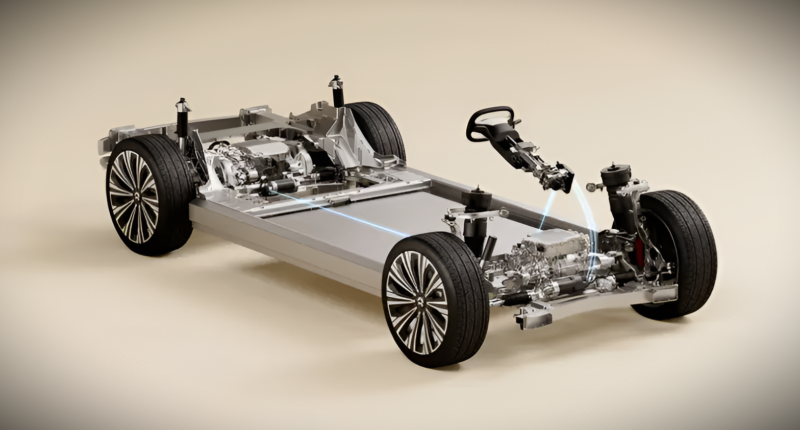
Imagine a steering wheel that can adapt its feel dynamically, offering feather-light effort for parking and sports-car-like heft at high speeds. That’s the magic of steer-by-wire. By replacing mechanical connections with electronic signals, engineers gain unparalleled control over steering characteristics. This innovation means a clutter-free engine bay and greater design freedom for manufacturers. It also significantly enhances crash safety by eliminating the rigid steering column.
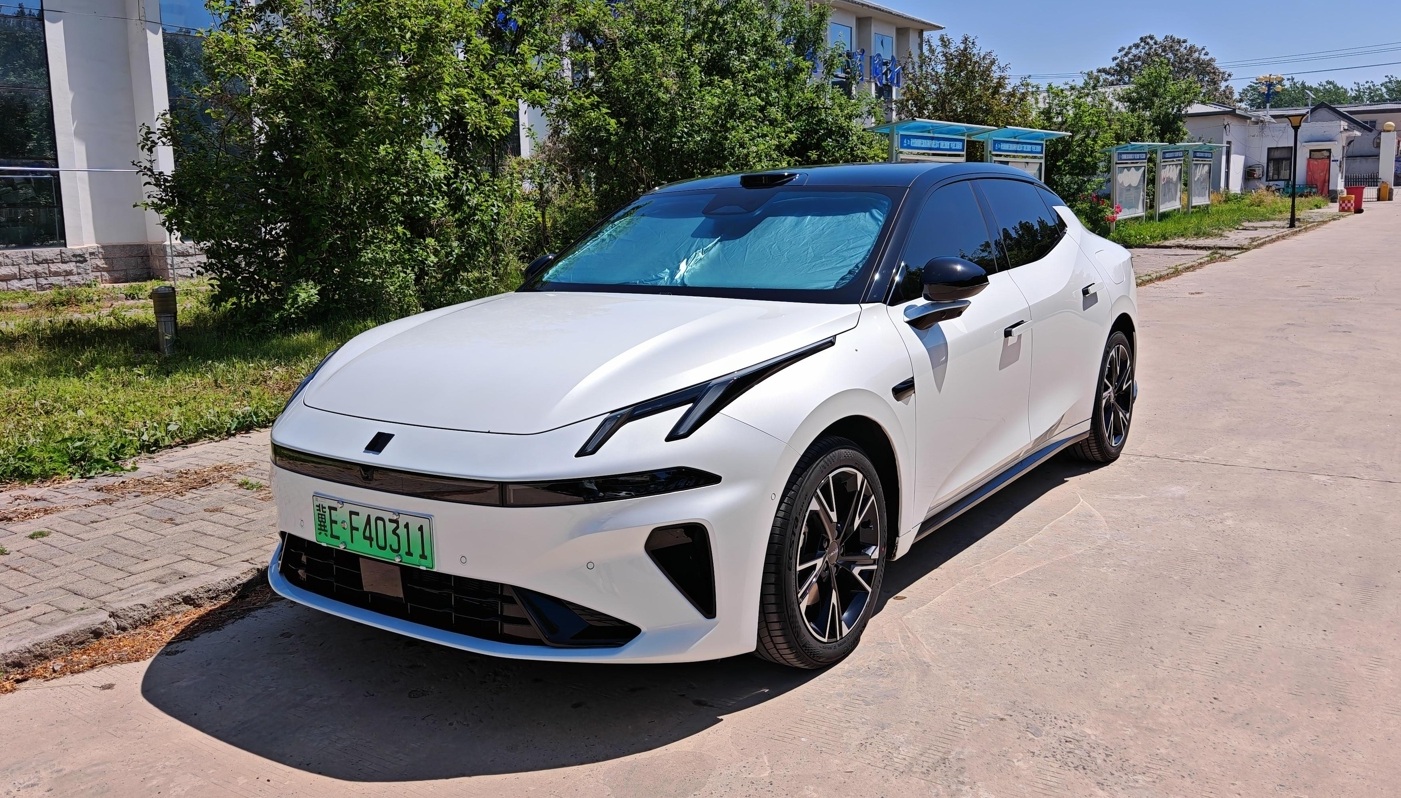
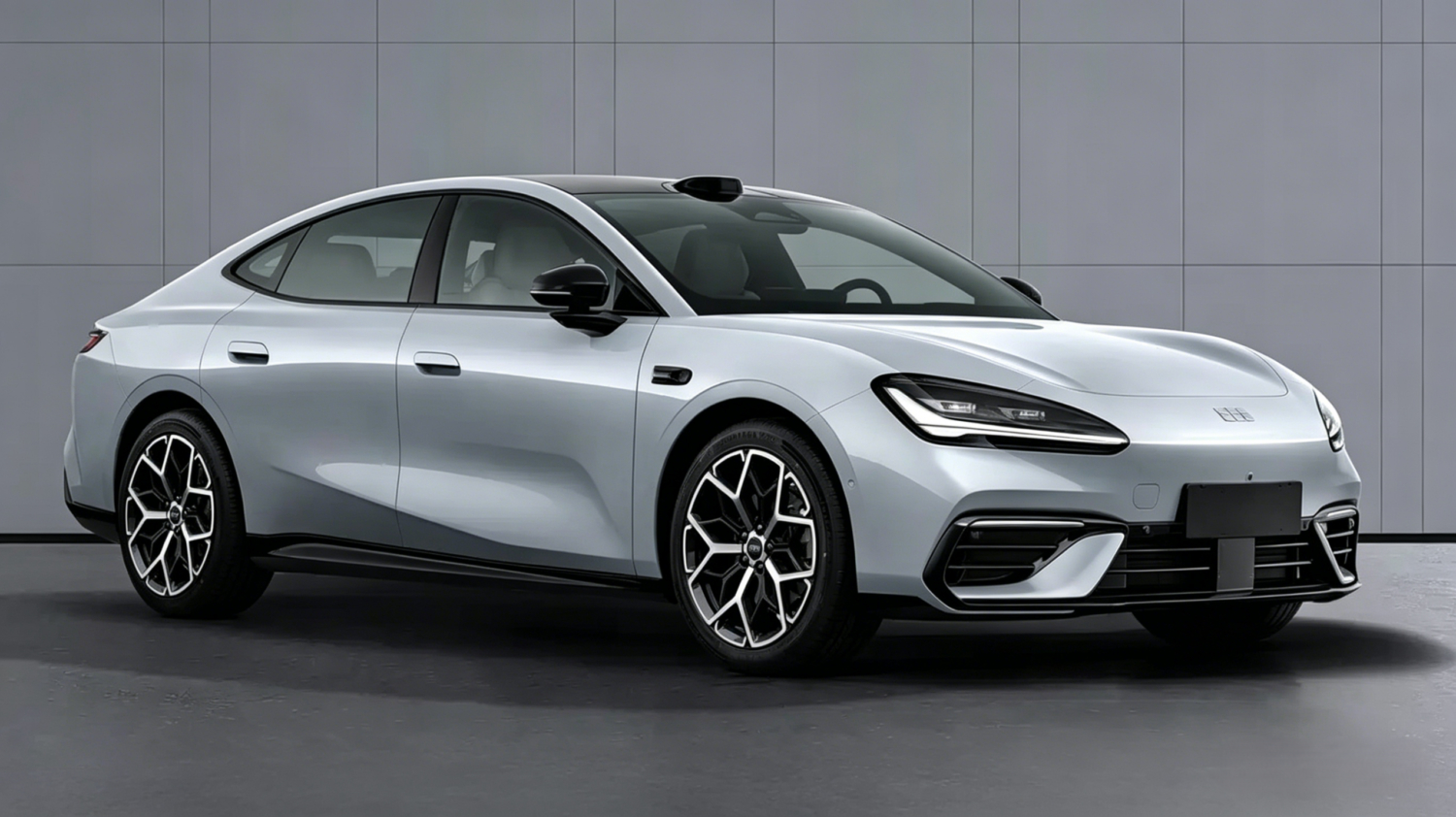
This isn’t sci-fi anymore. Vehicles like the Infiniti Q50 already use some form of steer-by-wire, though often with a redundant mechanical backup. However, the real trailblazer here is the Nio ET9, which stands as China’s first mass-produced model to embrace full steer-by-wire without a mechanical failsafe. It’s a testament to the confidence Chinese automakers and regulators have in this advanced technology.
Safety First, Always
Naturally, such a revolutionary change doesn’t come without meticulous attention to safety. This new standard, as reported by IT-home, includes comprehensive requirements for electronic and electric power-assisted steering systems. It aligns with the latest UN R79 amendments and demands compliance with ISO 26262 safety levels for electronic steering. This robust framework covers everything from system redundancy and fail-safe performance under various malfunctions—think power supply or control transmission issues—to real-time monitoring of battery aging and energy management.
Manufacturers will need to provide detailed documentation proving the safety of their electronic steering systems, all subject to rigorous review and random verification tests. This commitment to safety ensures that while the technology advances, driver and passenger protection remains paramount.
A Collaborative Effort
The development of this groundbreaking standard wasn’t a solo act. It involved a who’s who of Chinese automotive powerhouses and tech giants: Nio, BAIC, Xpeng, BYD, Geely, Xiaomi, and Huawei. International players like Toyota’s China smart EV center and Mercedes-Benz China also contributed, highlighting the universal applicability and importance of this standard. This broad participation underscores the collaborative spirit driving innovation in the Chinese automotive industry.
What This Means for Drivers and the Future
For drivers, this means a more refined and adaptable driving experience. The days of a one-size-fits-all steering feel are numbered. Imagine a premium sedan that handles like a nimble sports car with the flick of a button, or a heavy-duty truck that steers with the ease of a compact city car. That’s the potential unlocked by steer-by-wire. It allows for advanced customization and integration with evolving autonomous driving systems.
From a manufacturing perspective, this regulatory shift provides a clear roadmap for designing, testing, and deploying vehicles with cutting-edge electronic steering. It fosters an environment where innovation can thrive, pushing Chinese EVs further to the forefront of global automotive technology. Expect to see a wave of new models boasting these systems, making driving safer, more efficient, and undeniably more exciting. The future of steering is here, and it’s fully electronic.