
Huawei is making some serious moves in the autonomous driving space with its Qiankun intelligent driving system, setting a target for widespread L3 adoption by 2027. This ambitious roadmap was unveiled by Jin Yuzhi, CEO of Huawei’s Smart Car Solutions Business Unit, at the 2025 World New Energy Vehicle Congress (WNEVC 2025) in Hainan, China.
Qiankun’s Impressive Journey So Far
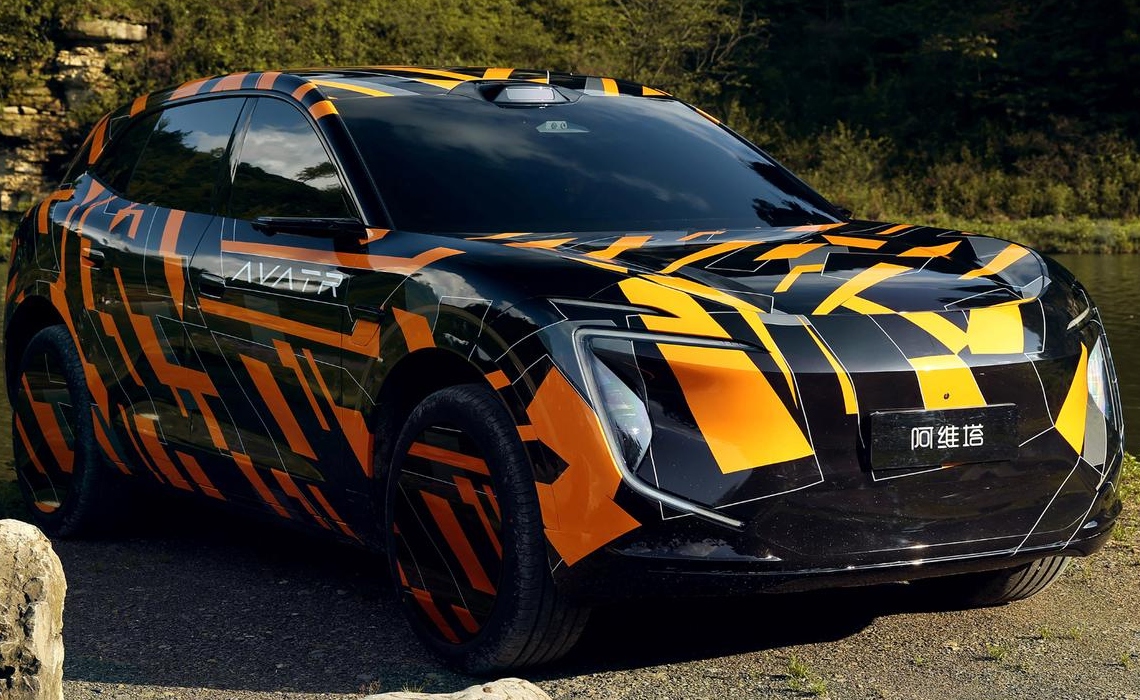
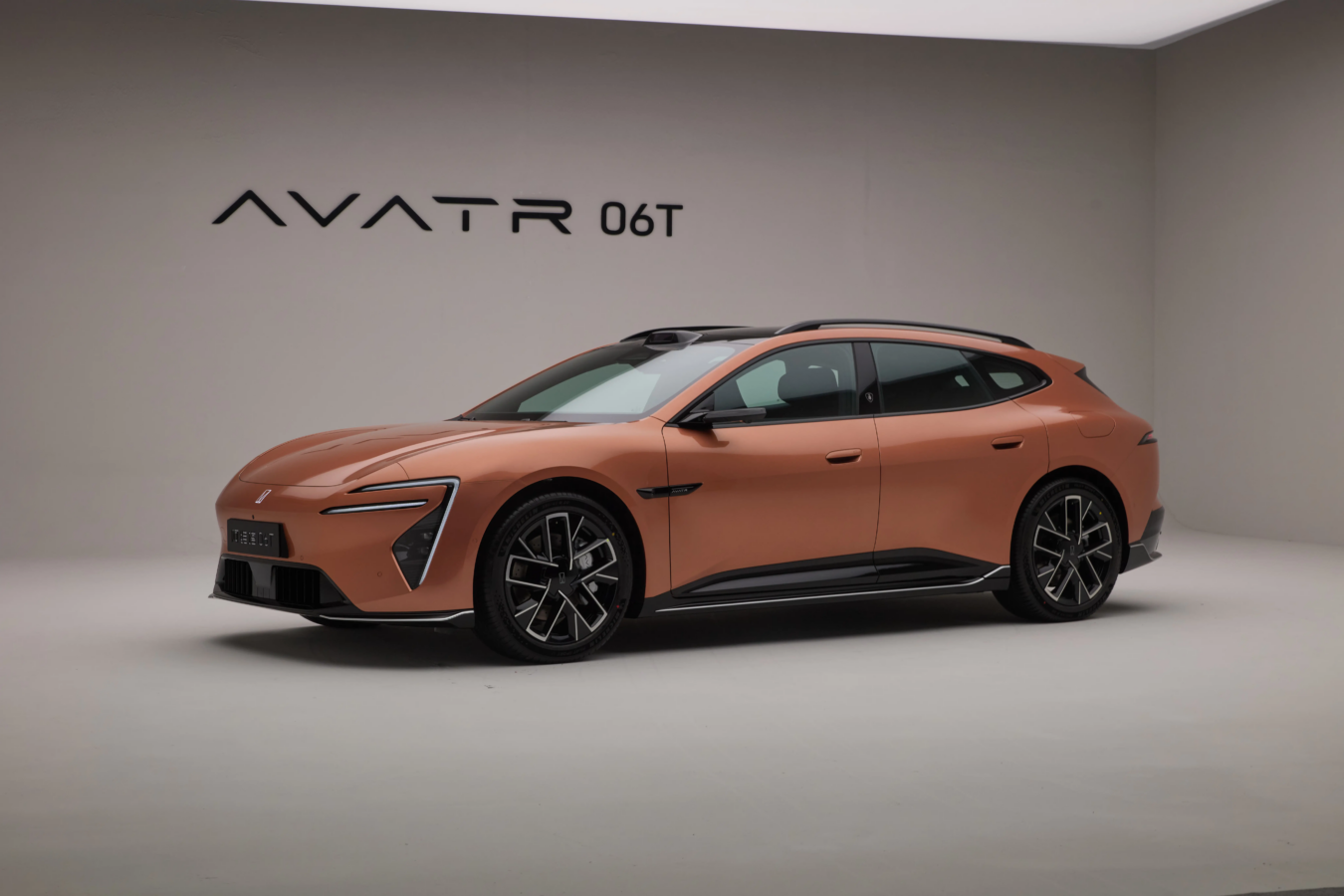
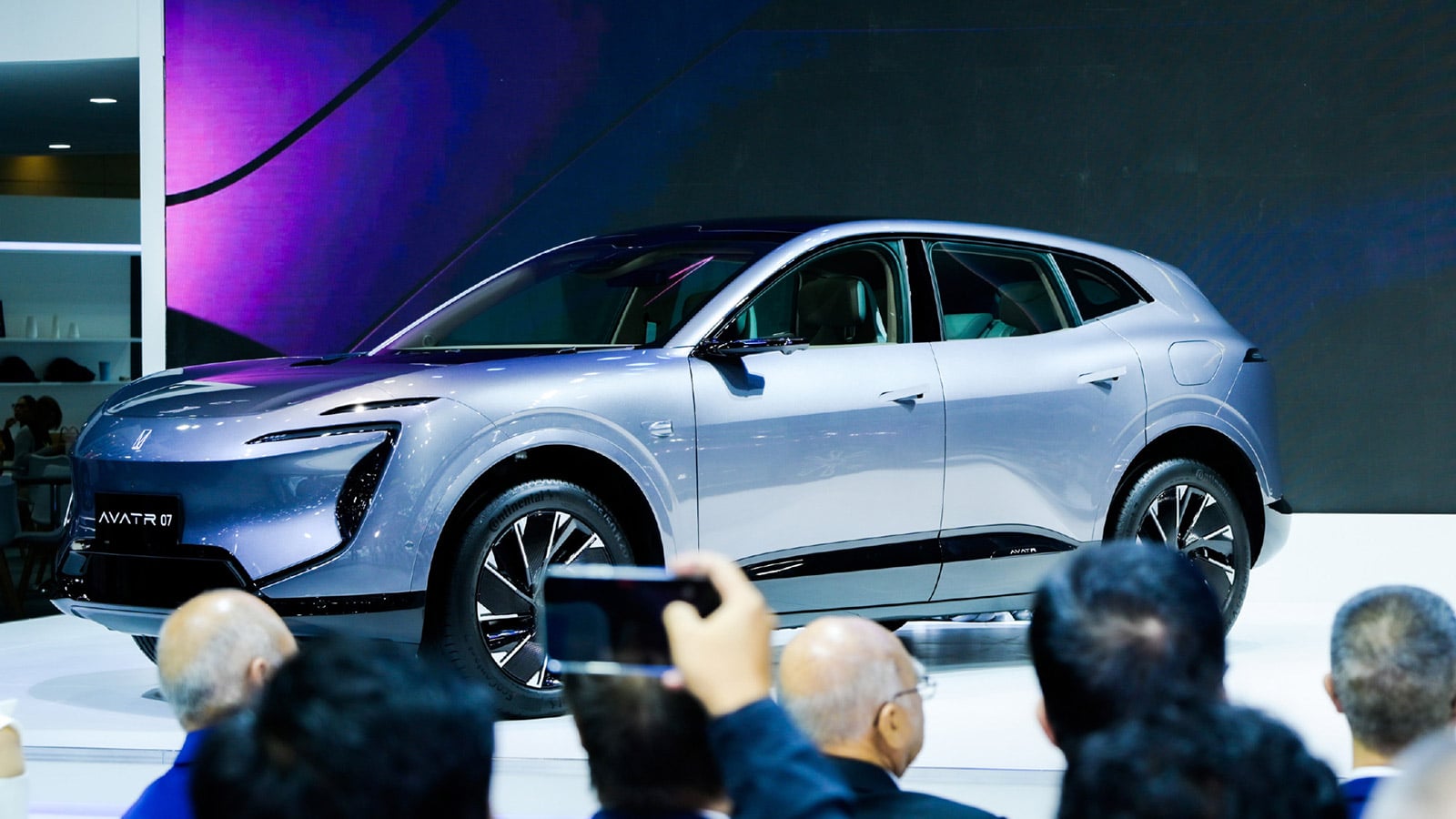
The Qiankun system is already in over a million vehicles across 28 different models. This includes partnerships with big names like Harmony Intelligent Mobility, Avatr, Deepal, and Voyah. It’s not just about the numbers either: the system has racked up more than 5 billion kilometers in assisted driving, executed over 280 million automated parking maneuvers, and, crucially, helped drivers avoid 2.71 million potential collisions. That’s a lot of averted headaches and crumpled fenders.
Beyond just driving, Huawei’s HarmonyOS-based cockpit, which features the MoLA architecture, has also seen massive uptake. Its voice assistant alone had 238 million activations by August 2025, with almost 70 million navigation searches handled by voice commands. This really shows how integrated Huawei’s tech is becoming in our daily driving lives. One could argue this shows the ever-growing demand for smarter, more intuitive vehicle systems, much like the advancements seen in newer models, such as the Deepal L06 with its 3nm cockpit chip.
The Three Waves of Autonomous Driving
Jin laid out Huawei’s vision for autonomous driving in three distinct waves. The first wave, from 2015 to 2022, was all about electrification, slashing travel costs by replacing gasoline with electric power. Then came the second wave, spanning 2022 to 2027, which is all about making driving smarter and safer. This phase focuses on using advanced algorithms to ease the driver’s load and drastically cut down accident risks. It’s also where technologies like steer-by-wire systems start to play a bigger role.
The third wave, kicking off in 2027, is where things get truly exciting with full automation. This isn’t just about minor improvements. It is set to redefine safety standards and unlock entirely new possibilities for mobility, making transportation more efficient for everyone. It almost sounds like they are creating what I would call “mobility spaces” to improve transport efficiency.
Huawei’s Ambitious Technical Roadmap
Huawei’s plan for the coming years is nothing short of ambitious. We are looking at the rollout of their ADS 4 system this year, 2025, which will bring a highway-focused L3 commercial solution. By 2026, the goal is to have L3 deployed on highways on a large scale. They also want to kick off L4 urban pilot programs, of course, once regulators give the green light. The progress in this area is quite evident too. For instance, companies like Xpeng are already exploring navigation-free L4 robo-cars, which could potentially collaborate with other firms.
Then, in 2027, buckle up. Huawei anticipates L3 will be widely adopted, while L4 capabilities will start making their commercial debut. This means we could see robotaxis and advanced logistics services becoming a common sight on our roads, pushing the boundaries of what L3 and L4 technologies can do. It is clear that Huawei, with its Qiankun system, along with strong collaborators like Harmony Intelligent Mobility, Avatr, Deepal, and Voyah, is poised to redefine our driving experience in the near future.