

China’s Ministry of Public Security is shaking things up with new national safety standards for motor vehicles. These proposals include significant restrictions on acceleration and beefed-up safety measures for electric vehicles. It looks like they are serious about enhancing road safety.
Steering Towards Safer Speeds
The draft regulation, aptly named “Technical Conditions for Motor Vehicle Operation Safety,” suggests that passenger vehicles should default to a setting where accelerating from 0 to 100 km/h takes no less than 5 seconds. This move aims to rein in some of the extreme acceleration we have seen recently, which frankly, makes a lot of sense for public roads. While impressive, a sub-5-second sprint to 100 km/h is more suited for the track than the daily commute.
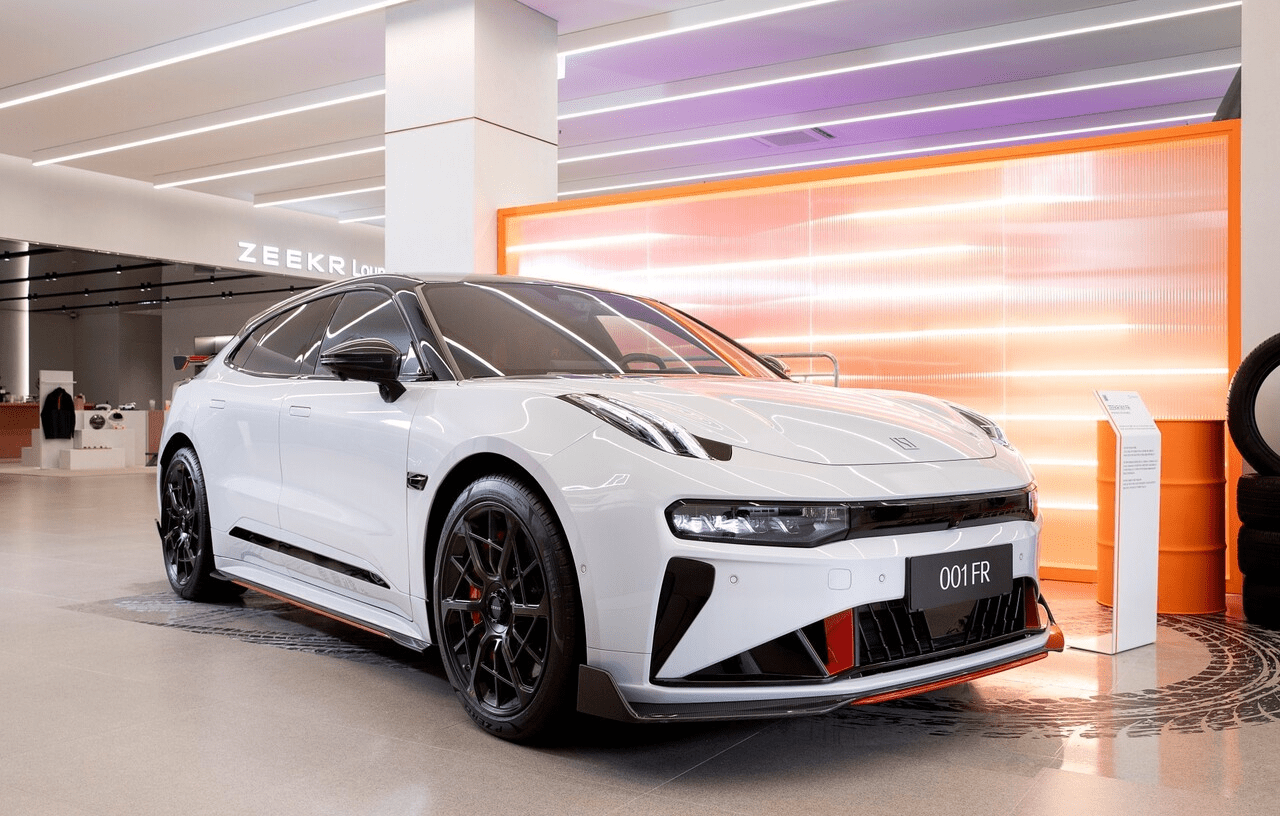
It is important to note, and the Ministry clarifies, this isn’t a blanket ban on high-performance machines. Instead, it targets the default setting, meaning if you want to unleash the full fury of your Xiaomi SU7 or Zeekr, you will likely need to engage a specific mode after starting the vehicle. This approach allows performance enthusiasts to enjoy their cars responsibly, while ensuring everyday driving remains sensible. Still, it could dampen the “bragging rights” marketing some brands love to lean on.
Electric Vehicle Safety Takes Center Stage
The draft also shines a spotlight on electric and plug-in hybrid vehicles, proposing several targeted safety provisions. Imagine a car that knows when you have accidentally mashed the accelerator instead of the brake. These vehicles will need pedal misapplication suppression technology, restricting power output when stationary or crawling, and providing clear audio and visual warnings to drivers.
There is also a mandate for pure electric and plug-in hybrid vehicles to automatically cut off power circuits in emergency situations. This includes scenarios where vehicle speed changes unexpectedly by 25 km/h or more within 150 milliseconds longitudinally or laterally, or when airbags deploy. This intelligent power cutoff could be a game-changer in preventing secondary accidents.
Battery Vigilance and Emergency Exits
Battery safety is another critical area of focus. Regulators want EVs to constantly monitor battery status, detecting, recording, and providing early warnings for abnormal cell conditions. If thermal issues pop up, occupants will be alerted with clear audio and visual signals. This proactive monitoring is a smart move, especially with the increasing energy density of modern battery packs.
Beyond monitoring, power batteries need directional pressure relief and balancing devices, complete with pressure relief channels that keep cabin occupants safe. For larger pure electric and plug-in hybrid buses (6 meters or longer), the battery compartment must be able to prevent fire or explosion for at least five minutes after a battery alarm. This gives precious time for passengers to evacuate safely.
Smarter Driving, Safer Displays
Driver assistance systems are also under the microscope. Vehicles with these features will require biometric recognition or account login to confirm drivers have completed proper training. This could be a significant step towards ensuring drivers understand and are proficient with advanced systems. For combination driving assistance systems operating above 10 km/h, continuous driver engagement monitoring will be mandatory, using at least two methods like hand-off detection and gaze monitoring. This aligns with a global trend towards more robust driver monitoring for semi-autonomous systems.
To keep distractions at bay, entertainment videos and gaming functions on dashboard displays will be disabled when the vehicle exceeds 10 km/h. This measure aims to keep drivers focused on the road, where their attention truly belongs.
Redefining Door Safety and Visibility
Recent accidents have brought door safety under scrutiny. The new proposal dictates that passenger vehicles must ensure every occupant can exit through at least two different doors. Plus, every door (trunk doors excluded) must have mechanical release handles both inside and out. For cars with electronic door locking systems, non-impact side doors must automatically unlock if airbags deploy or if there’s a battery thermal event. This is a critical improvement, ensuring occupants aren’t trapped in an emergency.
Window specifications are also getting an update. Mirror-reflective window films will be prohibited, and driver visibility areas must maintain at least 70% visible light transmission. Emergency exit windows need to be tempered glass, no thicker than 5mm and without sun-blocking film, making them easier to break in emergencies.
Public Consultation Underway
This comprehensive draft is currently open for public consultation, part of China’s ongoing national standards revision process. It represents a significant effort to enhance overall road safety, especially as the country’s automotive landscape rapidly electrifies and innovates. The focus on default acceleration, EV-specific safety protocols, and driver assistance system oversight shows a proactive approach to potential risks in an evolving market. Overall, these proposed changes are a big step towards making Chinese roads safer for everyone, embracing new technologies while mitigating their potential downsides.