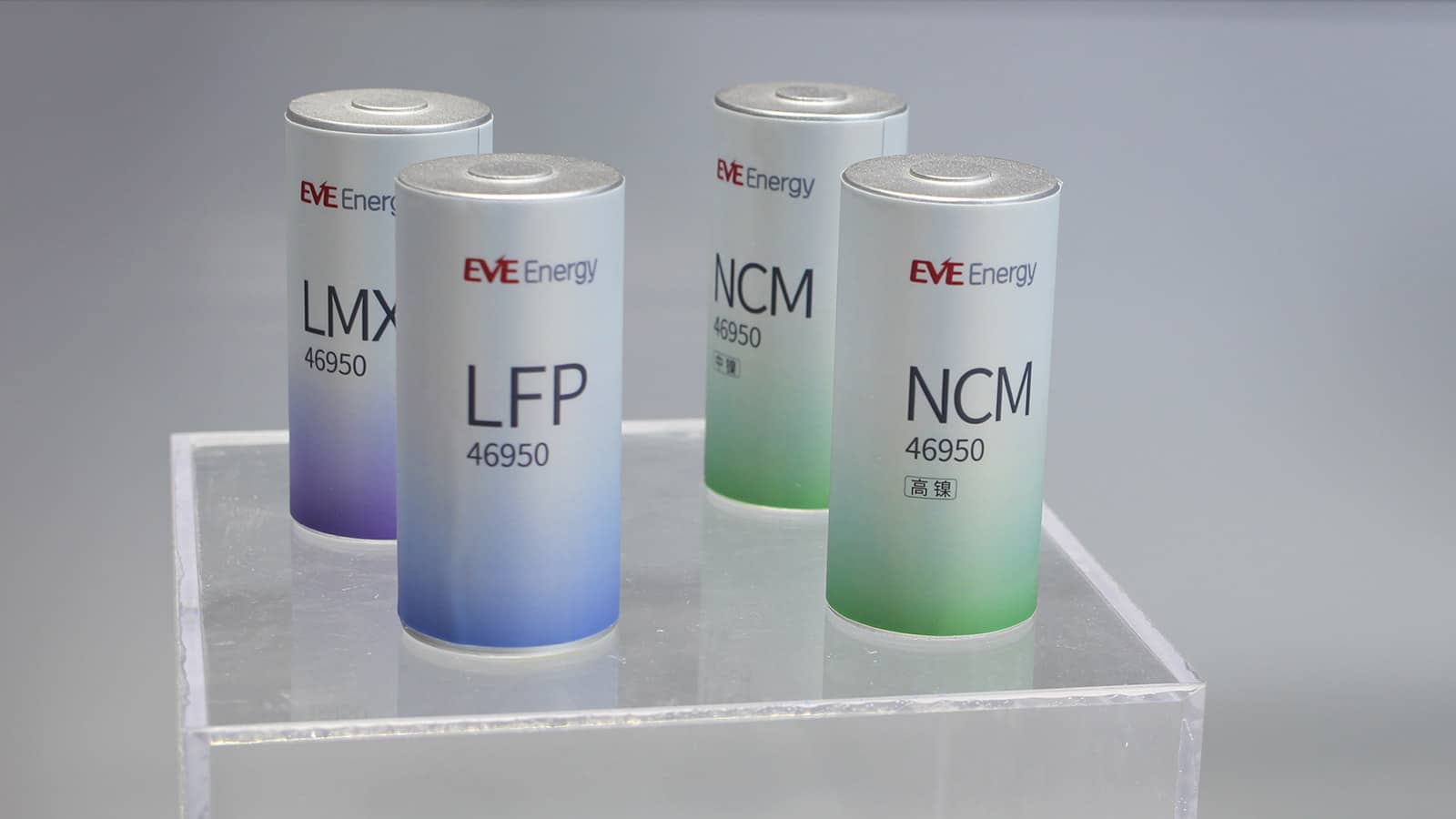

Get ready, because the future of electric vehicle power is starting to take shape. Eve Energy, a major player in the battery world and a supplier to giants like Tesla and BMW, has just announced that its new Longquan No. 3 and No. 4 solid-state batteries (SSB) have rolled off the production line at its Chengdu facility. This isn’t just a small step; it’s a significant move towards making these next-generation batteries a commercial reality. The Chinese EV industry, known for its relentless pace of innovation, is once again pushing the boundaries. Solid-state batteries are the holy grail for many automakers, promising greater safety, faster charging, and more energy density than today’s lithium-ion cells. Eve’s success here highlights the deep bench of battery expertise in China, a crucial element in the global EV supply chain.
So, what’s the big deal with these new batteries? Eve has developed two distinct versions. The Longquan No. 3 is geared towards consumer electronics. It operates under relatively low pressure, which is key for the delicate interfaces in solid-state designs. While specific energy density figures weren’t shared, the company is touting high volumetric energy density, meaning it packs a lot of power into a small space. Think slimmer phones and lighter laptops, but also potentially more compact battery packs for smaller EVs or specialized applications.
The Longquan No. 4, however, is where things get really exciting for us car enthusiasts. This one is engineered specifically for electric vehicle traction. It boasts a 60 Ah capacity and can handle higher pressures (up to 5 MPa), which are more in line with the demanding conditions found in an EV’s battery pack. This is a crucial step. Getting solid-state batteries to perform reliably under automotive conditions, like varying temperatures and vibrations, has been a major hurdle. Eve’s progress here shows they’re tackling these challenges head-on.
While we don’t have all the juicy details yet – like exact battery pack capacities or charging speeds for these specific cells – this announcement follows Eve’s structured iteration strategy. Their previous Longquan No. 2 cell targeted areas like robotics and AI hardware, showing a broad approach to electrification. This methodical development across different segments is typical of how Chinese tech companies operate, iterating rapidly to capture diverse markets.
What’s really driving this advancement? A major challenge in solid-state battery development has been managing the pressure needed to ensure good contact between the solid electrolyte and the electrodes. Too much pressure can damage the components, while too little leads to poor performance. Eve, like other global players, is working to reduce these pressure requirements while maintaining that critical solid-solid interface. Lower pressure means simpler manufacturing and easier integration into vehicle designs, which is great news for automakers and consumers alike. We’re seeing similar advancements from companies like Gotion High Tech, another Chinese giant, which is also pushing solid-state technology forward, often with backing from global giants like Volkswagen.
Eve isn’t a newcomer to the automotive scene. They already supply batteries to big names like Tesla and BMW and are involved in a commercial vehicle battery venture with industry heavyweights. This broad experience means they understand the stringent requirements of the automotive world. It’s a trend we’re seeing across the board: foreign automakers are increasingly partnering with and investing in Chinese battery firms. Mercedes-Benz has backed Farasis Energy, and Volkswagen has a significant stake in Gotion. This symbiotic relationship is accelerating the adoption of advanced battery tech, including solid-state, much faster than many predicted.
While Eve hasn’t revealed specific commercialization timelines or which automakers will be the first to feature these new batteries, this production milestone is a clear signal. It’s the culmination of years of research and development, moving beyond the lab and into the realm of tangible manufacturing. The sheer speed at which Chinese battery manufacturers are iterating and scaling up production is frankly astonishing, often outpacing their Western counterparts. This rapid product cycle is a defining characteristic of the Chinese EV market, constantly pushing competitors to keep up.
We’ll be watching closely to see how these batteries perform in real-world applications and when they’ll start appearing in the EVs we drive. But one thing’s for sure: the race for next-generation battery technology is heating up, and China is leading the charge.