
Xiaomi, the brand we’ve been watching closely in the pure electric space, just dropped a hint that its ambitions are broader than we thought. A new patent filing isn’t for a faster charger or a bigger battery, but for something surprisingly old-school: a fuel-tank display system. It’s a clear signal that Xiaomi is serious about developing cars that aren’t just pure EVs.
A Smoother Experience at the Pump
So, what does this patent actually do? It describes a clever software solution for a common annoyance: a jumpy fuel gauge. We’ve all been there. You’re driving on a hilly road or taking a sharp corner, and the fuel needle suddenly drops or jumps because the gasoline is sloshing around in the tank. Xiaomi’s system tackles this by constantly checking the fuel sensor’s reading against what’s shown on the dash. If there’s a big, sudden difference, the software gently adjusts the display instead of letting it swing wildly. It’s a small detail, but it shows a focus on a polished user experience, even for non-EV components.
Hybrids and Extended-Range Models on the Horizon
The filing explicitly states this technology is for vehicles with fuel storage. This places it squarely in the world of hybrids (PHEV) or extended-range electric vehicles (EREVs), not the pure EV lineup we know. While the company hasn’t said which models will get this tech, it’s a strong confirmation that they’re diversifying their powertrain portfolio. This move makes a lot of sense in the Chinese market, where EREVs offer a practical bridge for consumers not yet ready to go all-electric, eliminating range anxiety. This isn’t happening in a vacuum. Xiaomi has also been patenting other cool tech, including advanced vehicle control functions, drift control systems, and even methods for preparing lithium iron phosphate battery materials, a staple in modern EVs.
A Peek at Xiaomi’s Future Garage
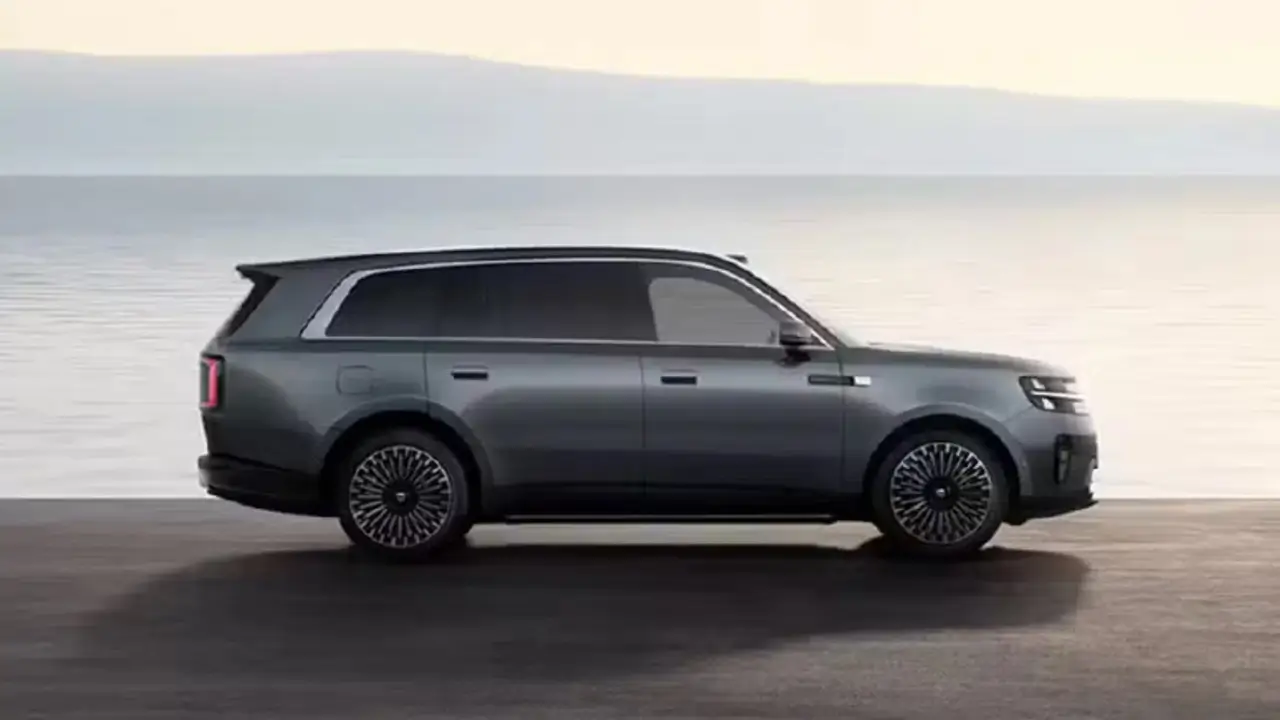
So where might we see this fuel-gauge tech first? Chinese auto media reports that Xiaomi has three new vehicles in the pipeline. The most likely candidate is a large, three-row SUV codenamed YU9. Described as an extended-range model over 5.2 meters long, it’s a perfect fit. They are also reportedly working on an updated Xiaomi SU7 with hardware and software tweaks, plus a high-performance, dual-motor YU7 GT that’s rumored to push over 1,000 horsepower. This product expansion is built on a solid foundation. Xiaomi has been on a roll, delivering 46,249 new-energy vehicles in November 2025 alone and surpassing its annual target of 350,000 units well before the year’s end. Since launching their first car in April 2024, they’ve already delivered over half a million vehicles, proving they are a serious player in a crowded field alongside giants like BYD and Tesla. Xiaomi’s journey into cars is turning out to be a fascinating watch. They started strong with a compelling EV, and now they’re wisely branching out. This patent is more than just a patent; it’s a statement of intent to compete across the board, not just in one corner of the new-energy market.