
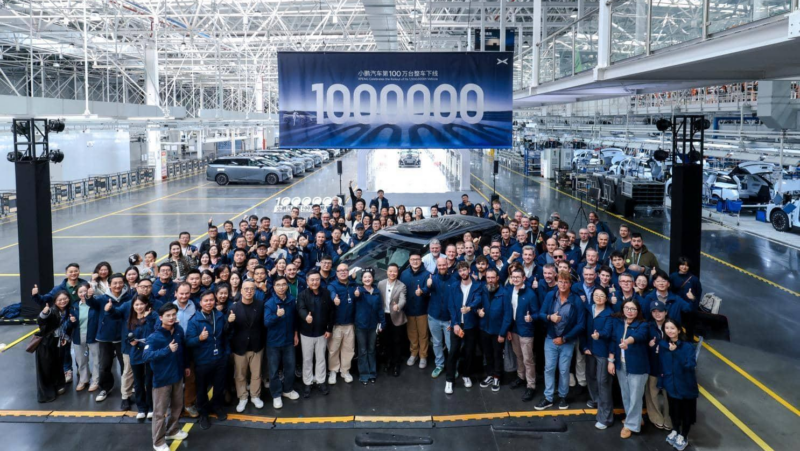
Xpeng has officially joined China’s elite ‘million car club,’ a huge milestone for the EV startup. But the real story isn’t just the number; it’s the speed. Getting to the first 500,000 vehicles took a grueling 82 months. The next 500,000? Just 14. That’s a serious acceleration, and a huge chunk of that momentum comes from one surprisingly affordable car: the Mona M03.
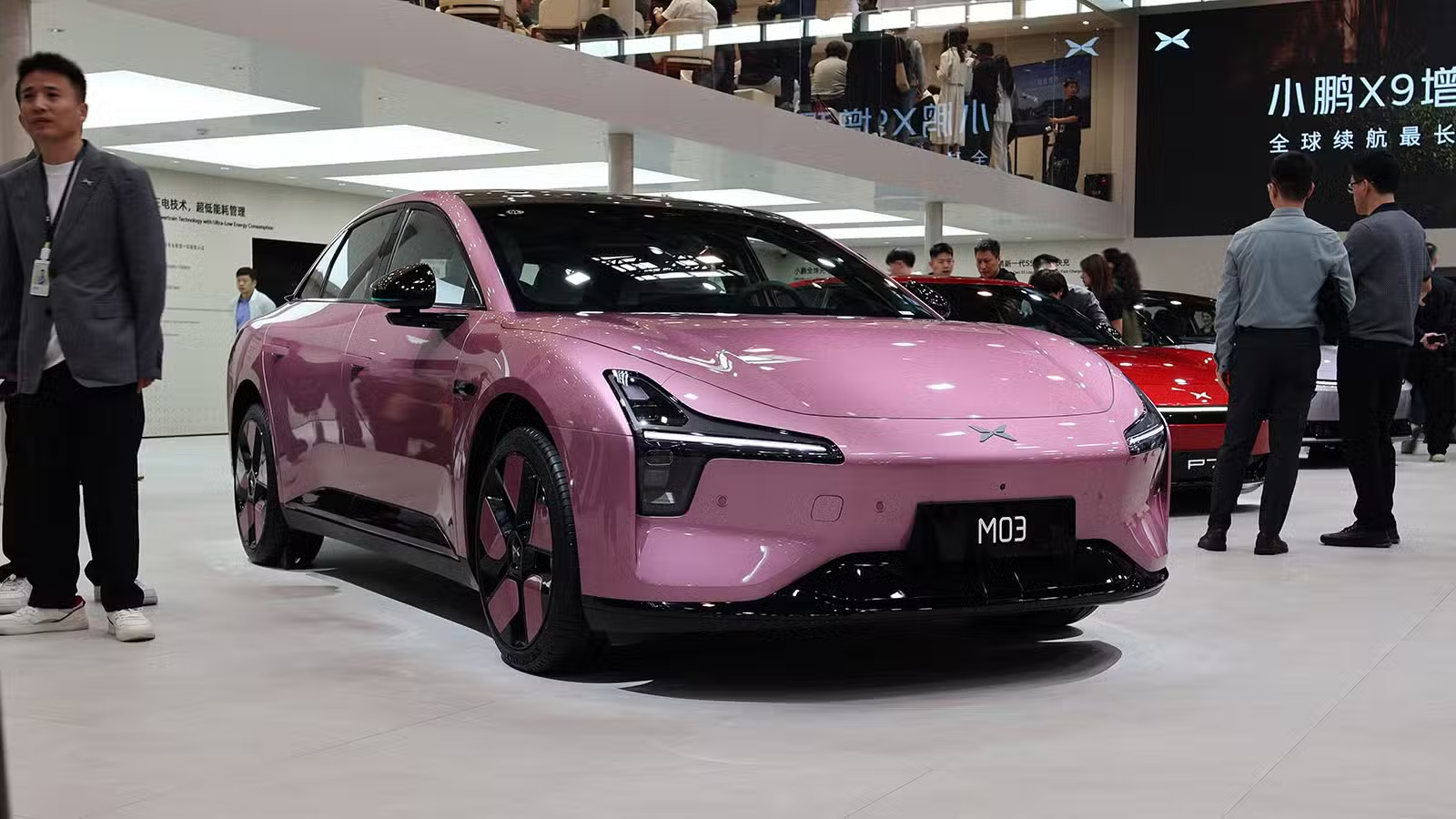
The Mona M03: Hitting the Sweet Spot
Launched just last year, the Mona M03 has been a runaway success. It accounts for a fifth of Xpeng’s total sales, with 200,000 units delivered in the same 14-month period it took the company to produce half a million cars. It’s not a high-end supercar, but a practical, accessible EV that connects with everyday drivers. Xpeng didn’t just build another premium model; they built a car that a massive new audience could actually afford, and it paid off.
Navigating a Crowded Field
Xpeng isn’t alone in this race. Among China’s EV startups, Li Auto hit the million-vehicle mark first, largely thanks to its smart use of extended-range technology. More recently, Stellantis-backed Leapmotor also crossed the threshold. Meanwhile, Xiaomi Auto is showing incredible speed, hitting its first half-million deliveries in about 20 months and is on track to reach a million faster than anyone else. Nio is also knocking on the door, with over 913,000 cars delivered. The company is almost certain to join the million club by the year’s end, especially with sub-brands like Firefly helping out.
The Great Debate: Pure Electric vs. Hybrids
So, what separates the players? It’s all about the powertrain strategy. Li Auto and Leapmotor found a shortcut to the mainstream by focusing on extended-range EVs (EREVs). These cars use a small gasoline engine as a generator to charge the battery, which eliminates range anxiety and keeps costs down due to smaller battery packs. It’s a formula that has resonated with buyers, even if it’s not a ‘pure’ electric experience. This made it easier for them to scale, while Xpeng, Nio, and Xiaomi have been pushing pure EVs, a tougher path. But the market is shifting. Xpeng has already started building its own extended-range models, and Xiaomi is planning a similar move. This leaves Nio as potentially the last major Chinese startup sticking exclusively to pure electric vehicles, a bold strategy in a market that loves flexibility. It’s a high-stakes bet, similar to Li Auto’s own gamble on a pure-electric SUV, proving that even the hybrid champs see a battery-only future.