
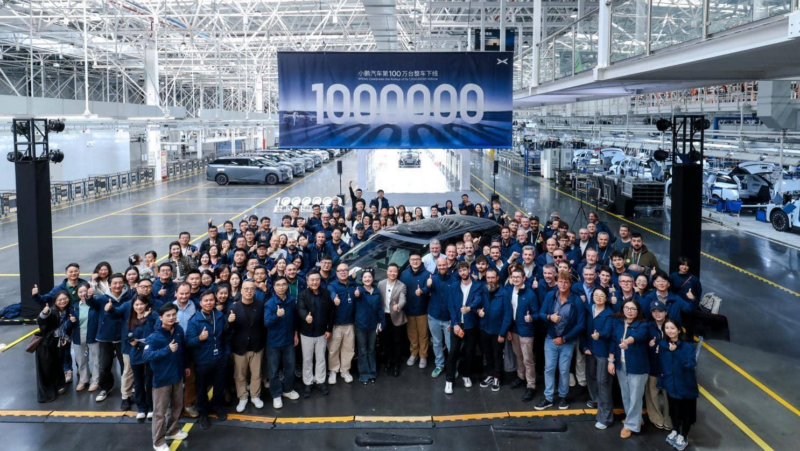
XPeng has just blown past a massive milestone, rolling its 1,000,000th vehicle off the production line. What’s truly staggering isn’t just the number, but the incredible speed. While the first 500,000 cars took the company 82 months to build, the next half a million took just 14 months. That’s not just growth, it’s a full-throttle acceleration that speaks volumes about the brand’s momentum in China’s hyper-competitive EV market.
The Mona M03: The People’s Champion
A huge part of this success story comes down to one model: the Mona M03. Launched just last year, this affordable EV has been a runaway hit. It accounts for a fifth of XPeng’s total sales, with 200,000 units delivered in the same 14-month period it took the company to produce its second half a million vehicles. The M03 proves a critical point in the EV world: while flashy, high-performance flagships grab headlines, it’s often the accessible, practical models that drive real volume and push a brand into the mainstream.
Joining the “Million Club”
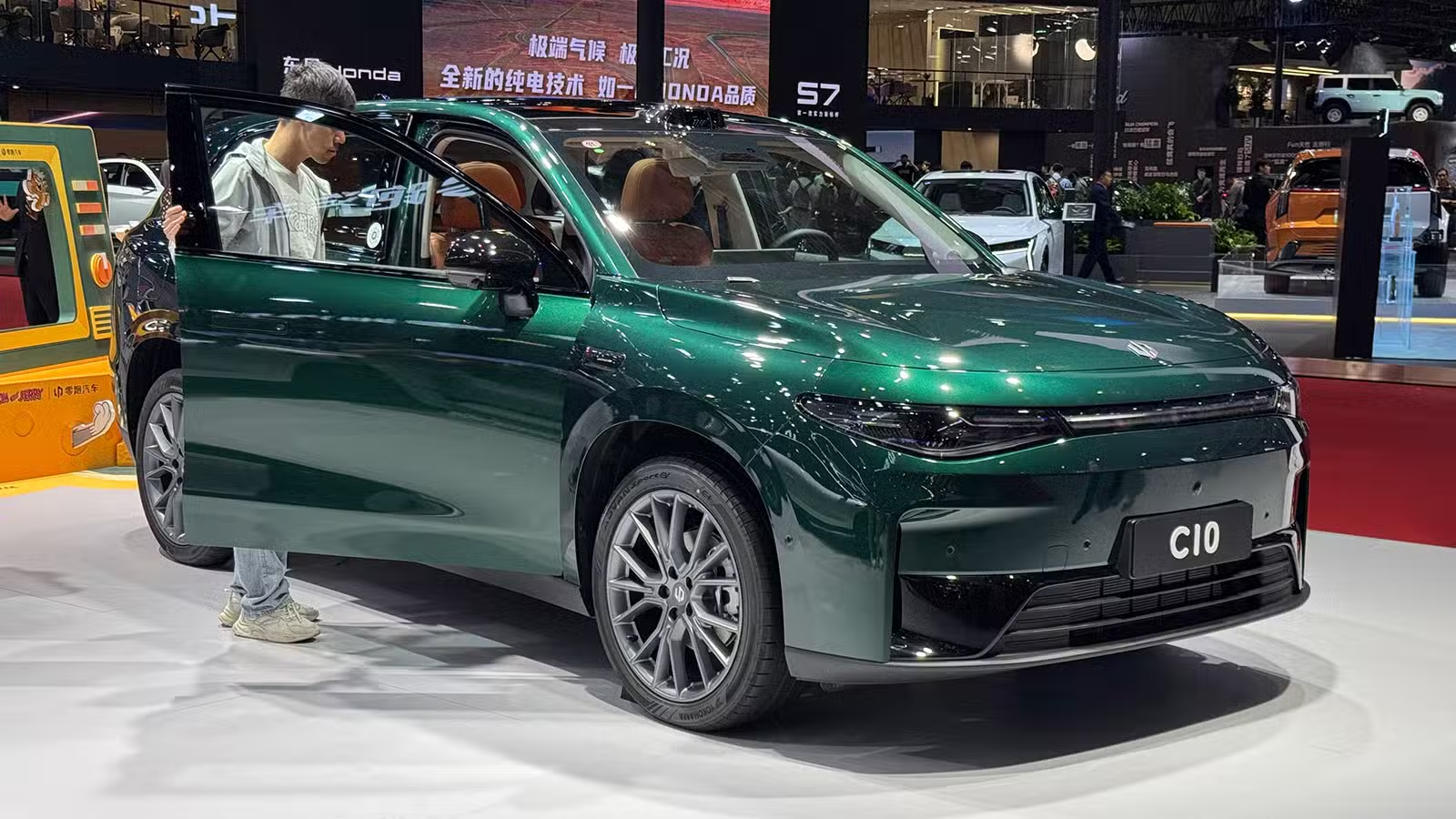
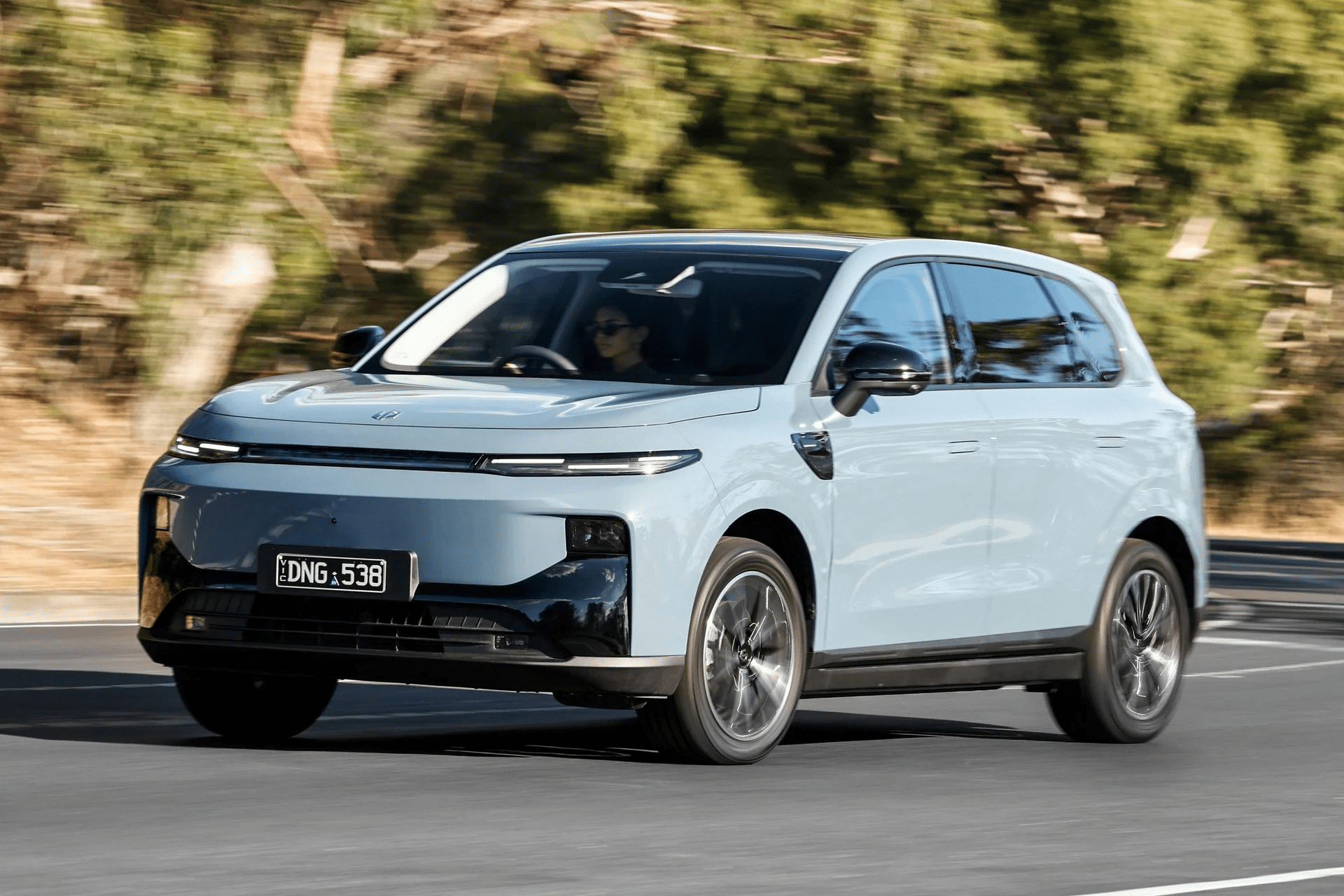
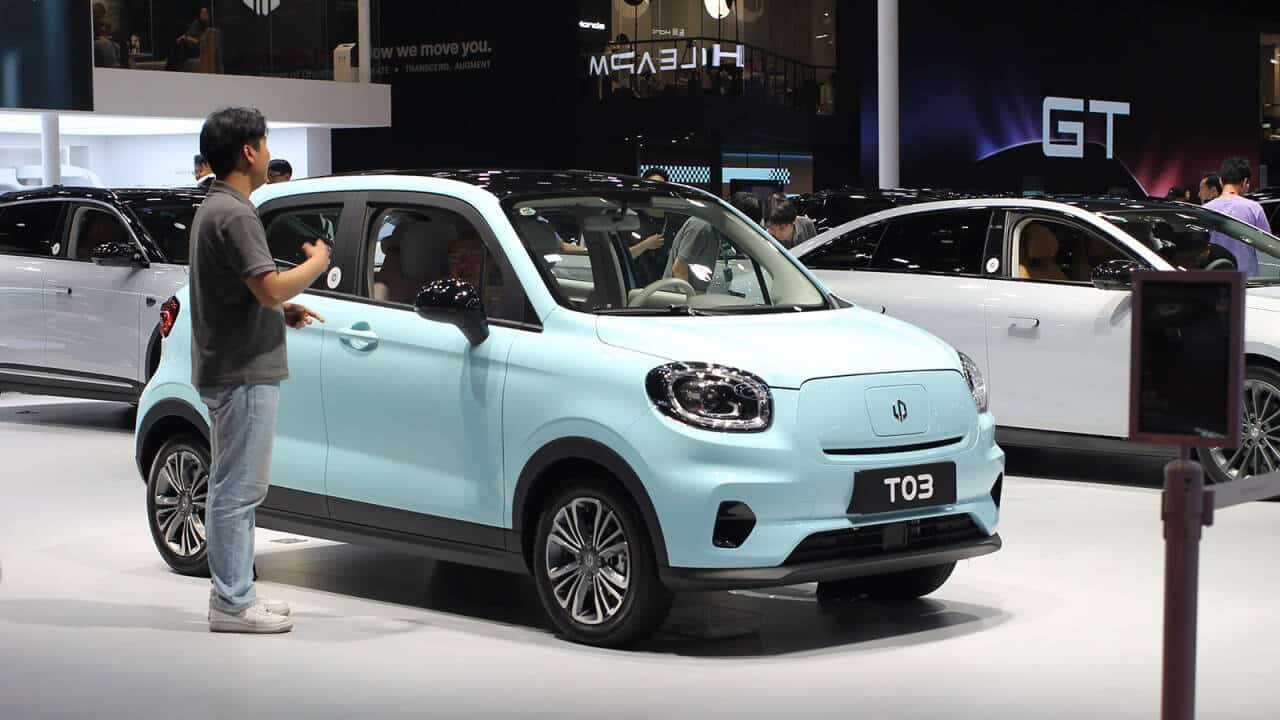
XPeng is the latest, but not the first, Chinese EV startup to join this exclusive club. Li Auto, with its focus on extended-range EVs (EREVs), was the first to cross the million-vehicle mark last year. Stellantis-backed Leapmotor followed suit in September. The strategy here is key. Both Li Auto and Leapmotor built their success on EREVs, which use a smaller battery paired with a gasoline generator. This clever setup slashes costs and eliminates the range anxiety that still holds many buyers back from going all-electric, giving them a quicker path to a million sales.
Meanwhile, rivals like Xiaomi Auto are proving to be formidable players. Despite being a newer entrant, it took them only 20 months to hit 500,000 deliveries, signaling they could reach their first million faster than anyone before them.
The Pure-Electric Gamble
Until now, XPeng, Xiaomi, and Nio have stuck to a pure-electric strategy. It’s a tougher road. Building only battery-electric vehicles (BEVs) means convincing customers to embrace a new way of living with their cars, without the safety net of a gasoline engine. This makes hitting the million-unit milestone a much steeper climb compared to hybrid-heavy competitors.
Nio is right on the edge of its own million-vehicle moment. With over 913,000 cars delivered by the end of October, it’s almost certain to join the club before the year is out. But the landscape is shifting. XPeng has already begun developing extended-range models, and Xiaomi has hinted at its own EREV lineup for next year. This strategic pivot could leave Nio as one of the last major Chinese startups standing firm on a pure-electric vision. It’s a bold stance, and only time will tell if it pays off in a market that seems to reward flexibility.