
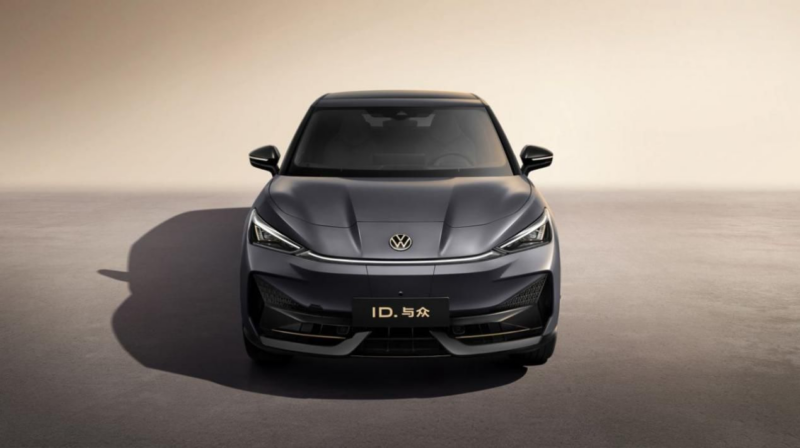
Volkswagen is flipping the script. Its first vehicle built on the China Electrical Architecture (CEA), the ID.Unyx 07, is slated for production on December 31 at Volkswagen Anhui. What’s remarkable isn’t just the car, but the speed. Developed largely by a Chinese team, the entire vehicle, from its digital backbone to final integration, was completed in just 18 months. In Europe, a similar project would have taken much longer.
This signals a massive shift in Volkswagen’s strategy, embracing the lightning-fast pace of the Chinese EV market. It’s a move from being a teacher to becoming a student.
Powering the Future with Chinese Tech
The secret sauce is the CEA platform, a joint effort with Xpeng. Han Sanchu, CEO of Cariad China, laid out an ambitious roadmap. After CEA 1.0 debuts this year, version 2.0 will arrive in 2027 with multi-powertrain support. Version 3.0, planned for 2029, will dive deeper into System-on-Chip (SOC) development, creating a rapid two-year upgrade cycle that’s common in the tech world but revolutionary for legacy auto.
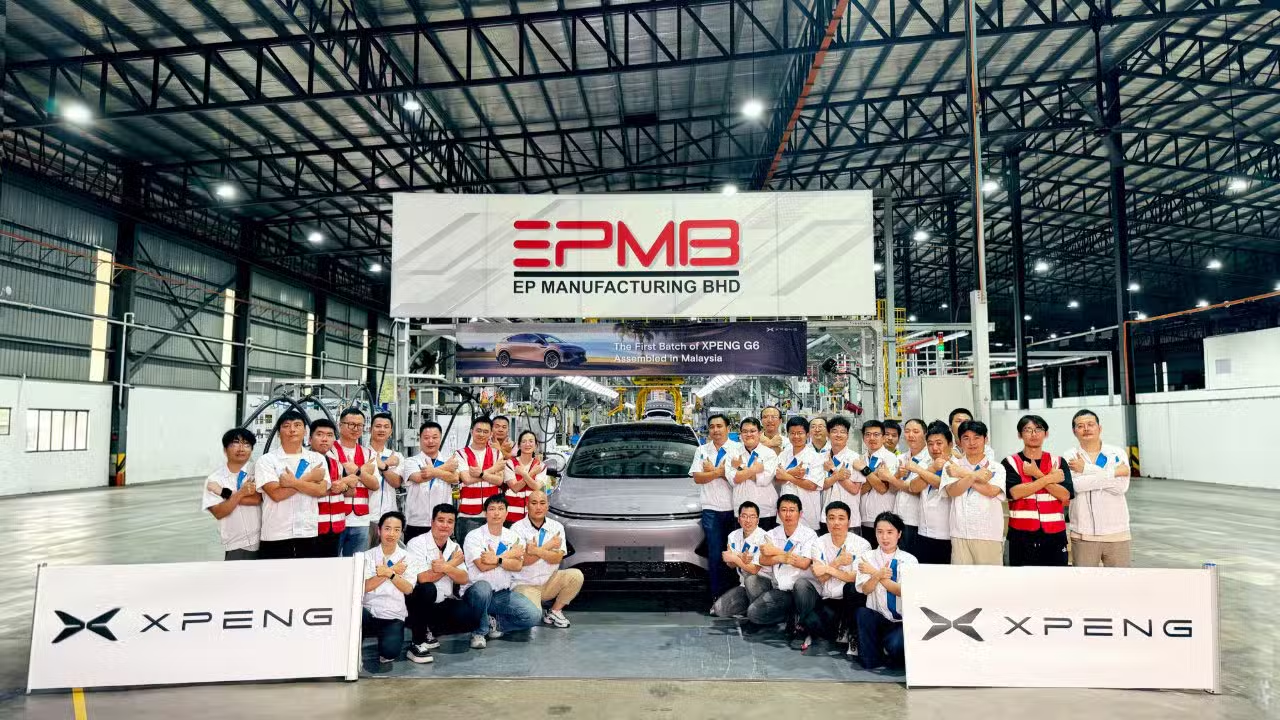
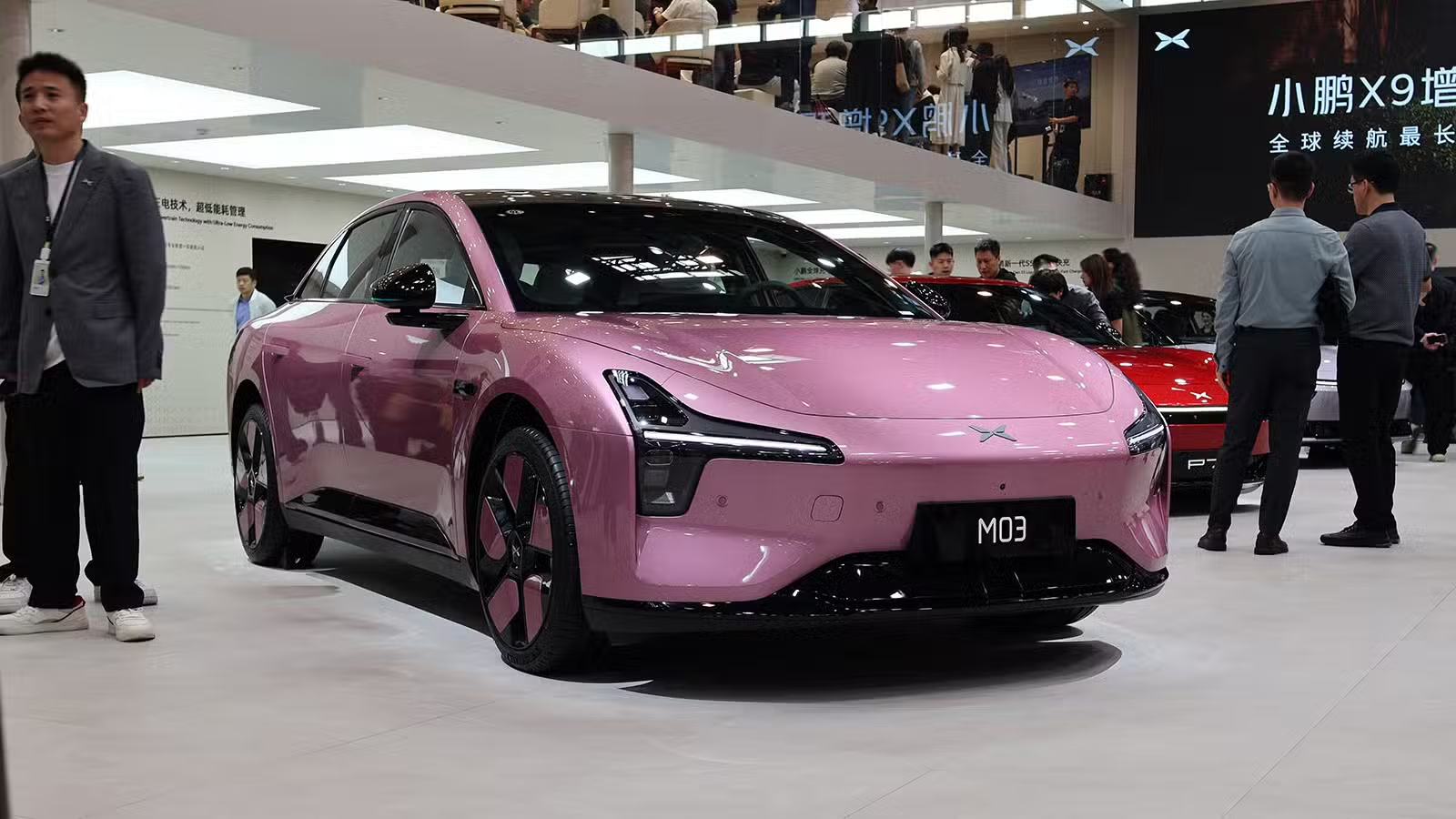
The Volkswagen and Xpeng partnership started back in July 2023, when VW invested $700 million for a stake in the Chinese EV maker. The collaboration quickly expanded beyond a simple platform share. The CEA architecture itself is a lean, modern system. It uses a regional control and quasi-central computing design, which cuts the number of in-vehicle controllers by 30%. For drivers, this means a less complex car, lower costs, and the ability to get meaningful over the air (OTA) updates for both the smart cockpit and autonomous driving features.
A Web of Powerful Alliances
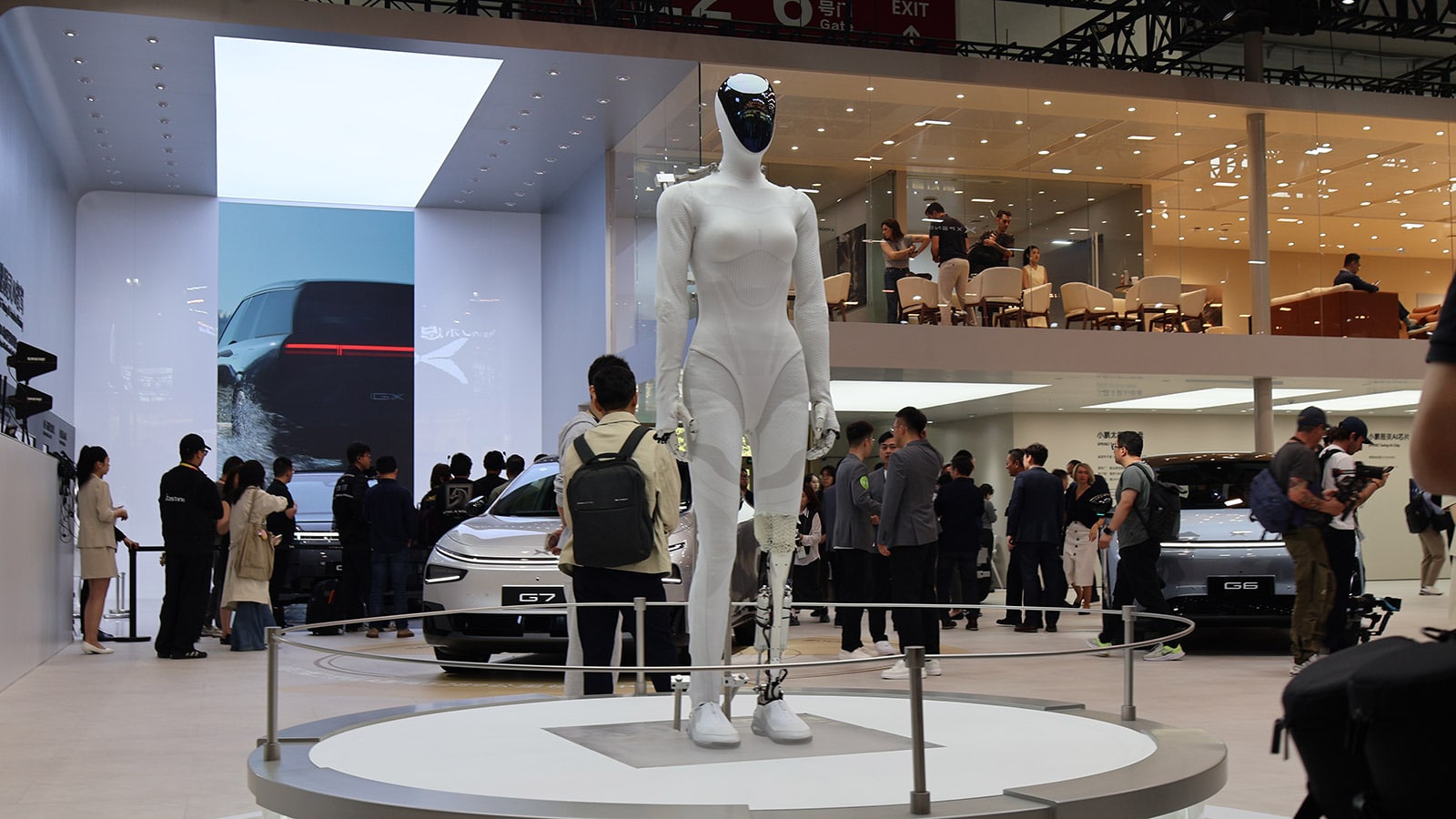
VW isn’t just partnering with Xpeng. The German giant is building a network of alliances in China, working with established players like SAIC and FAW, and tech innovators like Horizon Robotics. At Xpeng’s recent Technology Day, CEO He Xiaopeng confirmed that VW would adopt Xpeng’s self-developed Turing AI chip. This is a huge vote of confidence in Chinese automotive technology.
The collaboration with Horizon Robotics is also bearing fruit. The CEO of Carizon, the VW, Horizon joint venture, announced a new self-developed chip based on Horizon’s BPU architecture. This powerhouse will deliver 500,700 TOPS of computing power, enough to handle future demands of advanced vision systems and large language models. Crucially, it will be fully compatible with the CEA platform, enabling everything from L2+ assisted driving to L3/L4 autonomous capabilities.
A New R&D Powerhouse in China
Volkswagen has spent the last three years completely overhauling its R&D system in the country. The Volkswagen China Technology Company (VCTC) in Hefei became fully operational in January 2024 and now stands as the company’s largest research and development hub outside of Germany. This isn’t just an outpost, it’s the new center of gravity for VW’s intelligent vehicle development.
The plan is aggressive. Starting in 2026, the first vehicles with the new CEA platform and advanced driver assistance will hit the market, including the recently previewed ID. Era EREV crossover. By 2027, VW intends to launch over 20 electrified models. By the end of the decade, that number will grow to around 30, covering nearly every segment of the market. It’s a bold commitment, proving that to win in the EV era, you have to build in China, for China, and now, with China.