
A New Benchmark in Hybrid Tech
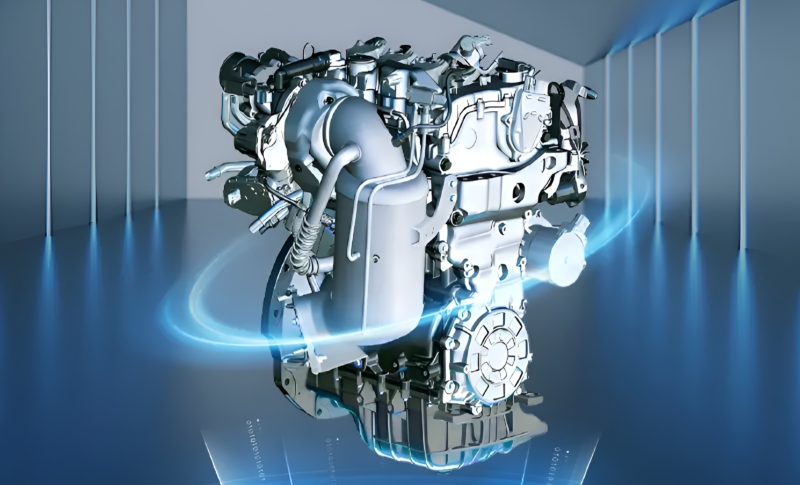
In the relentless race for engine efficiency, a new leader has emerged from China. Dongfeng Motor just pulled the covers off its Mach 1.5T hybrid engine, and the numbers are impressive. It has officially achieved a thermal efficiency of 48.09 percent, making it the first production-intended hybrid gasoline engine in China to break the 48 percent barrier.
So, what does this engineering figure actually mean? Simply put, thermal efficiency measures how much of the energy in gasoline gets converted into power that moves the car, versus how much is lost as wasted heat. For decades, a typical gas engine hovered around 30,35 percent. Dongfeng’s new figure means this engine wastes significantly less fuel, stretching every drop further than its competitors.
Smarter, Not Harder
To hit this milestone, Dongfeng’s engineers didn’t just tweak one or two components; they rethought the entire system. The Mach 1.5T uses a high-compression ratio of over 15.5:1, a high-energy ignition, and a powerful 500-bar fuel injection system. In simple terms, the engine squeezes the air and fuel mixture more tightly and ignites it more effectively, ensuring a faster and more complete burn.
It’s also designed specifically for hybrid use. A variable-geometry turbocharger and electric variable valve timing help the engine “breathe” perfectly whether you’re navigating stop-and-go city traffic or cruising on the highway. Dongfeng also focused on reducing internal friction with features like an integrated electric oil pump and a special thermal-spray coating on the cylinder bores. All these small innovations add up to a big gain, allowing the engine to operate in its most efficient range more than half the time.
Shaking Up the Leaderboard
For context, Dongfeng’s 48.09 percent figure puts it ahead of some of the most respected names in the business. Toyota’s highly regarded Atkinson-cycle hybrid engines, found in cars like the Prius, typically operate at around 40 to 41 percent efficiency. Even domestic rival BYD, a leader in China’s New Energy Vehicle market, has a lineup of powerful hybrid engines that top out around 46.5 percent.
This achievement signals a major shift in the Chinese auto market, where automakers are under pressure to meet strict fuel consumption standards while satisfying consumer demand for powerful, low-emission vehicles. We’ll likely see this engine appear in upcoming Dongfeng models, including those from its premium Voyah brand. The company claims this engine can boost a vehicle’s range by about 10 percent on the same amount of fuel, delivering better performance and lower running costs for drivers. It’s a clear statement that while the future may be electric, the internal combustion engine still has plenty of innovation left in the tank.