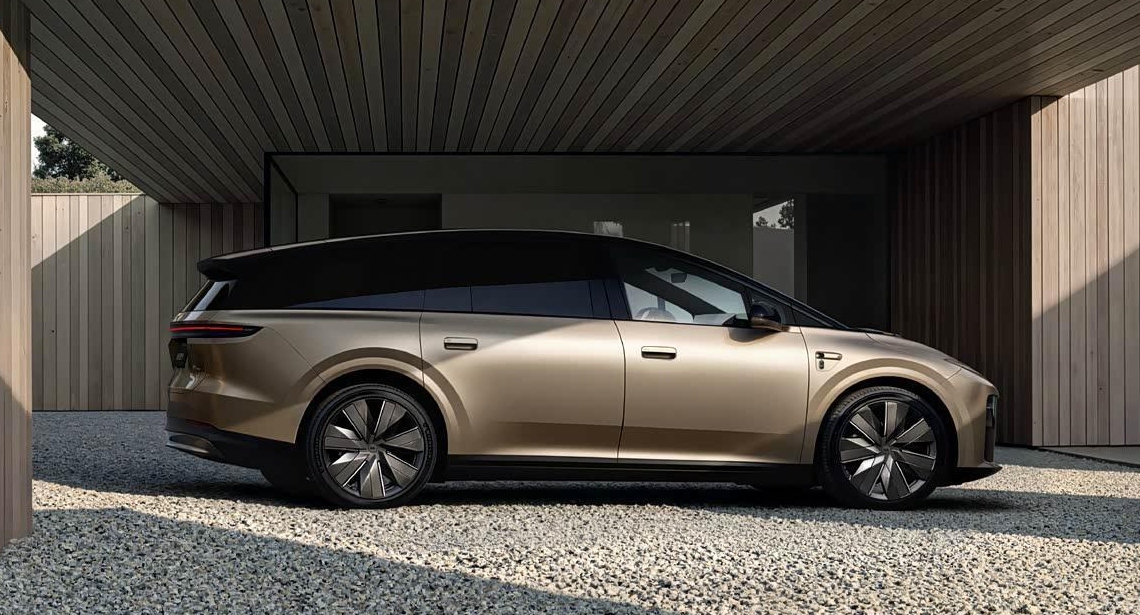

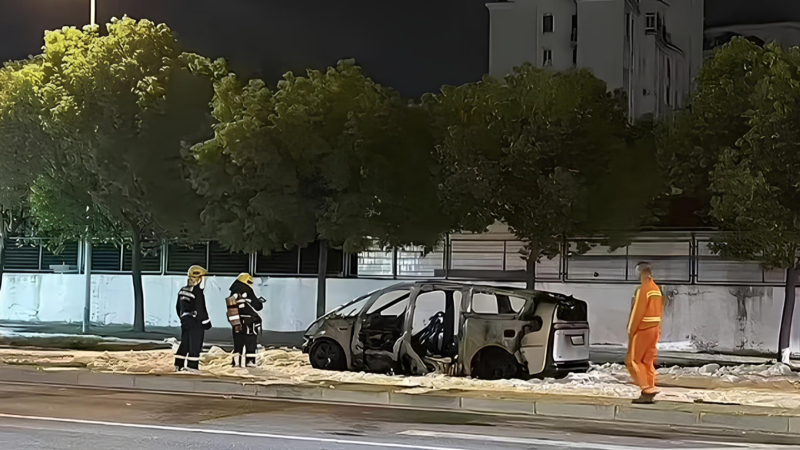
Li Auto is recalling over 11,000 of its 2024 Mega electric MPVs after a fire incident in Shanghai, but the company is pointing the finger at faulty coolant, not the battery cells. The move, affecting 11,411 vehicles, is a massive and expensive response to a problem that could undermine confidence in the brand’s flagship all-electric vehicle.
The recall, set to begin on November 7, 2025, targets vehicles produced between February and December of 2024. According to Li Auto, the issue isn’t the battery itself, which is supplied by industry giant CATL. Instead, the anit-freeze in the affected batch of cars has inadequate anti-corrosion properties. This can, over time, eat away at the aluminum cooling plates that manage heat for both the power battery and the front motor controller.
For owners, the initial signs of trouble are fault lights on the dash, reduced power, or the vehicle failing to start. But in the worst-case scenario, the coolant leak can trigger a thermal runaway in the battery pack. That’s the uncontrolled chain reaction that leads to an EV fire, a major safety hazard that every automaker is desperate to avoid.
A Proactive, If Costly, Fix
To its credit, Li Auto is not cutting corners. The company has committed to replacing the coolant, the entire power battery, and the front motor controller in all 11,411 vehicles, free of charge. This is a huge undertaking, signaling to customers that it’s taking the threat seriously. It’s a bold move for the company, especially as this is a major test for its flagship EV.
In the meantime, Li Auto is leveraging its connected vehicle technology. A cloud-based early warning system is actively monitoring the fleet for signs of coolant leakage. The system actually sent alerts about the Shanghai vehicle approximately four hours before the fire started. While the company admits it failed to act decisively on that initial warning, a misstep it attributes to having no prior experience with non-collision fires, it’s now using the system to get ahead of potential incidents. If the system detects a risk, Li Auto’s customer service will contact the owner to arrange immediate roadside assistance.
Not the Battery Cells, Li Auto Claims
In a detailed statement, Li Auto was quick to defend its battery supplier. The company insists that its cloud data showed all cell parameters were normal right before the incident, effectively ruling out a defect in the battery cells themselves. This is a critical point, as a problem with CATL cells would send shockwaves through the entire industry. The final verdict still rests with national authorities, who are conducting a full investigation.
The company also addressed other user concerns, confirming that the Mega’s doors automatically unlocked after the accident. All its vehicles also have mechanical emergency pull handles to ensure occupants can always get out. This focus on practical safety measures is becoming a key battleground for automakers, with some, like the NIO Firefly, making it a central part of their design.
Lessons Learned from the Fire
Li Auto’s decision to issue a recall before the official investigation is complete is a strategic one. The company says, “if a risk is identified, we will never wait for a conclusion before taking action.” This proactive stance is designed to build trust, even if it comes at a significant cost.
This incident serves as a wake-up call, highlighting that an EV’s safety depends on more than just its high-profile components. From coolant chemistry to the algorithms in a cloud monitoring platform, every part of the ecosystem matters. Li Auto’s public transparency and aggressive fix are a lesson for other automakers, including those backed by tech giants like Huawei’s AITO, on how to handle a crisis in the fast-moving and highly scrutinized world of modern EVs.
For now, owners of the affected Mega MPVs are being asked to schedule their free replacement service as soon as they are invited, with priority given to older vehicles and any car that shows a coolant-related warning. Li Auto assures owners of other models that they are not affected, as the faulty coolant was only used in a specific batch of its 2024 Mega.