
BYD is relentlessly expanding its electric vehicle empire, and the latest move is a big one. Regulatory filings have just uncovered a new all-electric version of its Seal 07 sedan, and it’s packing a serious punch with a 240 kW motor and advanced driver-assist technology. This isn’t just a new trim level; it’s a statement of intent, signaling that BYD is ready to dominate the mid-size electric sedan segment.
More Power for the People
Right off the bat, the most exciting detail is the powerplant. The Seal 07 EV will feature a single TZ200XYAT electric motor, built in-house by BYD, pumping out a healthy 240 kW (about 322 horsepower). This is a significant figure for a mainstream sedan, suggesting that it will be anything but sluggish. We’re seeing a clear trend of BYD unleashing powerful motors across its lineup, and the Seal 07 EV is the latest beneficiary. While acceleration times haven’t been released, that kind of power typically translates to a quick, responsive, and satisfying driving experience.
Energy is stored in a lithium iron phosphate (LFP) blade battery from Zhengzhou Fudi Battery, one of BYD’s own suppliers. This highlights BYD’s incredible vertical integration. While the filing doesn’t spill the beans on battery capacity or range, the choice of LFP chemistry is a smart one. It’s known for its durability, safety, and lower cost compared to other chemistries, which should help keep the final sticker price competitive.
Brains to Match the Brawn
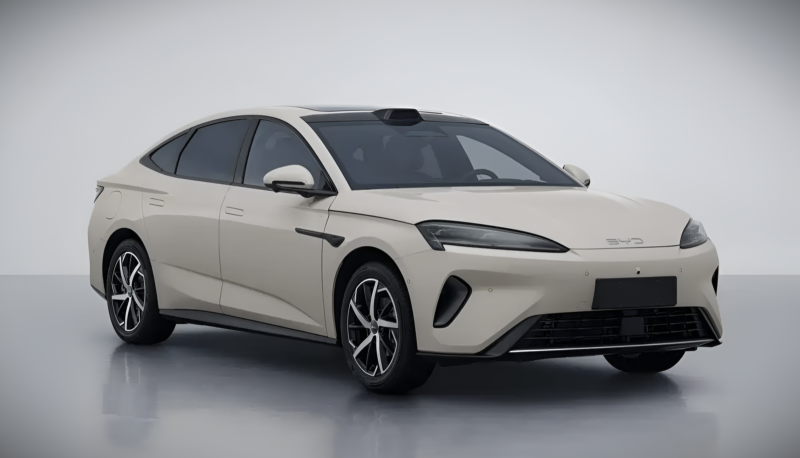
It’s not just about straight-line speed. The new Seal 07 EV is also getting a major tech upgrade, most noticeably with a roof-mounted LiDAR sensor. Think of LiDAR as the car’s super-powered eyes, feeding high-resolution 3D maps of its surroundings to the onboard computer. This enables a much more sophisticated level of driver assistance.
This hardware will power BYD’s “God’s Eye-B” (DiPilot 300) intelligent driving system. If you want to see what this system is capable of at its peak, just look at how BYD’s “God’s Eye” tech can pilot a supercar around a track without a driver. While the Seal 07 won’t be a track weapon, the underlying technology promises a very capable and safe commute. This combination of powerful hardware and sophisticated software is quickly becoming the standard in China’s fast-moving EV market.
Familiar Style, Evolved Platform
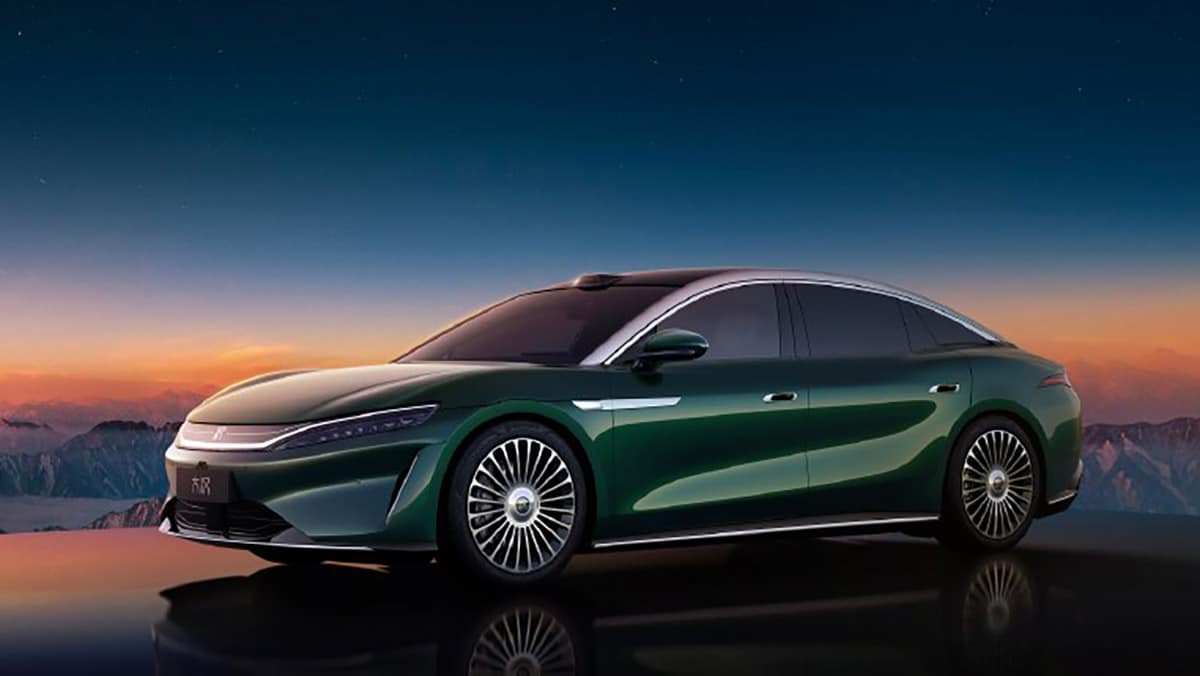
The Seal 07 EV doesn’t stray far from the established “Ocean Aesthetics” design language seen on its plug-in hybrid (DM-i) sibling. It features a clean, closed-off grille, sharp headlights, and a distinctive full-width taillight. It’s a handsome and modern look that fits well within the BYD family. The new EV shares its 4,995 mm length and 2,900 mm wheelbase with the hybrid but is slightly wider at 1,910 mm, giving it a more planted stance.
This strategy of offering multiple powertrains on a single platform is a cornerstone of BYD’s approach. It allows the company to cater to different buyers without developing entirely new vehicles. The Seal family itself is a great example, with multiple variants aimed at different segments, including the recently announced Seal 06 GT, which also gets a power boost and LiDAR.
The existing Seal 07 DM-i plug-in hybrid, which has been on the market since September 2025, is priced aggressively between 149,800 and 186,800 yuan (approximately $20,800–$26,000). While BYD hasn’t announced pricing for the new EV variant, it’s expected to land in a similar ballpark, putting it in direct competition with a host of other mid-size electric sedans in one of the world’s most competitive markets.