

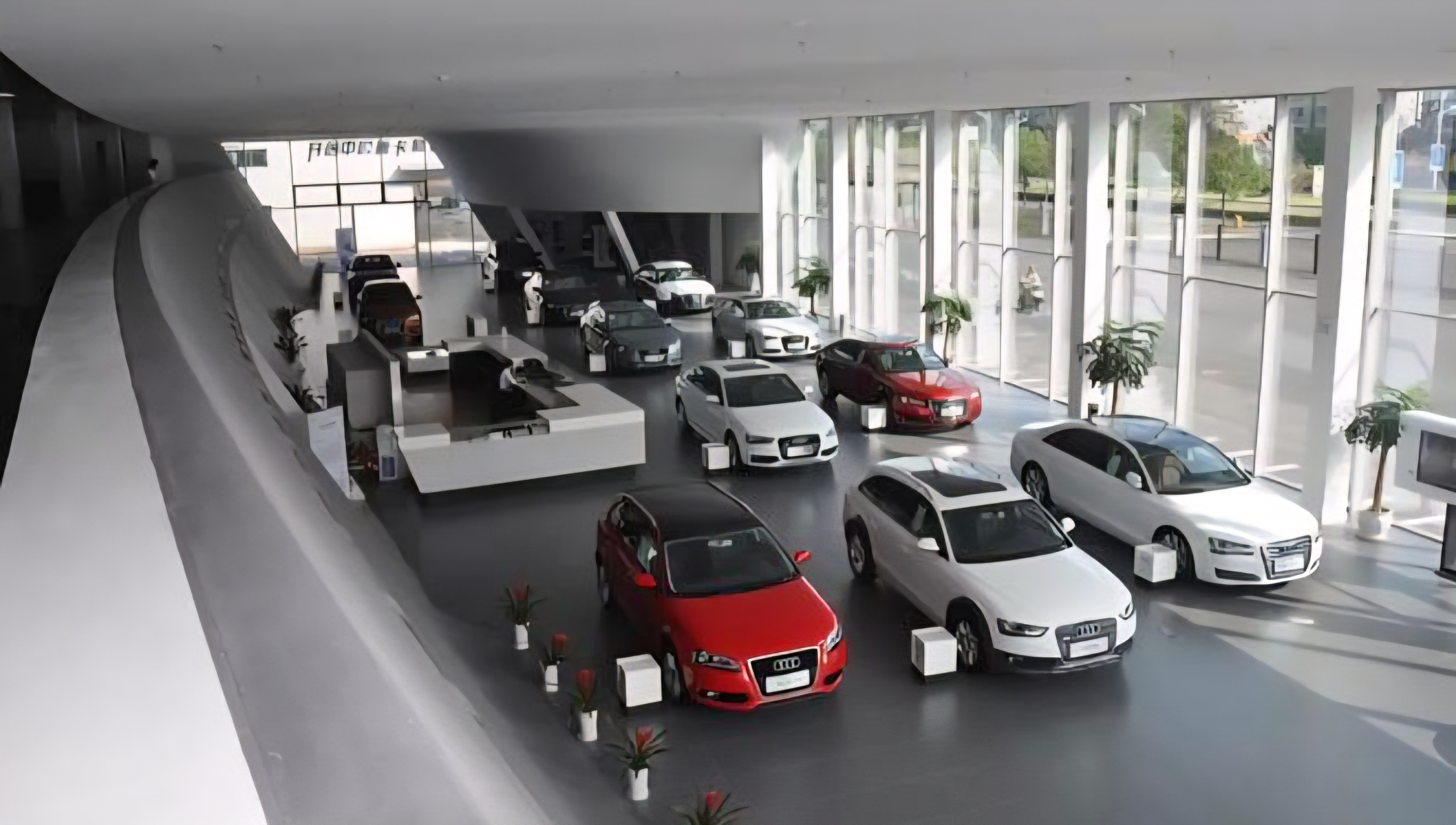
Audi’s Struggles in the Chinese Market
Audi, once a dominant player in China’s luxury car market, is facing significant challenges as sales decline and dealerships close their doors. Across provinces like Henan, Guangxi, Beijing, Jiangsu, and Zhejiang, several Audi dealerships have either suspended operations or had their authorizations revoked. This unsettling trend reflects broader issues within the brand’s strategy and the evolving Chinese automotive landscape.
Dealership Closures Leave Owners Stranded
The story of Audi owners in Kaifeng paints a vivid picture of the turmoil. In January 2026, reports surfaced that the Jin’ao Audi dealership had abruptly closed. Owners who had purchased multi-year maintenance packages, priced between 16,800 and 18,800 yuan (2,400 to 2,700 USD), found themselves unable to access the services they had paid for. Some had bought their cars just six months prior, leaving them in a frustrating predicament. Even dealership employees were left seeking unpaid wages, adding another layer of complexity to the situation.
FAW-Audi’s customer service confirmed that the dealership had withdrawn from its network on November 13, 2025. They advised owners to contact the store directly or pursue legal remedies, but for many, the damage was already done.
Audi’s Sales Decline Continues
2025 marked another tough year for Audi in China, with sales dropping 5% year-on-year to 617,500 units. This was the second consecutive year of declining sales for the brand. While FAW-Audi claims its gasoline-powered vehicles regained the top spot in China’s luxury car market, the reality is less rosy. Sales of its gasoline models fell 6.7% compared to 2024, totaling 570,100 units. This decline highlights the growing pressure Audi faces in a market increasingly dominated by electric vehicles (EVs) and local competitors.
Price Cuts and Promotions: A Desperate Move?
In response to the downturn, Audi has resorted to aggressive price reductions and promotions. The 2026 Audi A3 is now available starting at 106,700 yuan (15,300 USD), a staggering 40% discount. Similarly, the Audi Q3 and Q4 e-tron are being offered at starting prices of 131,800 yuan (19,000 USD) and 157,900 yuan (22,700 USD), respectively, representing a 50% discount. While these deals may attract budget-conscious buyers, they also raise questions about Audi’s ability to maintain its premium brand image.
Looking Ahead: Audi’s EV Push
Amid these challenges, Audi is pinning its hopes on its electric lineup. Later in 2026, FAW-Audi plans to launch the all-new Audi A6L and the Audi A6L e-tron, the brand’s first all-electric sedan built on the Premium Platform Electric (PPE) architecture designed specifically for the Chinese market. This move signals Audi’s commitment to embracing the EV revolution, but whether it can catch up to competitors like Xiaomi and Volkswagen remains to be seen.
The Broader Context: China’s EV Dominance
Audi’s struggles are emblematic of a larger shift in China’s automotive market. Local EV manufacturers are gaining ground, offering cutting-edge technology and competitive pricing. Brands like BYD and Leapmotor are redefining what consumers expect from electric vehicles, leaving traditional luxury brands like Audi scrambling to adapt.
Moreover, China’s regulatory environment and rapid pace of innovation are forcing automakers to rethink their strategies. Audi’s focus on EVs is a step in the right direction, but it will need to accelerate its efforts to stay relevant in this fiercely competitive market.
What’s Next for Audi?
Audi’s future in China hinges on its ability to navigate these challenges. The brand must rebuild trust with consumers, strengthen its EV offerings, and find a way to compete with local players who are rewriting the rules of the game. For now, Audi’s story serves as a cautionary tale for luxury automakers in the era of electrification and technological disruption.