
Quick Specs & Metrics
Audi’s sales in China dropped by 5% in 2025, totaling 617,500 units. Gasoline vehicle sales fell by 6.7%, with 570,100 units sold. Dealership closures and significant price cuts mark Audi’s struggle in a competitive market.
Audi’s Struggles in China
Audi, once a dominant force in China’s luxury car market, is facing significant headwinds. In 2025, sales dropped by 5% year-on-year, marking the second consecutive year of decline. The brand sold 617,500 units, a far cry from its peak years. Gasoline vehicle sales, which Audi claims regained the top spot in China’s luxury market, also fell by 6.7%, with only 570,100 units sold.
Dealership Closures and Consumer Impact
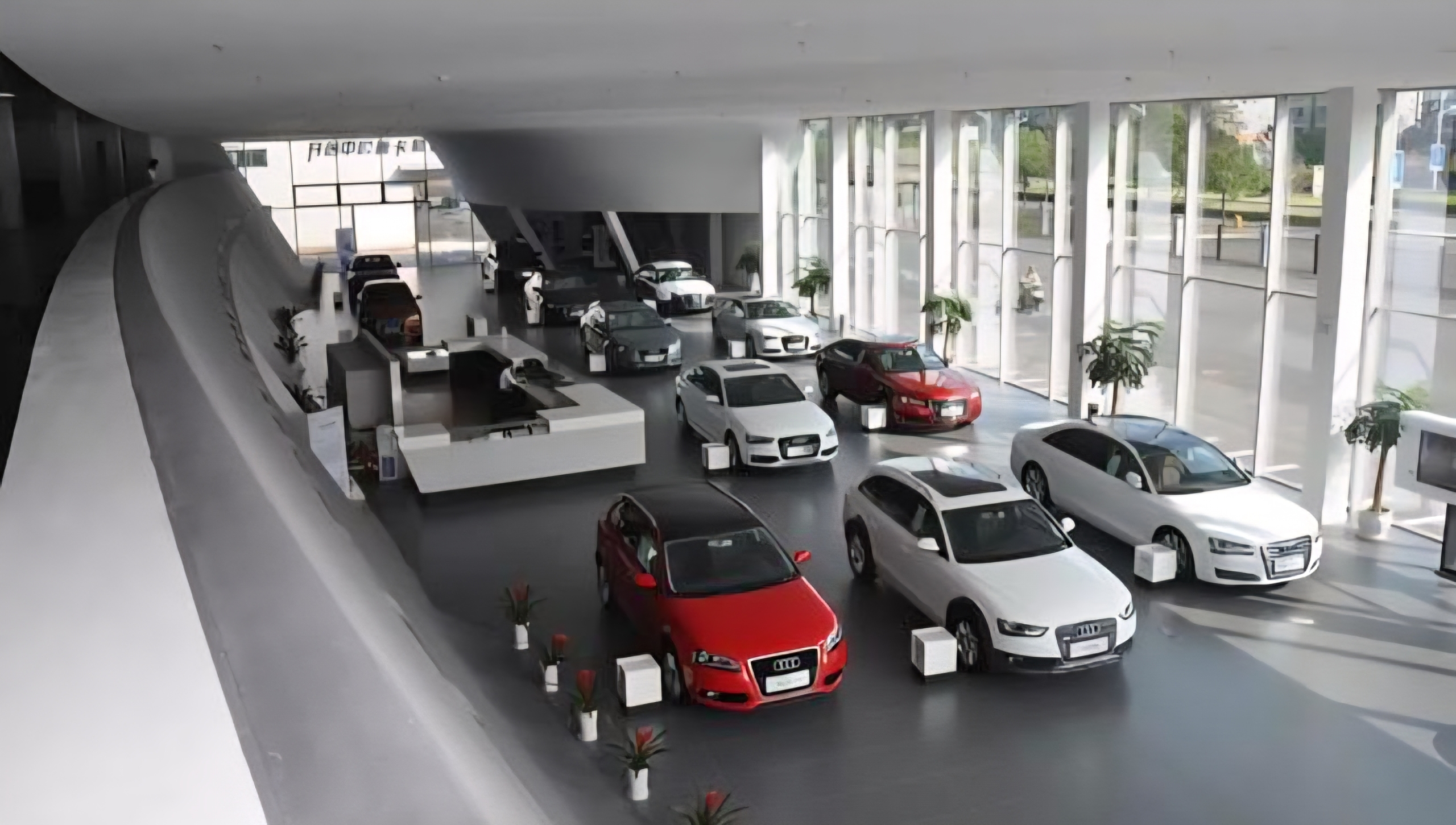
The downturn has hit Audi’s dealership network hard. Several dealerships in provinces like Henan, Guangxi, Beijing, Jiangsu, and Zhejiang have closed or suspended operations. In Kaifeng, owners who purchased multi-year maintenance packages worth 16,800 to 18,800 yuan (2,400 to 2,700 USD) found themselves stranded when the Jin’ao Audi dealership abruptly shut down. Employees, too, are seeking unpaid wages. FAW-Audi’s customer service confirmed the dealership exited the network in November 2025, leaving customers to seek legal remedies.
Price Cuts and Promotions
To counter falling sales, Audi has slashed prices aggressively. The 2026 Audi A3 now starts at 106,700 yuan (15,300 USD), a 40% discount. The Audi Q3 and Q4 e-tron are priced at 131,800 yuan (19,000 USD) and 157,900 yuan (22,700 USD), respectively, reflecting a 50% discount. These measures highlight Audi’s struggle to maintain its foothold in a market increasingly dominated by local EV players.
The Shift to Electrification
Looking ahead, Audi is betting big on electrification. The brand plans to launch the all-new Audi A6L and the Audi A6L e-tron, its first all-electric sedan based on the Premium Platform Electric (PPE) architecture, later in 2026. This move aligns with China’s rapid EV adoption, where brands like BYD and XPeng are setting new benchmarks.
Consumer Considerations
For potential buyers, Audi’s current predicament raises questions about long-term reliability and resale value. While the price cuts are tempting, the brand’s shrinking dealership network could complicate ownership experiences, especially for maintenance and warranty claims. On the flip side, the upcoming Audi A6L e-tron could be a compelling option for those seeking a premium EV with German engineering.
The Bigger Picture
Audi’s struggles reflect broader challenges for foreign automakers in China. The market is shifting rapidly towards EVs, and local brands are leveraging cutting-edge battery technology and aggressive pricing strategies. Audi’s success will hinge on its ability to adapt to these changes, offering competitive EVs while maintaining its luxury appeal.
Conclusion
Audi’s journey in China is at a crossroads. With declining sales, shuttered dealerships, and a pivot to electrification, the brand faces an uphill battle. However, its upcoming EV models could reignite interest if they deliver on performance, technology, and value. For now, Audi’s story serves as a cautionary tale of the challenges foreign automakers face in China’s fiercely competitive market.