
Quick Specs & Metrics
Project Value: 130 million USD
Phase 1 Area: 4.4 hectares
Phase 1 Capacity: 3 GWh annually
Phase 2 Area: 6 hectares (total 10 hectares)
Phase 2 Capacity: 6 GWh annually
BYD’s Strategic Move into Vietnam
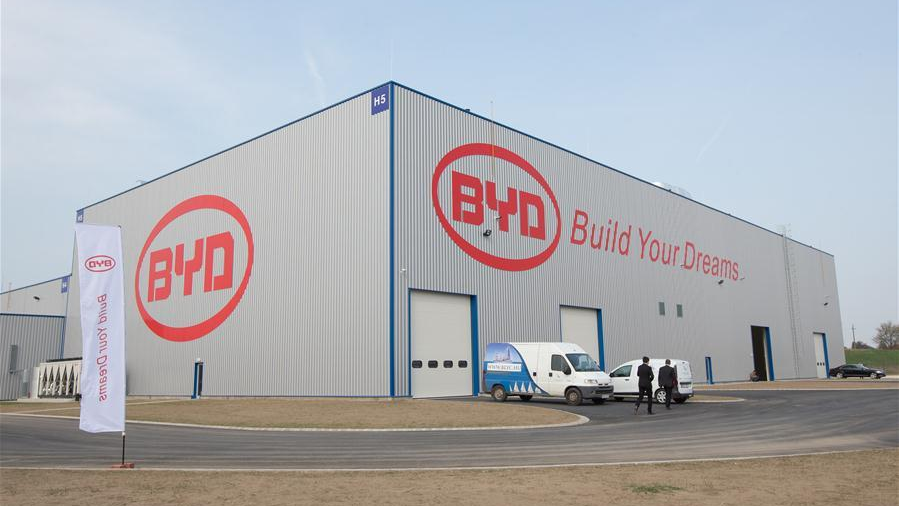
BYD, a powerhouse in electric vehicles and battery technology, has inked a deal with Vietnam’s Kim Long Motors to build a state-of-the-art EV battery factory. This 130 million USD project is a cornerstone of BYD’s global strategy, especially in Southeast Asia, where demand for electric vehicles is skyrocketing.
The factory will roll out in two phases. The first phase will focus on producing batteries for commercial vehicles like buses and trucks, with an annual capacity of 3 GWh. Once phase two kicks in, the factory will expand to 10 hectares and start manufacturing batteries for passenger vehicles, doubling the annual capacity to 6 GWh. This phased approach ensures BYD can quickly meet local demand while scaling up for future growth.
Why Vietnam?
Vietnam’s EV market is booming. Sales jumped from 4,040 units in 2022 to a staggering 79,800 in 2024. By the first 11 months of 2025, EV and hybrid sales hit 160,000 units, making up nearly 40% of the market. The Vietnamese government is pushing hard for net-zero carbon emissions by 2050, offering incentives like extended EV registration fee exemptions and subsidies for charging infrastructure.
For BYD, Vietnam isn’t just a market; it’s a strategic hub. The country’s free trade agreements with ASEAN and the EU mean components made there can be exported tariff-free to major markets like Thailand, Indonesia, and Malaysia. This gives BYD a cost advantage and streamlines its regional supply chain.
A Localized Approach
Kim Long Motors, a Vietnamese manufacturer specializing in commercial vehicles, will handle construction costs, while BYD provides technical expertise. This partnership underscores BYD’s commitment to localization. The company already has an electronics factory in Phu Tho province and plans to invest over 250 million USD in an auto parts factory. With this new battery plant, BYD is building a comprehensive ecosystem in Vietnam, covering everything from sales to manufacturing.
Competition and Collaboration
BYD isn’t the first Chinese battery maker to enter Vietnam. Gotion High-tech has partnered with VinES, a subsidiary of VinGroup, to build the country’s first lithium iron phosphate battery factory. Other Chinese firms, like Sunwoda, have also set up shop. While local brand VinFast dominates Vietnam’s EV market with a 99% share, the country’s battery supply chain is still nascent, creating opportunities for foreign players.
Global Implications
BYD’s Vietnamese factory is more than a regional play; it’s a key piece of its global expansion. The company aims to sell 1.3 million vehicles overseas by 2026, and Vietnam’s tariff advantages make it an ideal export hub. With production bases in Hungary, Brazil, and Thailand, BYD is rapidly becoming a global EV leader.
Vietnam’s strategic location and favorable policies are attracting other automakers too. Chery, Geely, SAIC-GM-Wuling, and Great Wall Motors have all established local partnerships. This collective effort is transforming Vietnam into a major player in the global EV industry.
What’s Next for BYD?
BYD’s Vietnamese factory is a testament to its ambition and adaptability. By localizing production, leveraging regional trade agreements, and tapping into Vietnam’s growing EV market, BYD is positioning itself for long-term success. As the company continues to expand its global footprint, its ability to innovate and adapt will be crucial in maintaining its competitive edge.
For consumers, this means more affordable and accessible EVs. For BYD, it’s another step toward becoming a dominant force in the global automotive industry.