
The automotive world is buzzing with rumors that BYD, the undisputed heavyweight champion of new energy vehicles, is seriously considering a move into competitive motorsports. Think Formula 1, the World Endurance Championship, maybe even the legendary 24 Hours of Le Mans. This isn’t just a casual thought; reports suggest BYD is exploring options from building its own teams to acquiring existing ones. It’s a bold ambition, and frankly, it makes a lot of sense for a brand that’s rapidly expanding its global footprint.
For years, motorsports have been a proving ground for automotive innovation and a powerful marketing tool. While European and American manufacturers have long dominated the scene, the ongoing shift towards hybrid powertrains perfectly aligns with BYD’s core expertise. Imagine the roar of a BYD-powered F1 car, or the endurance of their machines tackling the grueling challenges of Le Mans. It’s a narrative that could electrify their brand image worldwide, especially in markets like the US, where BYD currently faces import hurdles.
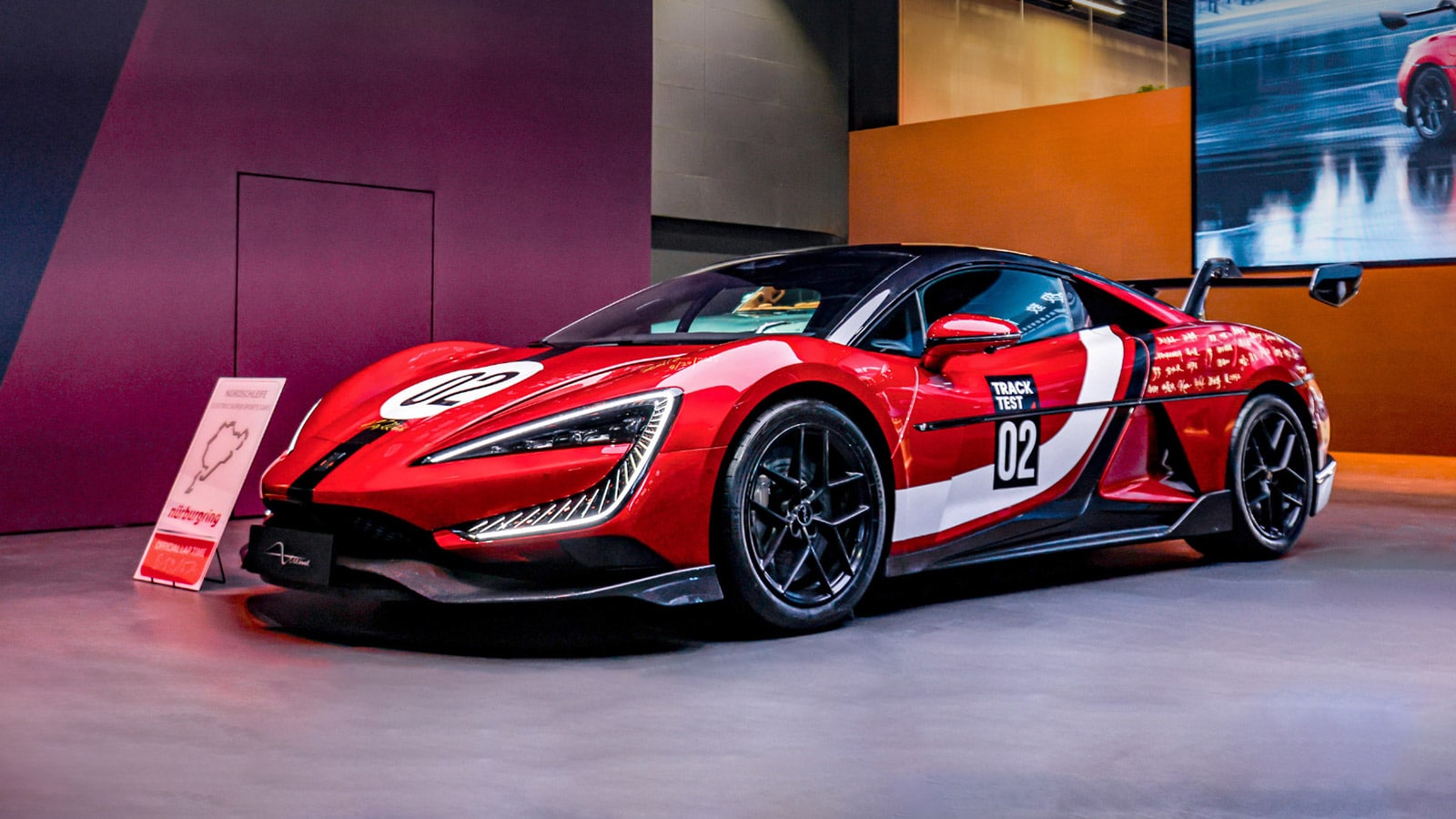
The potential financial commitment is staggering, of course. Entering Formula 1, for instance, can cost upwards of $500 million per season. That’s a serious investment, but for a company that has become the world’s largest NEV maker, it might be a calculated risk. We’ve seen BYD’s rapid ascent firsthand, with impressive technological leaps and a relentless product update cycle that leaves competitors scrambling. Their recent foray into the ultra-premium segment with the Yangwang U9 Xtreme, which shattered the 7-minute barrier at the Nürburgring, shows they aren’t afraid to push boundaries. This isn’t just about selling cars; it’s about building a legacy.
This potential motorsport push also comes at a fascinating time for the Chinese auto industry. We’re seeing Chinese EV makers mature at an astonishing pace, not just in terms of volume but in technological sophistication and global ambition. Companies like BYD, Xpeng, and Zeekr are no longer just competing on price; they’re innovating in battery tech, fast charging, and intelligent driving systems. Brands like Yangwang are even challenging established luxury players. The supply chain, bolstered by giants like CATL and their advancements in battery chemistry, is incredibly robust. The pace of development is relentless, with new models and technologies emerging almost monthly. Regulatory frameworks in China, while evolving, have also fostered this rapid growth, encouraging domestic innovation and production.
While F1 has historically been a tough nut to crack for new entrants, with established teams often wary of dilution, the FIA’s president has expressed enthusiasm for welcoming a Chinese manufacturer. The inclusion of new hybrid power rules in 2026, which specifically boost battery capacity, could provide a perfect entry point. It’s a strategic alignment that couldn’t be ignored. For BYD, this isn’t just about racing; it’s about global recognition, technological validation, and ultimately, shaping the future of mobility on a grand scale. We’ll be watching this space with bated breath.