
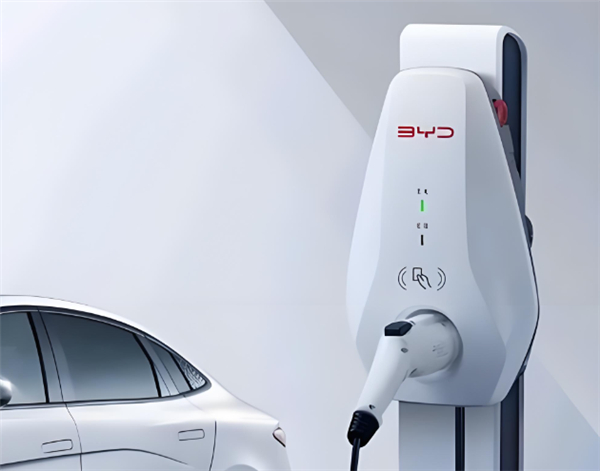
BYD just rolled out a cool new feature on its official app, letting EV owners in the same community share their home charging stations. Imagine this: you’re heading out for the day, and your charger sits idle. Now, you can let a neighbor use it, lining your pocket with a little extra cash and making sure those electrons are always flowing efficiently. Owners and users can hash out the details themselves, like charging times and fees, after swapping contact info right through the app.
This is a win-win for everyone. If you’ve got a home charging station, it’s a sweet, low-effort way to earn some passive income while maximizing resource use. For those without a personal charger, it means convenient, close-to-home charging that’s often cheaper than public fast-charging options, and you won’t be hit with extra transaction fees either.
How it Works on the BYD App: Simple Steps to Stay Juiced
Getting started with BYD’s new sharing service is straightforward:
- Open the BYD app and navigate to the home charging service page.
- Punch in your community details.
- Browse available neighboring charging stations.
- Connect with the owner and sort out your charging schedule and rates.
The Sharing Economy Rolls On: Not Just BYD
BYD isn’t the only player in China’s EV market tapping into this community-driven charging model. Brands like Nio and Xpeng have also integrated similar shared charging functions into their owner apps. These systems often feature user-friendly interfaces where owners can set their stations as shareable and define charging time slots.
For instance, an Xpeng owner shared their setup, mentioning how they adjust electricity prices based on demand, offering lower rates during off-peak hours, say 0.35 yuan per kWh, and slightly higher during peak times. This smartly covers their costs while still giving users a better deal than commercial charging stations. Many of these systems even handle automatic payment settlements once a charging session is complete, making the whole process seamless. It’s a smart move in a rapidly evolving market, making EV ownership even more practical and appealing for everyone involved.
It’s clear that these innovative sharing services are enhancing convenience and efficiency, pushing the boundaries of what EV ownership looks like in China. With more and more brands adopting such features, the future of EV charging looks increasingly interconnected and community-focused. The growth of these platforms highlights a broader trend towards maximizing existing infrastructure and fostering a collaborative spirit among EV owners.