
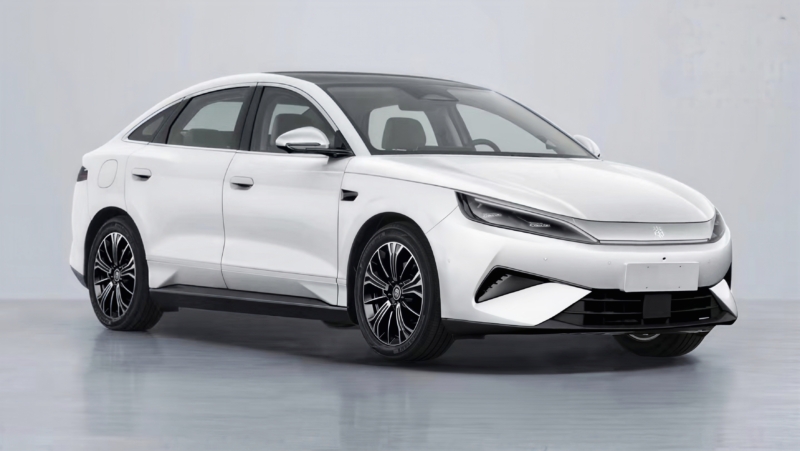
Chinese auto giant BYD just filed paperwork for a new electric sedan, the Qin Max, and it looks like a significant step up from its popular Qin Plus. The regulatory filing reveals a car that’s not only larger but also packs a more powerful motor, signaling BYD’s ambition to push further into the competitive sedan market.
| Metric | BYD Qin Max (New) | BYD Qin Plus (Current) | Notes |
|---|---|---|---|
| Length | 4866 mm | 4765–4795 mm | Noticeably longer body |
| Width | 1880 mm | 1837 mm | Wider stance |
| Wheelbase | 2820 mm | 2718 mm | Suggests significantly more interior space |
| Base Motor Power | 120 kW | 100 kW | A solid bump in performance |
| High-Output Motor | 240 kW (Reported) | — | Not in official filing but widely rumored |
| Battery Chemistry | LFP | LFP | BYD’s own Blade Battery technology |
A Legacy of Mainstream Success
For anyone following the Chinese EV scene, the Qin family is a familiar name. It’s been a cornerstone of BYD’s lineup since 2013, evolving from a plug-in hybrid into a range of fully electric models. It helped put BYD on the map, competing fiercely with both domestic and international brands and becoming a common sight on city streets. The current Qin Plus EV is a perfect example of a balanced, everyday electric sedan: it offers a respectable 510 km of range (CLTC), a 100 kW motor, and a price tag of around 163,800 yuan (about $23,200). It’s the kind of practical, accessible EV that has fueled BYD’s incredible growth.
What’s New with the Qin Max?
The Qin Max is clearly designed to build on that success and appeal to buyers wanting something more. The first thing you’ll notice is its size. With a wheelbase stretched to 2820 mm, it’s significantly longer than the Qin Plus. That translates directly to a roomier cabin, especially for passengers in the back. It’s a smart move in a market where rear-seat comfort is a major selling point.
Under the hood, or rather, under the floor, the Qin Max gets a welcome power boost. The filing confirms a 120 kW motor as the standard option, a nice upgrade from the 100 kW motor in the Plus. While reports of a powerful 240 kW variant aren’t in the official filing, the possibility is exciting. A motor with that kind of output would give the Qin Max the punch to compete with sportier offerings from rivals like Tesla and Xpeng, transforming it from a comfortable cruiser into a genuine performance sedan.
When it comes to the battery, BYD is sticking to its guns. The filing confirms a lithium iron phosphate (LFP) battery, almost certainly the company’s renowned Blade Battery. These batteries are a key part of BYD’s competitive edge. They are known for their excellent safety profile and long-term durability. By controlling the entire supply chain, from battery cell production to final assembly, BYD can manage costs and innovate quickly, a strategy that other automakers, including Nio, are watching closely.
Personal Touches and Tech Upgrades
Beyond the core specs, BYD is offering plenty of ways for buyers to make the Qin Max their own. You can choose from different wheel designs, add a sunroof or a full panoramic roof, and even select unique badging like “Da Qin” or “Qin Ultra” to stand out. Other available features like privacy glass and an in-vehicle ETC device for tolls point to a focus on convenience and a more premium experience. The inclusion of an event data recorder (EDR) also shows a commitment to safety, a feature that’s becoming standard across the industry.
Our Take
The regulatory filing is more than just a formality. it’s the green light for production. While we’re still waiting on crucial details like driving range, acceleration times, and, most importantly, price, the picture is already becoming clear. The Qin Max is poised to be a more spacious, powerful, and feature-rich option sitting just above the Qin Plus. It’s a strategic move to capture buyers who want more than just a basic EV, without stepping all the way up to BYD’s flagship Han sedan. This car is another example of the relentless pace of the Chinese auto market, where product cycles are short and constant improvement is the only way to stay ahead.