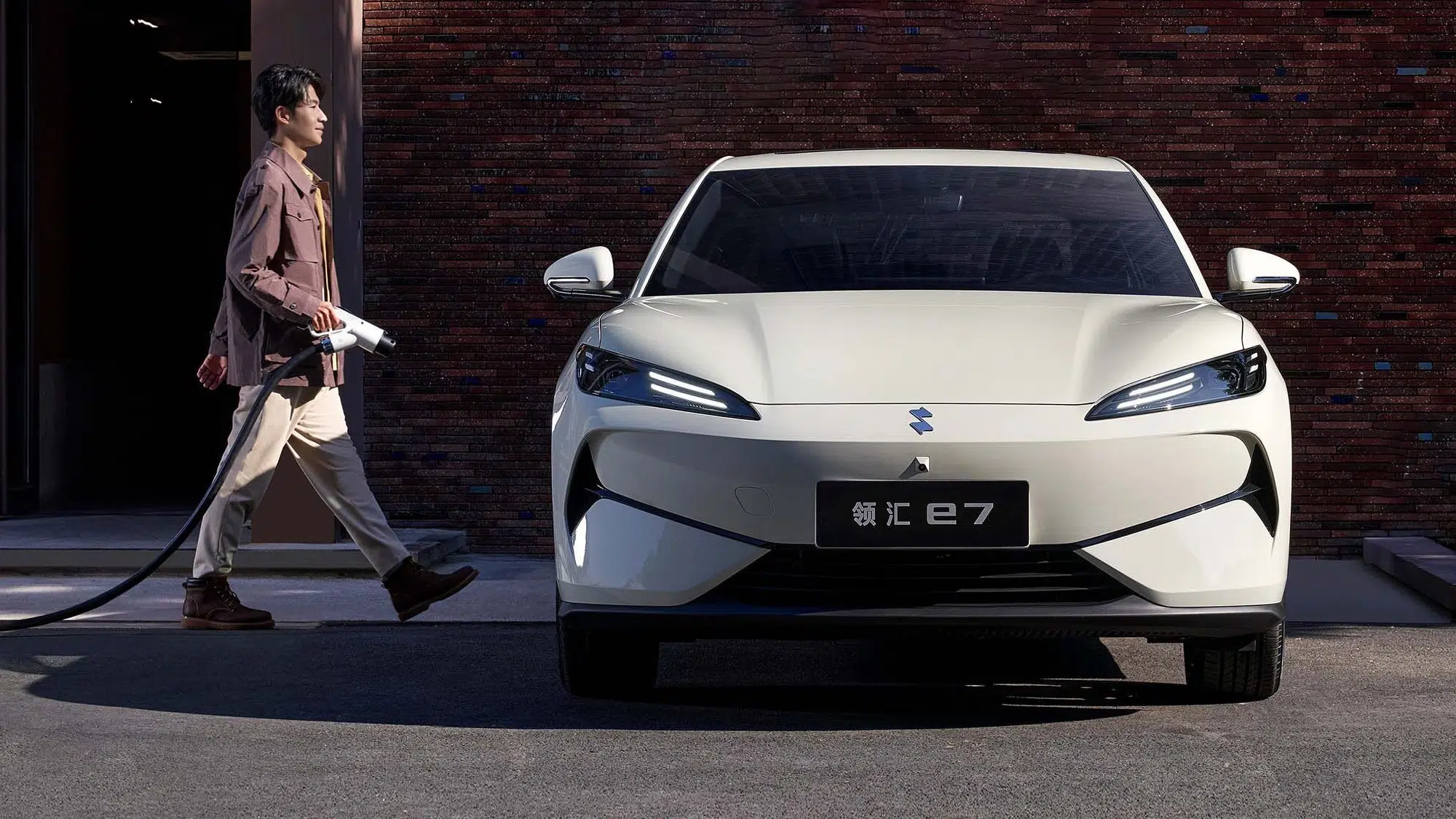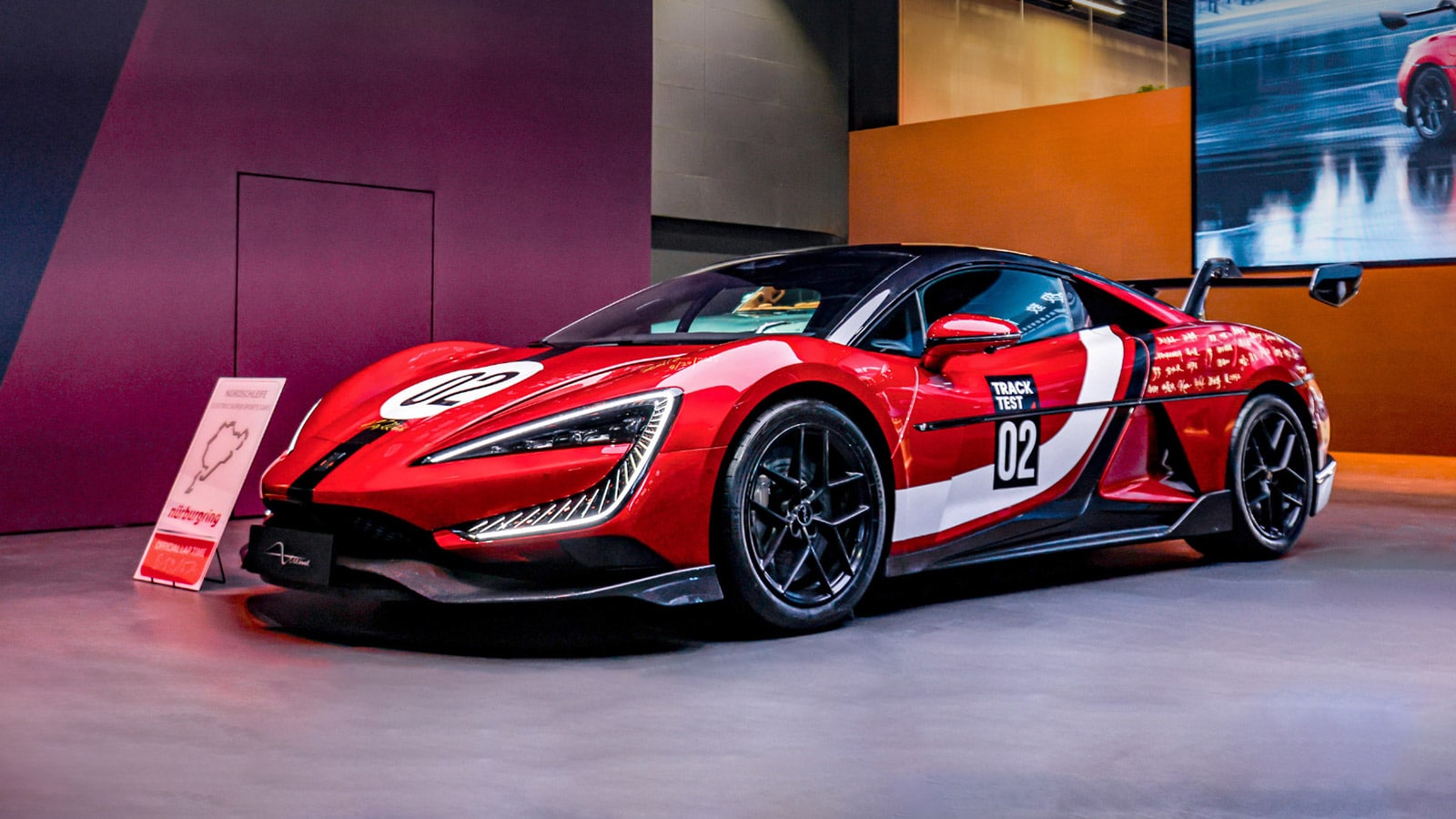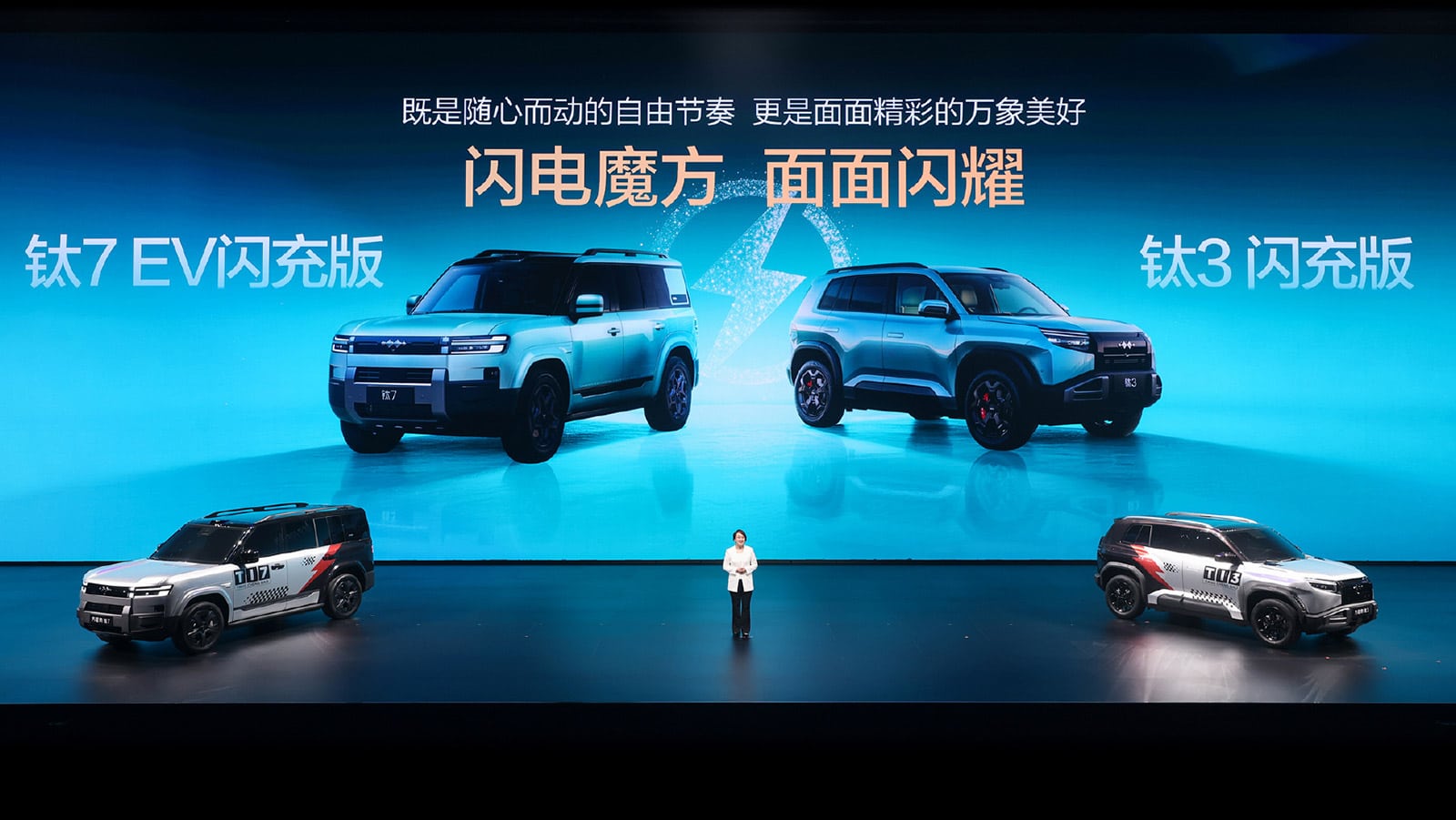

BYD is shaking up the electric vehicle market, bringing serious power to its mid-range lineup. The Chinese automaker is now putting its potent 240 kW electric motor, codenamed TZ200XYAT, into several more affordable EVs. This move signals a new era where thrilling performance doesn’t come with a sky-high price tag.
The 240 kW Motor: A Closer Look
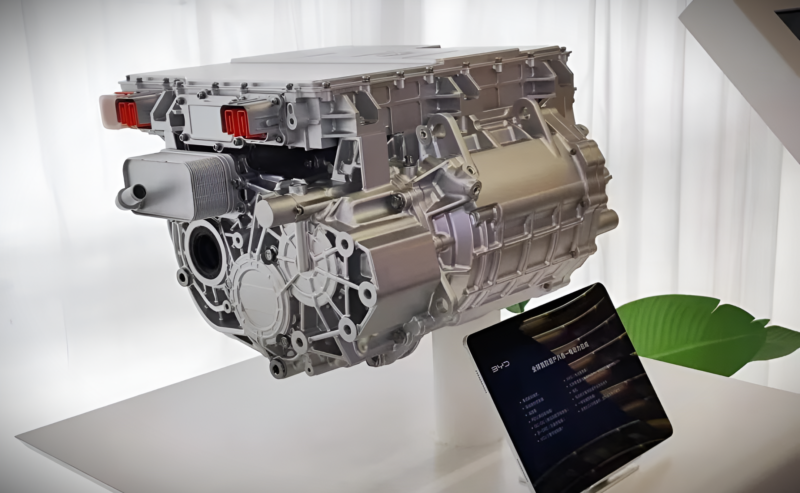
At the heart of this upgrade is BYD’s TZ200XYAT, a permanent-magnet synchronous motor. While its sustained output is 120 kW, it truly shines with a peak power of 240 kW, which translates to a robust 326 horsepower. That’s a considerable punch for vehicles in this segment. What’s really impressive under the hood is its compatibility with BYD’s 800V high-voltage architecture and the innovative Megawatt Flash Charge system. This tech allows the motor windings themselves to assist in charging, a clever bit of engineering to boost efficiency.
Delving into the technical wizardry, this motor features direct-cooling systems and ten-layer flat-wire stator windings. There are also 0.2 mm-thick stator silicon steel sheets, lightweight eddy-current sensors, and variable-flux motors, all working in harmony to deliver that impressive power. BYD hasn’t stopped there, they have also tweaked the energy management and integrated electric control systems in these mid-range EVs to perfectly complement this new motor, ensuring a smooth and responsive driving experience.
More Power for a Wider Range of EVs
Regulatory filings confirm this potent motor is making its way into a diverse range of BYD vehicles, spanning both the Dynasty and Ocean series. We’re talking about cars like the Seal 07 EV, Seal 06 GT, Seal 06 EV, Qin Max, Han EV, and the Ti3. This means more drivers will get to experience that kick of instant electric torque.
For instance, the Seal 07 EV will not only gain the 240 kW motor but also offer an optional roof-mounted LiDAR sensor. It’s a sleek machine, measuring 4995 mm long, 1910 mm wide, and 1495 mm tall. Meanwhile, the Seal 06 GT will get a rear-mounted TZ200XYAT motor, ensuring an exhilarating drive. Even the Seal 06 EV is getting a larger body and will offer a single-motor 240 kW variant alongside a 120 kW option. The Qin Max EV, with its 240 kW motor, measures 4866 mm long, 1880 mm wide, and 1495 mm tall, balancing performance with practicality. The Ti3 is also getting a significant boost, replacing its older 170 kW and 200 kW motors with the TZ200XYAT, though it retains a 35 kW front asynchronous AC motor.
It’s worth noting that even with these upgrades, the Han EV continues to offer even more powerful setups, with combinations soaring up to 300 kW rated and 580 kW peak outputs, indicating BYD’s commitment to a wide spectrum of performance. However, for these mid-range offerings, the TZ200XYAT motor stands out as the go-to high-output option.
Affordable Power, Advanced Tech
One of the most compelling aspects of this announcement is the price point. These 240 kW-equipped vehicles are set to land in the mid-range segment, priced between 100,000 and 150,000 yuan. That’s roughly 14,150 to 21,250 USD, making serious electric performance surprisingly accessible. This aggressive pricing strategy, combined with advanced technology, is a hallmark of the competitive Chinese EV market, which continues to evolve at a breakneck pace.
BYD’s TZ200XYAT motor integrates seamlessly with advanced platforms, including the e-Platform 3.0 Evo and the new 1000V “Super e-Platform,” both of which support megawatt charging. Not only is the motor developed in-house, but it also features Silicon Carbide (SiC) technology, a crucial component for efficient high-power delivery, seen in other high-output BYD units. This 240 kW motor, while perfect for mid-range passenger vehicles, is also versatile enough for larger applications, like buses, demonstrating its robust and scalable design. It’s clear that BYD isn’t just pushing boundaries in performance; they’re making it a reality for everyone.