
Picture this. You’re building electric cars, and your most critical component, the battery pack, doesn’t arrive on a truck from hundreds of miles away. Instead, it’s being assembled right next door, in a dedicated production line nestled within your own factory walls. That’s not some futuristic fantasy. It’s happening right now in Chongqing, and it’s changing how China builds EVs.
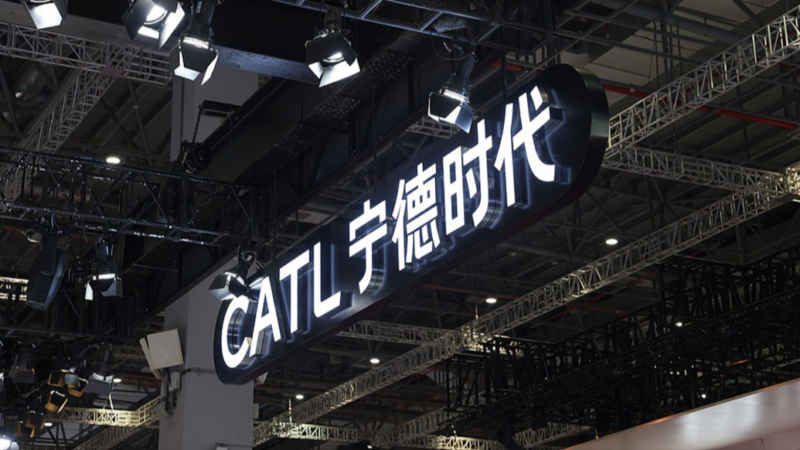
On June 30, CATL, the world’s leading battery maker, flipped the switch on two brand new production lines inside Seres’ massive Super Factory. This isn’t just another battery plant. It’s CATL’s first ever “factory-in-factory” setup, and honestly, it’s kind of brilliant.
What Exactly Is a Factory-in-Factory?
Let’s break it down simply. Instead of shipping completed battery packs across the country, CATL has built its production lines directly inside Seres’ vehicle assembly plant. Think of it like having a dedicated bakery inside a restaurant, baking fresh bread right as the kitchen needs it.
The benefits are immediate and massive. Seres says they can now adjust production lines based on new directives in under 20 minutes. Thousands of components get delivered daily, and the whole turnaround happens within the same day. That’s agility you just can’t get with traditional supply chains.
Dr. Robin Zeng, CATL’s Chairman and CEO, calls these “the most advanced intelligent and digital production lines” the company has ever built. When the battery king speaks like that, you know something special is happening.
The Tech Behind the Magic: CTP 2.0
These lines are pumping out CATL’s latest CTP 2.0 battery packs. CTP stands for Cell-to-Pack, a design that skips the traditional module stage. Cells go directly into the pack, which cuts weight, boosts energy density, and simplifies manufacturing. It’s the same clever tech that’s giving cars like the Deepal S05 a serious range boost.
For consumers, this means the Aito vehicles rolling out of this plant get lighter, more energy-dense batteries. That translates directly to better range, quicker charging, and more interior space. It’s a win-win that starts right on the factory floor.
A Partnership Forged in Ambition
This deep collaboration didn’t happen overnight. Seres and CATL inked their strategic partnership back in August 2022, and they’ve been tightening the bolts ever since. The deal is straightforward but powerful. For the next five years, every Aito vehicle will exclusively use CATL power batteries, with new models getting the flagship Qilin battery tech.
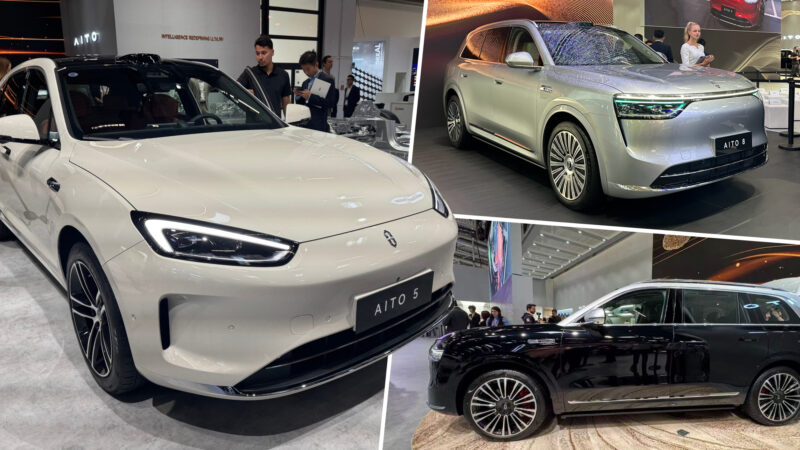
That’s a huge vote of confidence in a brand that’s become one of China’s most interesting EV stories. Aito started as a joint project between Seres and tech giant Huawei. It’s important to note, it was never a formal joint venture. In a fascinating move last July, Seres bought the Aito trademark and patents from Huawei for 2.5 million yuan. Huawei remains the crucial tech and software brain, selling the cars through its own HIMA stores, but Seres now owns the brand outright.
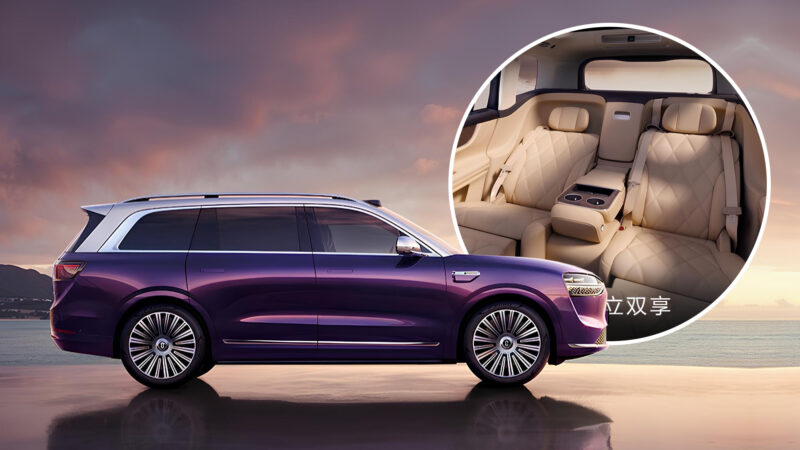
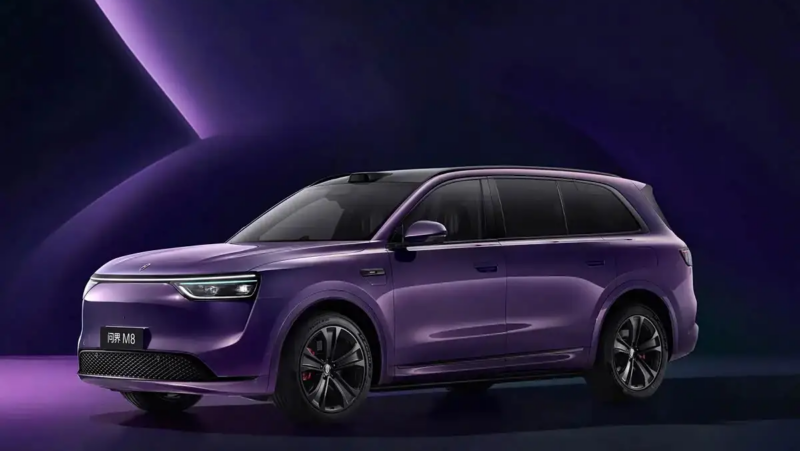
Positioned as a new luxury player, Aito has already put over 700,000 vehicles on the road. The Chongqing Super Factory is its beating heart, and now with CATL living inside it, that heart just got a lot stronger. If you want to see where this brand is headed, check out their latest flagship, the fully electric Aito M8 targeting China’s premium SUV market.
Why This Matters in the Bigger Picture
Let’s talk context. CATL isn’t doing this because business is slow. Far from it. Data from the China Automotive Power Battery Industry Innovation Alliance shows that from January to May this year, China’s total power battery installations hit 241.4 GWh. That’s a staggering 50.4% year-over-year increase.
CATL’s slice of that pie was 103.20 GWh, good for a 42.90% market share. Sure, that’s a slight dip of 3.83 percentage points from last year, but when you’re supplying nearly half the batteries in the world’s largest EV market, you’re doing something right. This factory-in-factory move is about securing that lead, not defending it.
It’s all part of the intense sales race defining China’s EV landscape. When volumes are this high and competition this fierce, shaving minutes off production time and tightening supplier relationships isn’t just good practice, it’s survival.
Beyond the Battery: Building Green from the Ground Up
The collaboration doesn’t stop at making batteries. This April, CATL and Seres completed and connected the first phase of a 50 MWh distributed photovoltaic project at the same Super Factory. In plain English, they built a solar farm on the roof and around the facility to power it with clean energy.
It’s a full-circle approach. They’re not just making zero-emission vehicles, they’re trying to make them with zero-emission energy. For a company like Aito, which has seen models like the Aito M7 rack up insane pre-order numbers, this green manufacturing story is powerful marketing and genuine progress.
The Takeaway: A New Blueprint for Manufacturing
What we’re seeing in Chongqing is more than just a new production line. It’s a blueprint. The factory-in-factory model tears down the old walls between automaker and supplier. It creates a symbiotic relationship where efficiency and innovation can thrive.
For anyone buying an Aito vehicle today, this means your car was built with a level of integration that was unheard of just a few years ago. The battery wasn’t an afterthought shipped in a box. It was conceived, built, and installed in one fluid, intelligent process.
This is how China’s EV industry stays ahead. Not just with flashy tech or aggressive pricing, but by fundamentally rethinking how things are made. CATL and Seres aren’t just building batteries and cars. They’re building the future of manufacturing, one integrated production line at a time.