
Quick Specs & Metrics
CATL’s sodium-ion batteries are making their debut in passenger vehicles, starting with Changan’s Oshan models. Known for their resilience in extreme cold and enhanced safety features, these batteries could redefine the EV landscape.
From Commercial to Passenger Vehicles
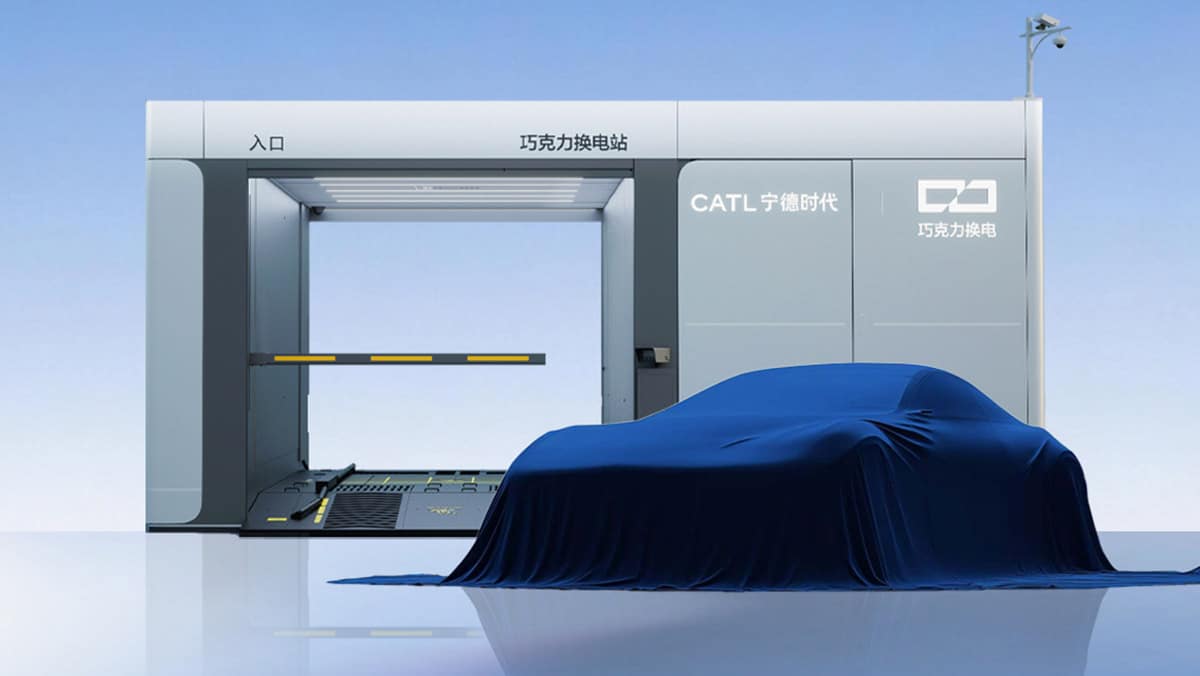
CATL, the global battery powerhouse, is taking its sodium-ion technology to the next level. After successful deployments in commercial vehicles, the company is now bringing its Naxtra sodium-ion batteries to passenger cars. The first model to feature this tech is expected to be the Changan Oshan 520, a vehicle already known for its compatibility with CATL’s innovative chocolate battery swap system.
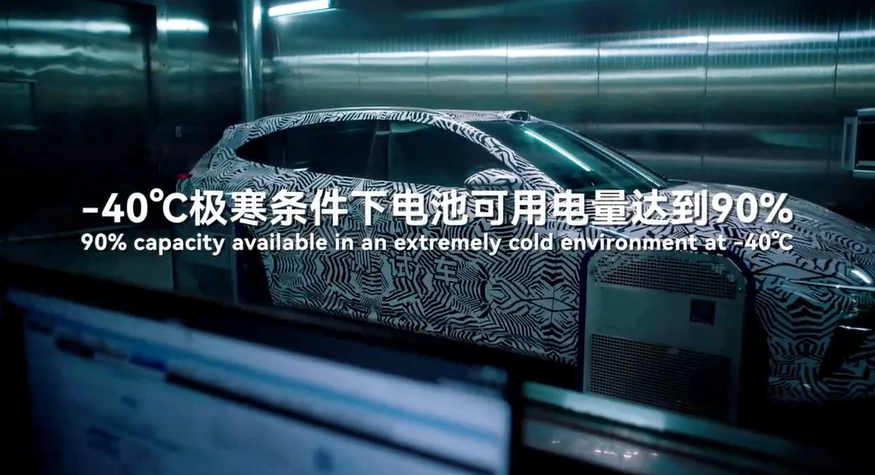
According to sources close to the matter, CATL is gearing up for public winter testing of these batteries in passenger vehicles. The Changan Oshan will be the first to undergo these tests, with other models from GAC and JAC expected to follow soon.
Why Sodium-Ion?
Sodium-ion batteries have been gaining traction since 2021, driven by skyrocketing lithium carbonate prices. CATL was quick to capitalize on this trend, unveiling its first-generation sodium-ion battery in July 2021. Fast forward to 2025, and CATL has officially launched the Naxtra brand, with plans for large-scale applications across battery swapping, passenger vehicles, commercial vehicles, and energy storage by 2026.
These batteries are particularly promising for their performance in low temperatures. CATL’s 45kWh sodium batteries, designed for light trucks and vans, have already demonstrated their ability to handle extreme cold, with full-load climbing capabilities at temperatures as low as -30℃.
Safety and Cost Advantages
One of the standout features of sodium-ion batteries is their safety. CATL’s Chief Technology Officer, Gao Huan, emphasized that even when subjected to rigorous testing like sawing or puncturing, these batteries do not catch fire or explode. This makes them a safer alternative to traditional lithium-ion batteries.
Cost is another significant advantage. Industry analysts predict that as supply chain capacity increases, sodium battery prices could drop by more than 30% compared to lithium iron phosphate (LFP) batteries. This cost reduction could make sodium-ion batteries a more attractive option for both manufacturers and consumers.
Consumer Benefits
For consumers, the shift to sodium-ion batteries could mean lower upfront costs and reduced operating expenses. CATL’s battery swapping model has already shown promise in reducing initial vehicle purchase costs by 10% and usage costs by another 10% for light trucks and vans. This model could soon extend to passenger vehicles, making EVs more accessible to a broader audience.
Looking Ahead
While sodium-ion batteries currently lag behind LFP batteries in energy density, their superior performance in cold conditions could give them a competitive edge. As CATL continues to refine this technology, we can expect to see more passenger vehicles equipped with sodium-ion batteries hitting the market.
Cars equipped with these new batteries are set to begin testing soon, and the results could pave the way for a new era in EV technology. Keep an eye on this space as CATL and its partners push the boundaries of what’s possible with sodium-ion batteries.