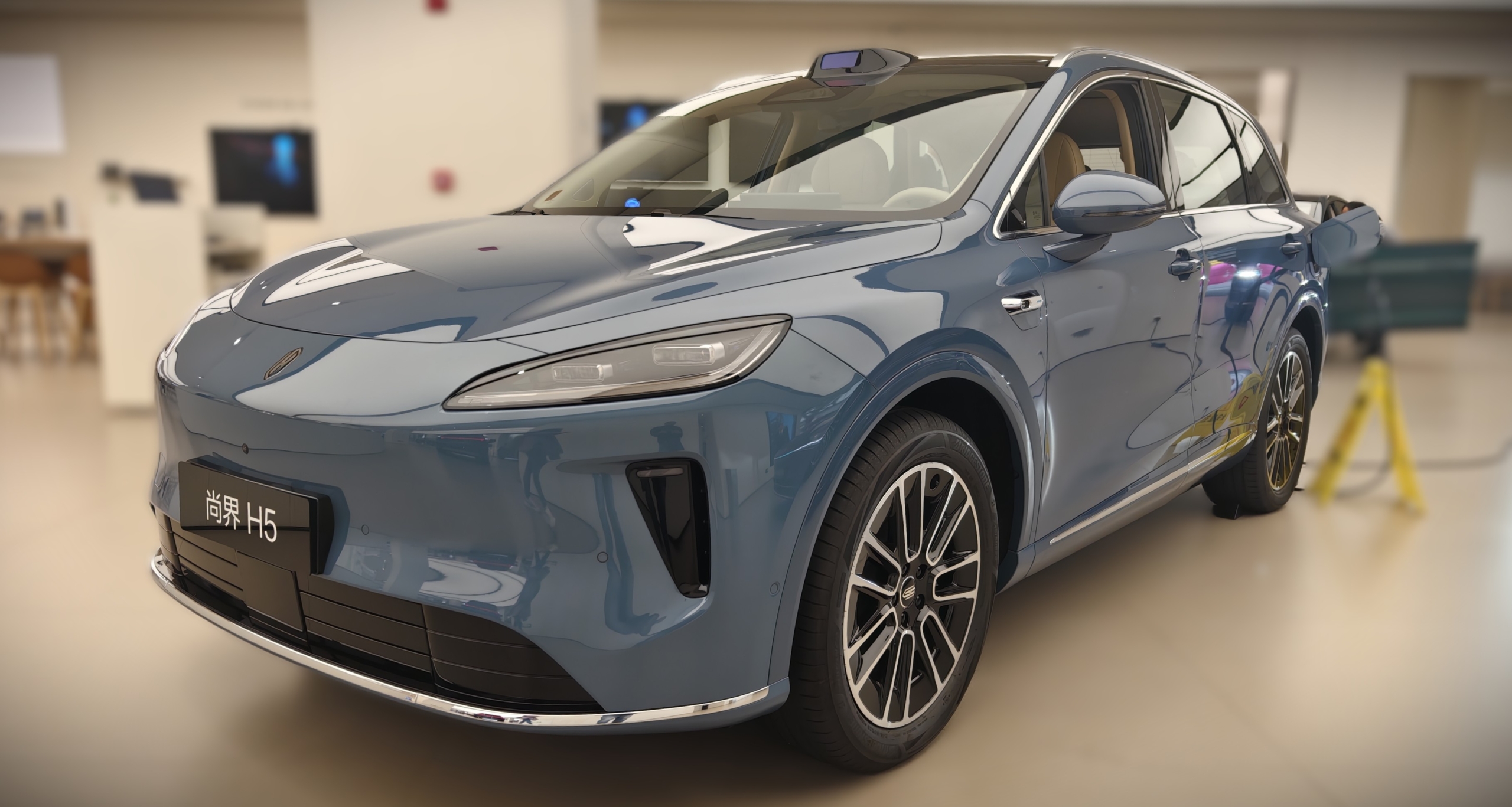

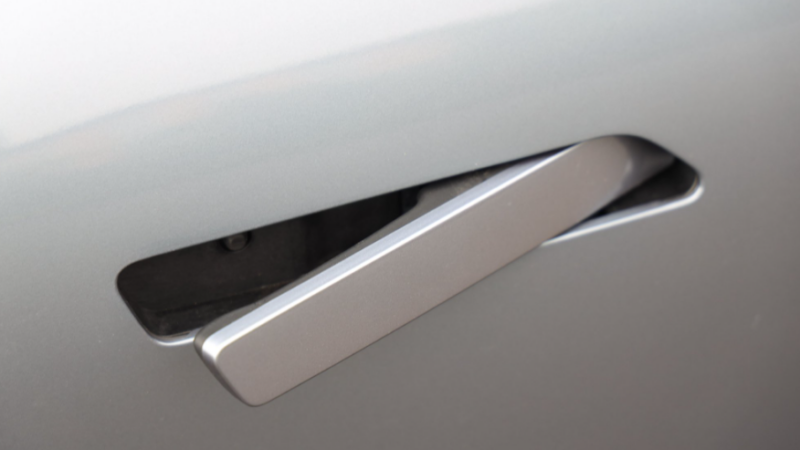
China is stepping up its game with new mandatory national standards for car door handle safety, a move that directly addresses concerns surrounding the increasingly popular electronic and concealed designs found on many new energy vehicles. The Ministry of Industry and Information Technology (MIIT) released the “Technical Requirements for Automobile Door Handle Safety” for public comment on September 24. They’re open for feedback until November 22, 2025.
These proposed standards are a big deal because they aim to set clear safety baselines. They also want to guide manufacturers toward better, safer door handle designs overall. It makes sense, given how many different electric concealed door handles are out there now, all with varied operation methods and structures.
What the New Rules Mean for EV Door Handles
The draft standards lay out some crucial requirements that car makers will need to implement:
- Every door, except for trunk lids, needs an external handle with a mechanical release. Think about it: a good old-fashioned handle you can grab.
- If there is a battery thermal event in an accident, non-collision side doors must be openable from the outside without special tools. This could be a lifesaver.
- External door handles need enough space for operation. We are talking at least 60mm x 20mm x 25mm, no matter how the handle is positioned.
- Inside, every door must have mechanical release handles that don’t rely on external tools. Again, simplicity and reliability are key.
- If a car uses electric internal handles, it also needs mechanical backup handles. It is all about having a failsafe.
- Internal handles must be super easy to find, clearly visible, and within a 300mm reach of the door edges. They also need to be in specific zones relative to seating positions, making sure they are accessible to everyone inside.
Why the Change? A Look at the Industry
Rong Hui, Deputy Director of the China Automotive Standardisation Research Institute, told CNAutoNews that these standards come from extensive research. They looked at over 20 companies and 63 vehicle models to understand the current landscape. He pointed out that with electrification, electric concealed door handles have become really common, and these new standards are a direct response to those new technologies and safety needs. The goal is to tackle industry pain points while still allowing for technological innovation and improving overall vehicle safety.
The MIIT really did their homework, too. They researched over 230 vehicle models’ door handle configurations and even ran validation tests on more than 20 models. Experts from over 100 domestic and international vehicle manufacturers, parts suppliers, and testing institutions were all part of developing these standards.
The Tesla Effect and the Future of Door Handles
It is fascinating to see how designs evolve. Back in 2012, the Tesla Model S made pop-out flush door handles a symbol of high-tech luxury with its electronic control and streamlined looks. Many manufacturers followed suit, aiming for that futuristic appeal. However, this design has started to show its weak spots. Issues like power failures, software glitches, or even freezing weather could trap passengers inside, leading to quite a few incidents where windows had to be smashed to free children.
The industry has taken notice. In September 2025, Tesla’s Chief Designer, Franz von Holzhausen, even publicly acknowledged that the company is redesigning its door handle system. The aim is to make mechanical opening in emergencies more reliable and direct. This move by China’s regulators and the shift from Tesla highlight a growing awareness: while fancy tech is cool, basic safety and reliability should always come first. It’s an interesting time for car design, especially as China continues to lead the charge in EV innovation. This ensures that a car’s core functions are always foolproof.