
China Signals a Shift from Brute Force to Brains in EV Safety
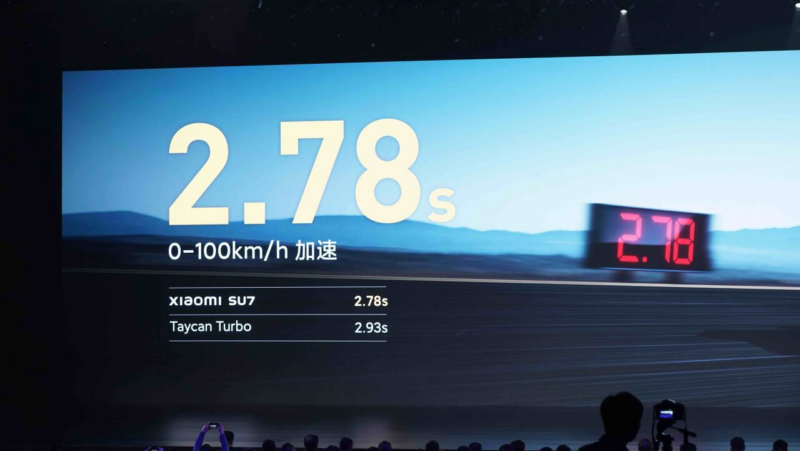
China’s auto industry might be hitting the brakes on the horsepower wars. The Ministry of Public Security just dropped a draft of new safety standards that could reshape how carmakers, especially in the electric vehicle space, approach performance. The headline grabber is a proposal that would require all new passenger cars to default to a 0-100 km/h acceleration time of no less than five seconds. Before you panic, this isn’t an outright ban on fast cars, but it’s a clear signal that regulators want to dial down the madness on public roads.
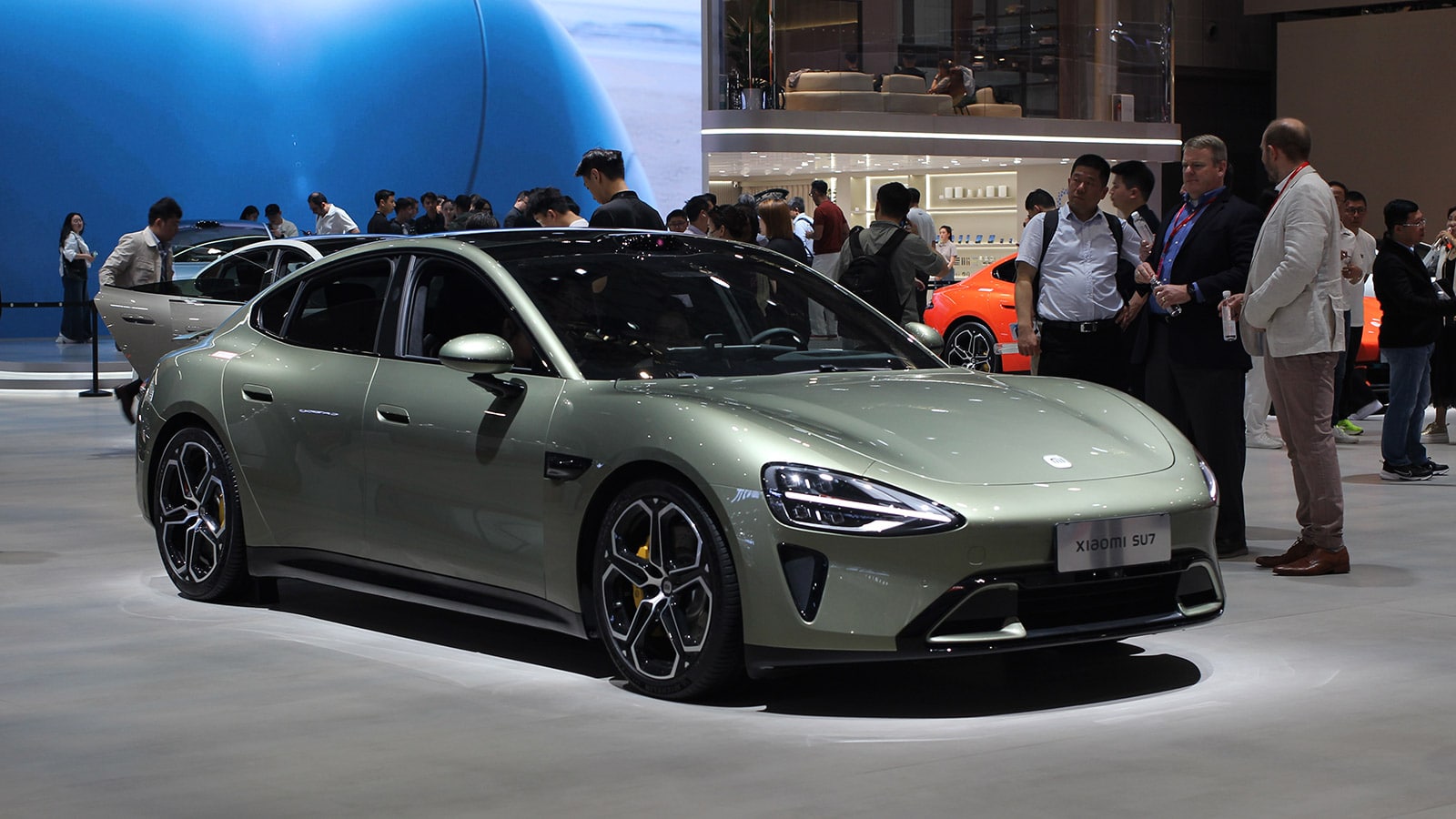
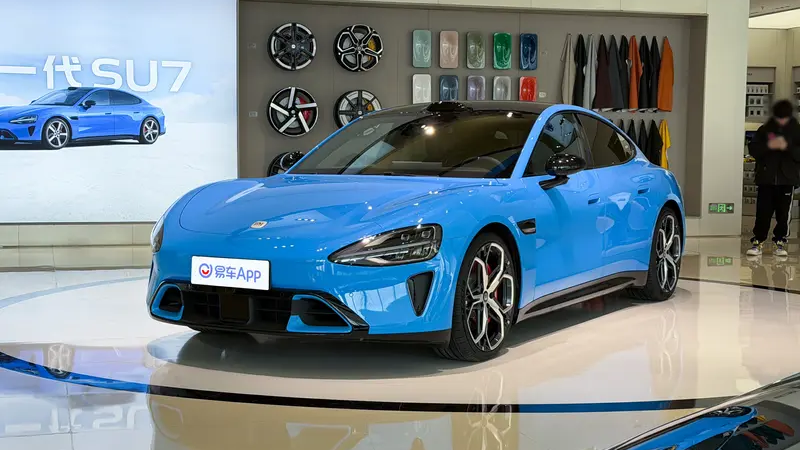
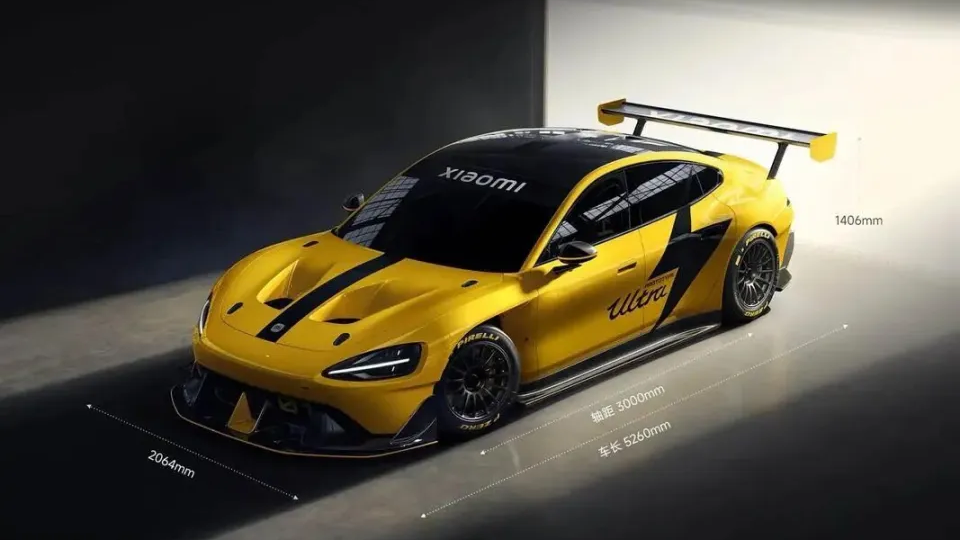
The rule is simple: when you start the car, it should be in a mode that prevents neck-snapping launches unless the driver deliberately chooses otherwise. This move directly targets the marketing gimmicks that have defined a certain segment of the market. Brands like Xiaomi and Zeekr have built a serious hype cycle around their vehicles’ blistering acceleration. For instance, the Zeekr 7X promises a sub-3-second sprint, a feature that’s thrilling but arguably overkill for a grocery run. This regulation suggests that while performance is fine, it shouldn’t be the default experience for everyday driving.
A Sweeping Overhaul for EV Safety
The proposed regulations go far beyond just acceleration. They introduce a comprehensive suite of safety measures aimed squarely at EVs and plug-in hybrids. One of the smartest features is mandatory pedal misapplication suppression. This tech is designed to prevent unintended acceleration when the car is stopped or crawling by detecting if the driver is hitting the throttle by mistake, then restricting power and giving a clear warning. It’s a simple solution to a problem that has caused serious accidents.
The draft also mandates automatic power cut-offs in specific crash scenarios. If the car detects a sudden speed change of 25 km/h or more in a fraction of a second, or if an airbag deploys, it will automatically sever the power circuits. This is a critical step to prevent post-crash electrical hazards and potential fires.
Addressing Battery and Driver Distraction
Battery safety, a constant worry for potential EV buyers, gets significant attention. The new rules would require cars to actively monitor their battery cells for any abnormalities and provide early warnings. In case of a thermal issue, the car must alert occupants with loud, clear audio and visual signals. The proposal even gets into the nitty-gritty of battery construction, mandating pressure relief systems that channel heat and gas away from the cabin. For larger electric buses, the rules are even stricter, requiring the battery compartment to resist fire or explosion for at least five minutes after an alarm, giving passengers crucial time to evacuate. This focus on battery integrity could help ease consumer concerns, which have been amplified by events like the recent Li Auto recall over fire risks.
Driver aids and infotainment systems are also getting a reality check. The draft requires that drivers complete verified training before being allowed to use advanced driver assistance systems. When these systems are active above 10 km/h, the car must use at least two methods, like hand-off detection and gaze monitoring, to ensure the driver is still paying attention. To combat distraction, the rules would disable all entertainment video and gaming functions on the main display once the vehicle is moving faster than a crawl.
Practical Safety You Can Touch
It’s not all high-tech, either. The proposal brings in some common-sense rules for physical safety. Every passenger must be able to exit through at least two different doors, and every door must have a mechanical release handle inside and out. This tackles the scary scenario where electronic door latches fail in an emergency. Furthermore, for vehicles with electronic locks, the doors on the non-impacted side must unlock automatically if the airbags go off or a battery fire is detected.
Even windows are being regulated, with a ban on mirror-reflective films and a requirement for at least 70% light transmission to ensure driver visibility. Emergency exit windows must be made of tempered glass no thicker than 5mm and can’t have film applied, ensuring they can be broken easily when needed.
These proposed changes, currently under public consultation, represent a major step toward maturing the Chinese auto market. Led by giants like BYD, the industry has innovated at a breakneck pace. Now, it seems, regulators are stepping in to build a framework that prioritizes safety and practicality over raw, headline-grabbing numbers. It’s a sensible move that ultimately benefits everyone on the road.