
The buzz around Extended-Range Electric Vehicles (EREVs) in China has certainly taken a hit lately. After a period of explosive growth, EREV sales have dipped for three straight months. This raises some serious questions about their longevity in a rapidly evolving market that increasingly favors pure electric vehicles (EVs) offering more range and faster charging.
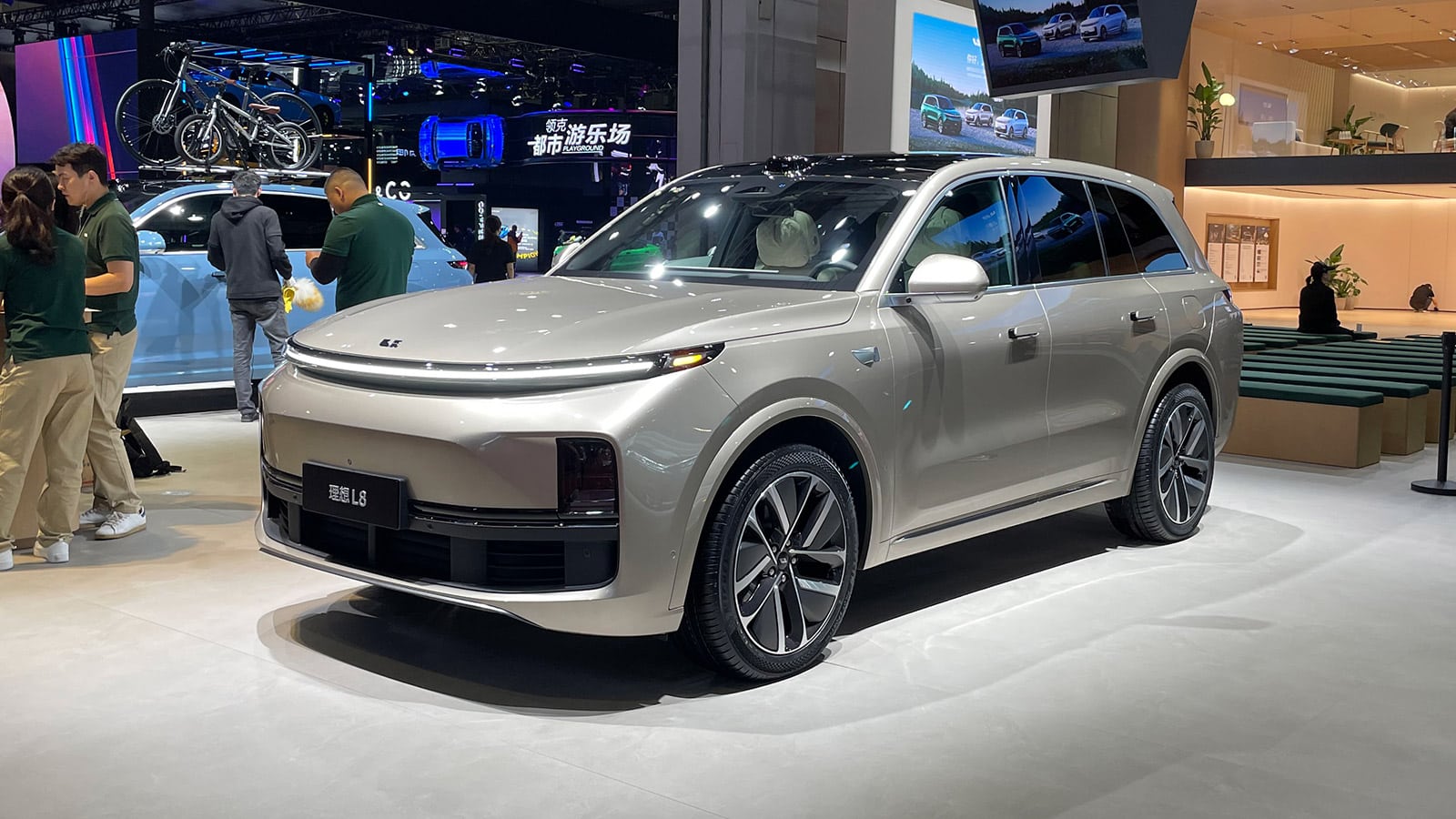
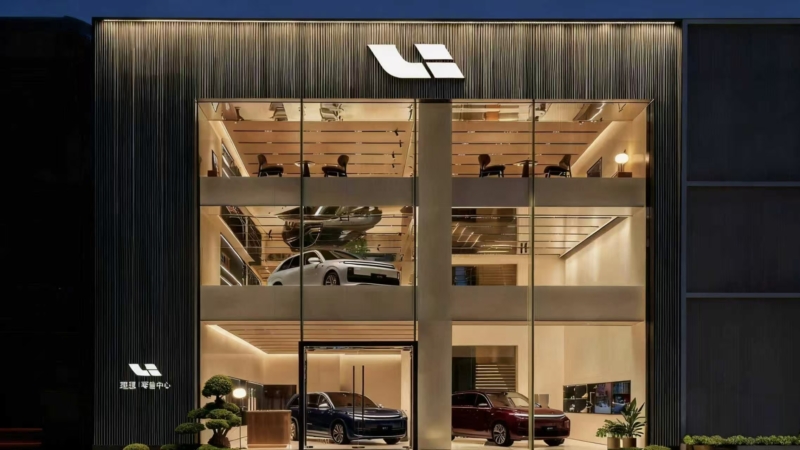
From July to September 2025, EREV sales in China saw year-on-year drops of 11%, 7%, and 13% respectively, with monthly figures hovering around the 100,000-unit mark. Even Li Auto, the brand often credited with championing the EREV concept, has experienced a sales slide for five consecutive months.
Historically, EREVs carved out a significant niche. Between 2021 and 2024, this segment saw remarkable yearly sales increases, sometimes more than doubling, and their market share grew from 3.6% to 9.1%. Li Auto’s 2019 launch of the Li One, with its clever blend of electric city driving and fuel-based range extension for longer journeys, truly set the stage. Soon after, a host of domestic brands like Aito, Deepal, and Leapmotor jumped into the fray. By 2024, EREV sales crossed the one-million-unit mark, with 23 brands offering various models.
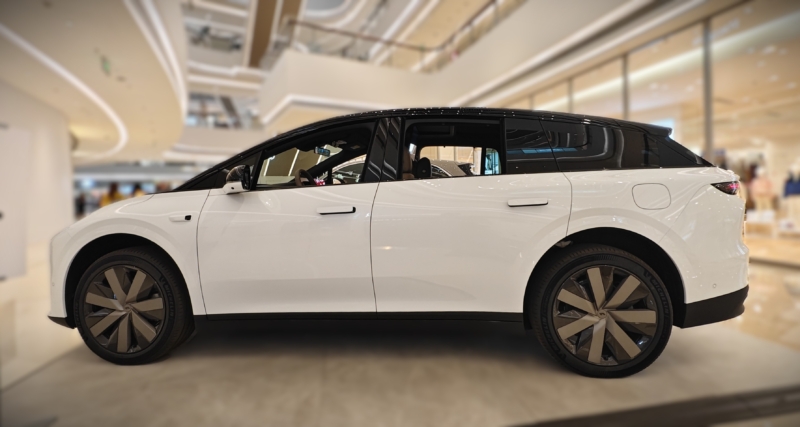
However, 2025 has brought a noticeable slowdown. Li Auto seems to be shifting its focus towards pure EVs after their Mega series, while rivals push on with new EREV models. Think about the Aito M7, IM LS6, Leapmotor D19, and even the XPeng X9, which continue to hit the market. Even joint-venture brands like Buick and Mazda are getting in on the extended-range action.
So, why the sudden cool-down for EREVs? It all boils down to the rapid advancements in pure electric vehicles. The core advantages that once made EREVs so appealing are now fading fast. EVs are improving significantly in terms of range, charging speed, and affordability, making the need for a backup fuel engine less compelling.
The Shifting Sands of EREV Design
In response to these market changes, EREV manufacturers are evolving their approach. We are seeing a move from the traditional “small battery + large fuel tank” setup to a “large battery + small fuel tank” configuration. Take the IM LS6 extended-range variant, for example, which packs a 66 kWh battery, giving it a pure electric range of 450 km. Then there is the Leapmotor D19 extended-range model, boasting an 80 kWh battery for an impressive 500 km of pure electric driving.
This new strategy is stirring up some debate. Some industry insiders believe bigger batteries translate to a better electric driving experience, with the small fuel engine serving as an efficient safety net for those rare long trips. However, others, like Deepal CEO Deng Chenghao, view this as a potential waste of resources. They argue that excess battery capacity can push up costs and emissions without delivering a proportional benefit.
Cui Dongshu, Secretary-General of the China Automobile Dealers Association Passenger Vehicle Branch, suggests that while larger batteries definitely enhance the user experience, their implementation should be carefully considered for mid-to-high-end EREV models, balancing cost and effectiveness. We have to make sure the tech makes sense for the price point, right?
This recent sales dip is more than just a blip, it is a reflection of the broader shift rocking the New Energy Vehicle (NEV) landscape. EREVs initially provided a fantastic solution for common EV pain points like range anxiety and charging infrastructure concerns. But as pure EVs continue to advance, offering longer ranges and more convenient charging options, the allure of carrying a conventional engine is losing its shine. Given how rapidly China’s EV charging network is expanding, with millions of charging units now available, the infrastructure argument for EREVs is also weakening. China’s EV charging infrastructure is a juggernaut of electrification, boasting millions of charging units. This rapidly expanding network further diminishes the appeal of EREVs for many consumers.
While EREVs will likely continue to find a home in regions with less developed charging infrastructure or among drivers who absolutely prioritize “range freedom” this segment could become a niche play down the road. Further innovations, like solid-state or sodium-based EV batteries, could dramatically reduce the need for any fuel-based range extension. The future of electric motoring is charging ahead quickly, and EREVs might just be a stepping stone to a fully electric world.