
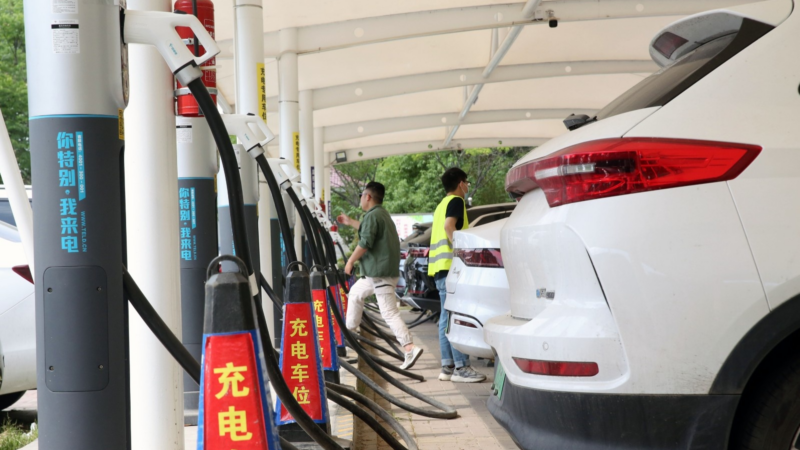
China is absolutely crushing it in the electric vehicle (EV) charging game, cementing its spot as the world leader. By the end of July 2025, the country was boasting a staggering 16.7 million charging points, which marks a massive 53% jump year-on-year. It’s clear China isn’t just talking the talk when it comes to EVs, they’re building the infrastructure to back it up.
Unprecedented Growth in Charging Infrastructure
Wang Hongzhi, Director of the National Energy Administration, reported on August 26 that China has hit an impressive ratio of two charging piles for every five EVs. This incredible growth journey saw the total number of EV charging infrastructure units, what we commonly call charging piles, rocket to 16.696 million by July 2025. That’s a tenfold increase compared to 2020, which is honestly wild when you think about it.
Just in the first seven months of 2025 alone, China added 3.878 million charging units, marking a 93.2% increase from the previous year. Public charging facilities saw a healthy 28.9% rise with 623,000 new units, but it’s the private charging sector that truly exploded, surging by 113.6% with 3.255 million additional units. The charger-to-new energy vehicle increment ratio sits at 1:1.8. This means the infrastructure is evolving right alongside the booming sales of EVs, which hit 6.913 million domestically during the same period. It’s a well-oiled machine, ensuring that as more EVs hit the road, there’s always a place to plug in.
Powering Up: A Surge in Electricity Consumption
All these new charging points naturally mean a huge boost in electricity consumption, and China’s seen just that. Du Zhongming, Director of the NEA Electricity Department, noted that electricity use for EV charging and swapping services shot up by over 40% in the first seven months of this year. July 2025 alone saw national charging electricity consumption hit around 7.71 billion kWh. That’s a cool 1.0 billion kWh increase from the month before, showing a 53.9% year-on-year and 14.9% month-on-month growth. This power primarily fueled buses and passenger vehicles, though sanitation, logistics vehicles, and taxis also got their share.
Industry Leaders in the Charging Space
The charging operations market is pretty much run by a few big players. As of July 2025, the top 15 operators were managing a whopping 84.1% of all public charging piles. Leading this charge were TELD with 807,000 units, followed by Star Charge with 703,000 units, and Yunkuai Charge close behind with 656,000 units.
| Rank | Operator | Public Charging Piles (Jul 2025) |
|---|---|---|
| 1 | TELD | 807,000 |
| 2 | Star Charge | 703,000 |
| 3 | YKC | 656,000 |
| 4 | Orange Charge | 268,000 |
| 5 | EV King | 238,000 |
| 6 | State Grid | 196,000 |
| 7 | Lv C-Chong | 142,000 |
| 8 | Car Energy Net | 109,000 |
| 9 | Hoo Energy | 95,000 |
| 10 | China Southern Power Grid | 90,000 |
| 11 | EV Power | 79,000 |
| 12 | Kunlun | 64,000 |
| 13 | Wancheng Wanchong | 55,000 |
| 14 | Winlands | 53,000 |
| 15 | Hard Hitter | 49,000 |
Automakers Join the Charging Race
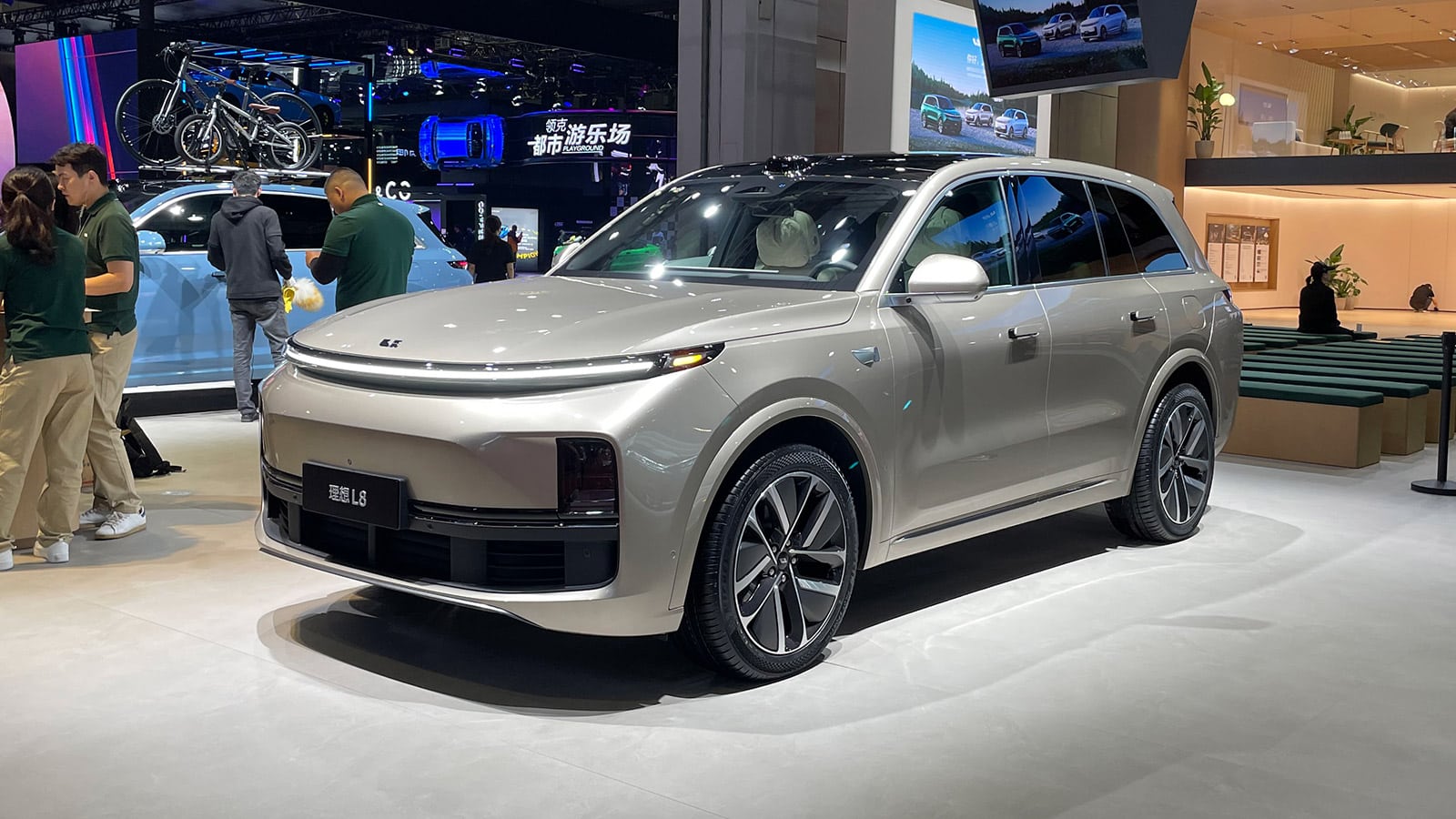
It is not just dedicated charging companies making moves. Many major new energy vehicle manufacturers, like Nio, Li Auto, and Tesla, are also building out their own charging networks. They’re all vying for a piece of the pie and to offer their customers the best possible experience. Xiang Junyong, from the Beijing Population, Resources, Environment and Construction Committee, predicts that China will have over 100 million EVs by 2030, and the charging infrastructure will keep growing at a rapid pace, always staying “moderately ahead of demand.” This forward-thinking approach ensures China remains at the forefront of the EV revolution.
| Rank | Brand | Charging Stations | Charging Piles | Data Cut-off |
|---|---|---|---|---|
| 1 | Nio | 5,137 | 28,681 | Jul 3 |
| 2 | Li Auto | 2,851 | 15,655 | Jun 30 |
| 3 | Tesla | 2,800+ | 14,100+ | Jun 28 |
| 4 | XPeng | 2,348+ | 12,300+ | Jul 3 |
| 5 | Zeekr | 1,683 | 8,407 | Jul 1 |
| 6 | GAC Hyptec | 1,651 | 16,819 | Jul 2 |
| 7 | HIMA | 1,000+ | / | Jul 1 |