
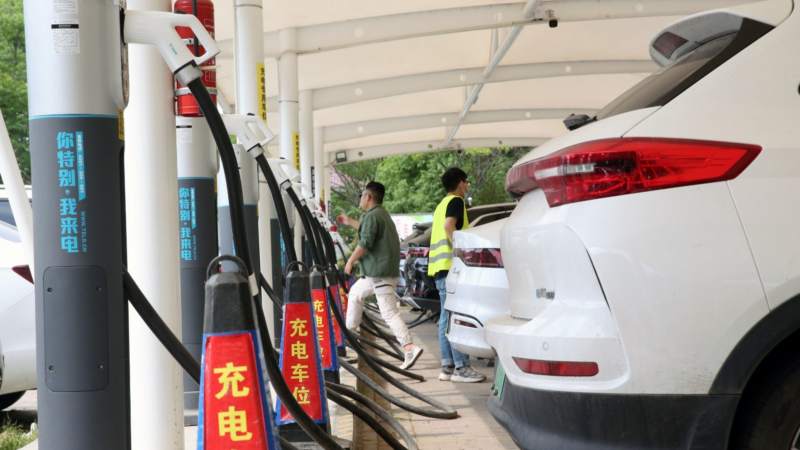
China’s electric vehicle charging infrastructure is absolutely booming, firmly cementing its place as the world leader. By the end of July 2025, the nation boasted an astounding 16.7 million charging points, a staggering 53% jump year on year. If you’re into sheer scale, consider this: National Energy Administration Director Wang Hongzhi announced that China now has two charging piles for every five EVs. That’s a tenfold increase in charging infrastructure since 2020. Seriously, the growth here is mind-blowing.
The first seven months of 2025 alone saw an additional 3.878 million charging units come online, a 93.2% increase from last year. Public charging stations grew by 623,000 units, while private charging setups surged by 3.255 million units. This rapid expansion ensures infrastructure keeps pace with EV sales, which hit 6.913 million units domestically in the same period, maintaining a healthy charger-to-new energy vehicle ratio of 1:1.8. It’s clear China isn’t just selling EVs, it’s building the ecosystem around them at an incredible clip.
The Power Behind the Progress
This surge in EV adoption isn’t just about more chargers, it’s about a massive thirst for electricity. Du Zhongming, Director of the NEA Electricity Department, noted that electricity consumption for EV charging and swapping services rocketed over 40% in the first seven months of this year. July 2025 alone saw national charging electricity consumption hit around 7.71 billion kWh. That’s a cool 1.0 billion kWh more than the previous month, translating to a 53.9% year on year and 14.9% month on month growth. Unsurprisingly, most of this power fueled buses and passenger vehicles, with a smaller slice going to sanitation, logistics vehicles, and taxis.
Who’s Powering Up China’s EVs?
The charging station market has some big players. As of July 2025, the top 15 operators command a massive 84.1% of all public charging piles. Leading the charge are TELD with 807,000 units, followed by Star Charge with 703,000, and Yunkuai Charge (YKC) close behind with 656,000 units. These are the giants keeping China’s EVs moving.
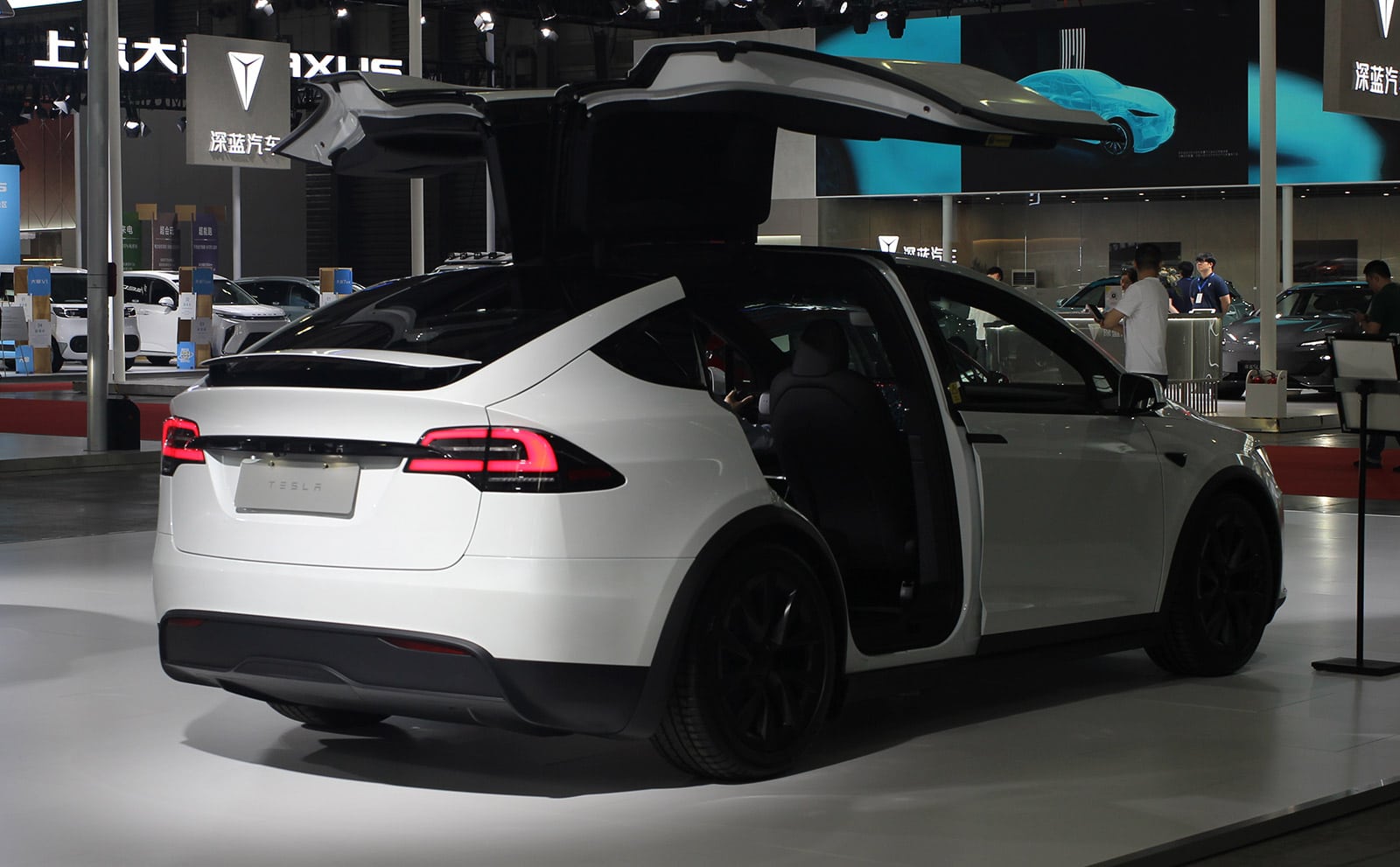
Beyond these dedicated charging companies, plenty of EV manufacturers are building out their own networks. Brands like Nio, Li Auto, and Tesla are especially noticeable here, creating integrated charging experiences for their customers. Nio, for instance, leads the pack with 5,137 stations and 28,681 charging piles, showing their commitment to ease of ownership. Li Auto and Tesla follow suit, demonstrating that a comprehensive charging solution is practically a must-have in this competitive market.
The Road Ahead: 100 Million EVs and Beyond
Looking ahead, Xiang Junyong of the Beijing Population, Resources, Environment and Construction Committee predicts that China’s EV ownership will blow past 100 million by 2030. This means the charging network will just keep growing, always staying “moderately ahead of demand.” It’s a visionary approach that ensures the infrastructure is ready for the future, not playing catch up. China isn’t just making EVs, it’s building the electrified future, one charging pile at a time. The pace is electrifying, and it’s setting a global benchmark for what’s possible when an industry truly commits to change.