
China’s automotive scene, a vibrant playground for electric and traditional vehicles alike, saw a notable shift in the first week of December. While overall passenger car sales dipped, new energy vehicles, or NEVs, continued their impressive run, showcasing their growing dominance. Let’s dive into the numbers and see what’s really going on.
Overall Market Performance
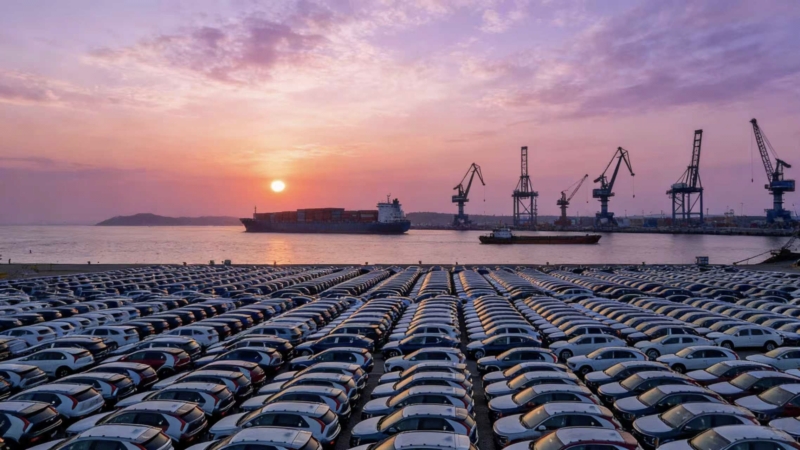
From December 1st to 7th, China’s passenger vehicle retail sales reached 297,000 units. That’s a 32 percent drop compared to the same period last year and an 8 percent decline from late November. This dip might seem concerning, but it’s important to look beneath the surface. Wholesale shipments by domestic automakers mirrored this trend, hitting 298,000 units. That represents a nearly 40 percent year-on-year decrease and is 18 percent lower than the previous month. Remember, “wholesale total” refers to vehicles shipped from manufacturers to dealerships, not direct consumer sales. This explains why wholesale and retail numbers are similar but not identical, representing deliveries rather than immediate purchases.
NEVs Continue to Electrify the Market
Even with the overall market slowdown, new energy vehicles, encompassing both battery-electric and plug-in hybrid models, remain a shining star. They accounted for 185,000 retail units in the first week of December. While this was a 17 percent drop year-on-year and a 10 percent decrease from late November, these figures still highlight the significant market share NEVs command. Their wholesale shipments reached 191,000 units, marking a 22 percent year-on-year decrease and a 20 percent month-on-month decline. What’s truly remarkable is that NEVs represented a hefty 62.2 percent of total passenger vehicle retail sales and an even larger 64.3 percent of wholesale volume during that week. This clearly shows that electric dreams are very much alive and well in China, with brands like BYD and Xiaomi making significant waves.
The Bigger Picture: 2025’s Cumulative Growth
Looking at the broader landscape of 2025, the numbers paint a more optimistic picture. Total passenger vehicle retail sales have reached 21.78 million units by early December, a solid 5 percent increase from the same period in 2024. NEV retail sales hit an impressive 11.66 million units, showing a substantial 19 percent year-on-year growth. On the wholesale front, total shipments for the year climbed to 27.06 million units, up 10 percent. And for NEVs, wholesale volumes soared to 13.95 million units, a remarkable 27 percent increase compared to 2024. This consistent growth underscores China’s unwavering commitment to embracing electrified mobility. Companies like Xpeng and Leapmotor are at the forefront of this electric revolution, continually pushing boundaries.
Production Trends: A Tale of Two Powertrains
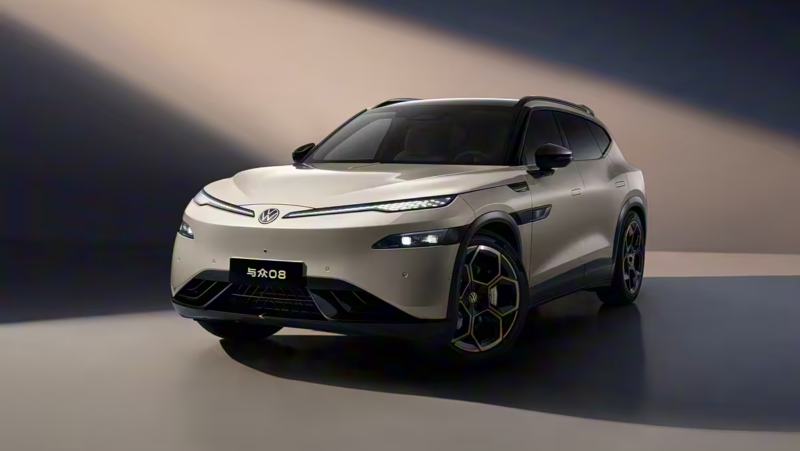
Delving into production figures for the first week of December, we see a clear contrast. Fuel-powered light vehicles totaled 212,000 units, a 27 percent decrease year-on-year and 18 percent down from November. Meanwhile, hybrid and plug-in hybrid vehicle production reached 140,000 units, a 10 percent drop from the previous year and 2 percent lower than November. These figures emphasize the ongoing transition in the market, with traditional internal combustion engines ceding ground to their electrified counterparts. Even established players like Volkswagen are investing heavily in EV technology, often partnering with local giants to stay competitive.
What Does This Mean for the Future?
The narrative is clear: even with short-term fluctuations, China’s automotive market is firmly steering towards an electric future. While overall sales saw a temporary dip, the robust performance and overwhelming market share of NEVs reveal a sustained demand for cleaner, more efficient vehicles. This trend is likely to continue, fueled by ongoing technological advancements, competitive pricing strategies, and supportive government policies. The roads ahead will undoubtedly see more exciting innovations and even more profound shifts as China continues to lead the charge in the electric vehicle revolution.