
Quick Specs & Metrics
China’s first mandatory national standard for advanced driving assistance systems, known as the “Technical Requirements and Test Methods for Automatic Emergency Braking Systems for Light Vehicles” (GB 39901—2025), is set to take effect on January 1, 2028. This new regulation expands coverage to include N1 category light commercial vehicles, such as pickup trucks and mini-trucks, increasing the scope by about 30%.
What’s Changing?
For the first time, the standard includes requirements for recognizing and testing vulnerable road users like pedestrians, cyclists, and scooter riders. It mandates that vehicles must provide warnings and braking responses when these users cross the road at speeds between 20 to 60 km/h. This is a significant step forward, considering that collisions involving pedestrians, cyclists, and scooters account for over 30% of all light vehicle traffic accidents in China.
Why This Matters
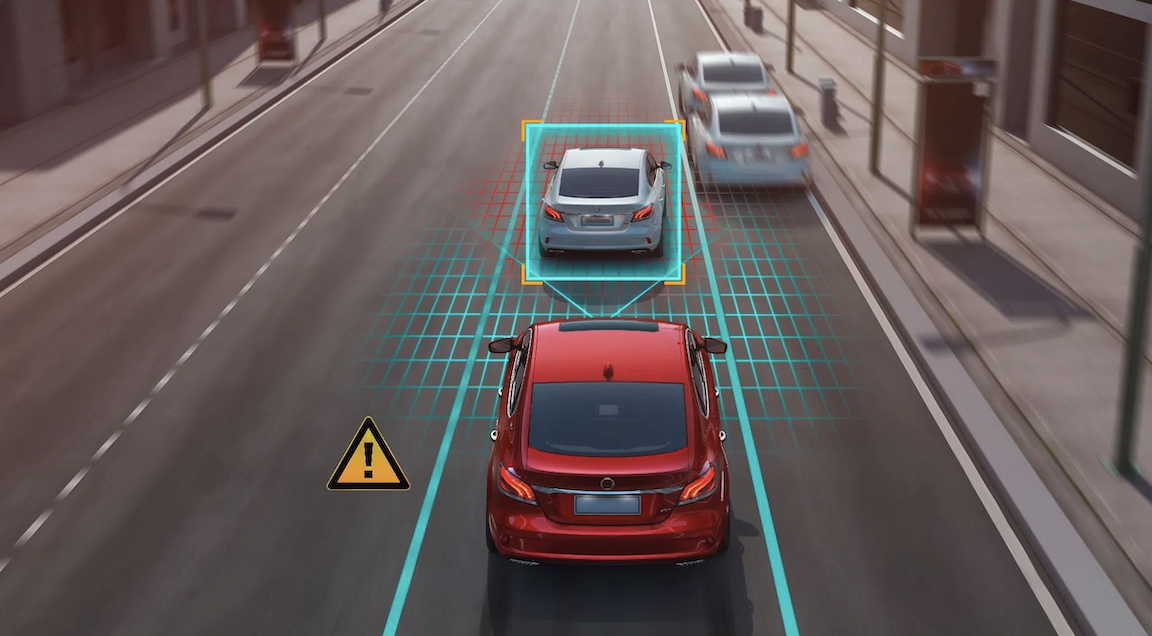
Automatic Emergency Braking (AEB) systems are designed to monitor the road ahead using cameras and radar. When a potential collision is detected, the system alerts the driver and, if necessary, automatically applies the brakes to avoid or reduce the impact. Previously, AEB was an optional feature, but this new standard makes it mandatory for light vehicles, marking a crucial shift in China’s approach to road safety.
Real-World Impact
In China, collisions at speeds between 60 to 80 km/h are common and often severe. By focusing on lower-speed scenarios, this standard aims to reduce accidents in urban areas where pedestrians and cyclists are most vulnerable. The penetration rate of AEB systems in new passenger vehicles exceeded 60% in 2025, according to BYD’s God’s Eye 5.0, highlighting the growing importance of advanced safety features.
What’s Next?
This standard is a revision of the earlier GB/T 39901-2021, transitioning AEB from a recommended feature to a mandatory one. For automakers, this means upgrading their systems to meet these new requirements. For consumers, it translates to safer roads and more confidence in their vehicles’ ability to protect both them and others on the road.
As China continues to push forward with its automotive safety regulations, we can expect even more advancements in driver assistance technologies, making roads safer for everyone.