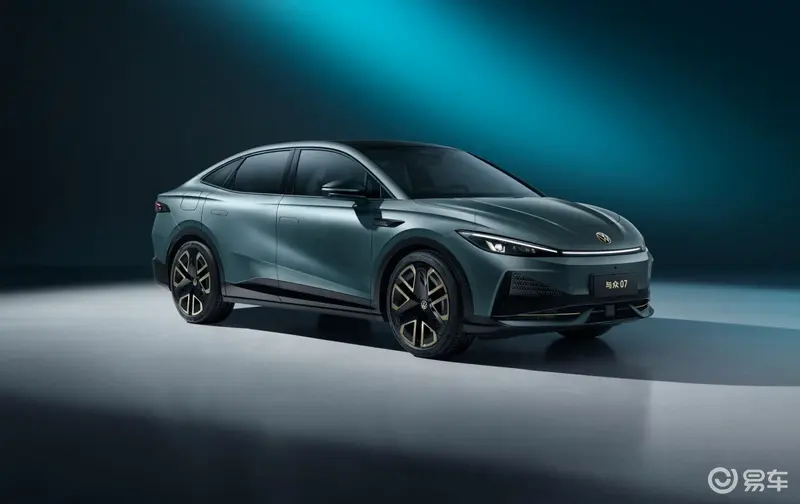

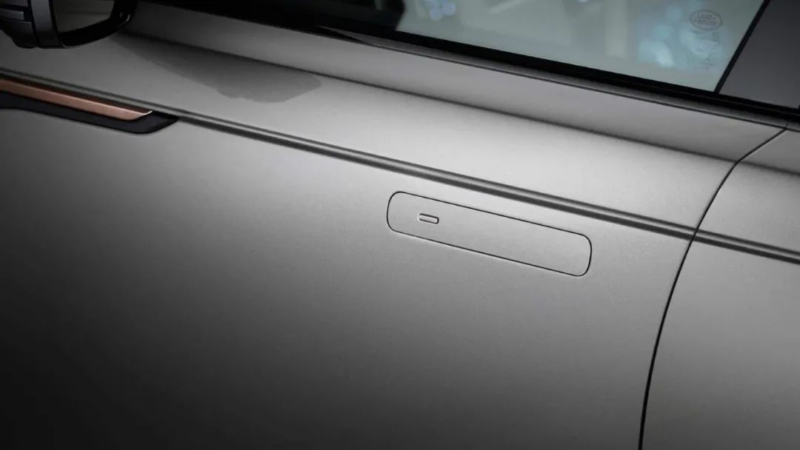
The sleek, flush-mounted door handles that have become a hallmark of modern EV design might be heading for the scrap heap in China. Regulators are reportedly gearing up for a widespread ban on fully retractable car door handles, citing significant safety hazards and a host of functional failings. This move, if it goes through, could dramatically reshape automotive design, especially for the new energy vehicles (NEVs) that have embraced this styling cue with gusto.
The Looming Ban: Safety First
Whispers from within a prominent car manufacturer suggest that new regulations are under discussion, explicitly targeting these hidden door handles. While semi-retractable and traditional handles will still get a pass, they will need mechanical redundancy to guarantee reliable operation. It sounds like a sensible move when you consider everything.
A draft of these mandatory door handle standards is expected to be finalized this month. The current proposal outlines a direct ban on fully retractable handles, with a one-year transition period. This means by July 2027, new vehicles sold in China won’t be sporting these controversial designs. Officials are also looking at automatic unlocking systems for emergency situations, like after a crash.
This news is definitely sending shivers down the spine of the auto industry. One insider admitted, “We have already notified various projects to implement this.” Even though discussions are ongoing, the potential impact is huge. This regulatory action highlights growing concerns about hidden door handles, which have faced a torrent of public criticism for simply not working as well as advertised.
The Rise and Fall of a Design Trend
Fully retractable door handles became all the rage in NEVs, often appearing as “lever-type” mechanical systems or “electronically controlled pop-out type” motorized versions. Car enthusiasts initially loved the futuristic look and the supposed aerodynamic benefits. But frankly, their practical use and safety have been seriously questioned.
Engineers actually crunched the numbers and found that a 0.01 Cd reduction in drag coefficient, often linked to these hidden handles, only saves about 0.6 kWh per 100 km. For home charging, that’s basically nothing. Plus, SAE papers indicate these handles only improve a sedan’s drag coefficient by 0.005-0.01 Cd, far less than the 0.03 Cd manufacturers often boast. Then you have the added weight from the motors and mechanical bits, usually 7-8 kilograms, which can totally cancel out any aerodynamic gains. It seems the perceived benefits were largely smoke and mirrors.
Beyond those shaky efficiency claims, hidden door handles come with some serious headaches:
-
Cost and reliability: You’d think fancy electronic door handles would be super reliable, right? Wrong. They reportedly cost three times more than good old mechanical ones but fail eight times more often. This leads to higher repair bills for NEVs. One leading brand even reported that door handle failures account for 12% of all vehicle repair cases, often requiring pricey full assembly replacements. Talk about a pain in the wallet!
-
Critical safety failures: Imagine this scenario: you’re in an accident, power goes out, or worse, there’s a fire. If your electric door handles lock up, both inside and out, it can seriously hinder rescue efforts and make it nearly impossible for occupants to escape. It’s a terrifying thought. For instance, in a 2024 “frozen door” incident in Changchun, an NEV’s occupants were trapped when the handle motor froze, costing them precious rescue time. And during the 2024 Guangdong heavy rain season, numerous vehicles with electric door handles experienced short circuits, trapping passengers who then had to smash windows to get out.
The evidence keeps piling up. China Insurance Automotive Safety Index (C-IASI) crash tests show that vehicles with electronic door handles only managed a 67% door pop-out success rate in side collisions. Compare that to the almost perfect 98% success rate of mechanical handles. The National Accident In-depth Investigation System (NAIS) even reported a 47% jump in accidents caused by door handle failures in 2024, with hidden handles being responsible for a staggering 82% of those incidents. And if that wasn’t enough, the Consumer Association noted a 132% year-on-year increase in complaints about kids’ fingers getting pinched by these handles, including some really nasty cases of broken bones. It definitely makes you wonder if sleek aesthetics are worth these serious risks.
-
Inconvenience: Let’s be honest, these handles can be a bit of a head-scratcher, especially if you’re not used to them. They also have a nasty habit of malfunctioning in extreme weather, like freezing temperatures. Nobody wants to wrestle with their car door on a chilly morning.
Industry’s Own Reckoning and Alternatives
Some automakers were smart enough to tread carefully with this trend. Volkswagen, for example, stuck with semi-retractable door handles, striking a balance between good looks, practicality, and crucial safety.
Then there’s FAW-Audi, with their new generation A5L and Q6L e-tron models. They feature semi-retractable handles that cleverly include micro-switches. In a collision, a red pull cord pops out automatically, giving external rescuers a good old mechanical handle to grab onto. Smart, right? Even Wei Jianjun, Chairman of Great Wall Motor, has publicly called out hidden door handles, saying their “contribution to drag reduction is negligible” and pointing out they’re “heavy, have poor sealing, are noisy, and rely on electric power, posing safety hazards.” It seems the industry is starting to agree that sometimes, simpler is better.
Broader Regulatory Context
This potential ban isn’t just appearing out of thin air. It follows the Ministry of Industry and Information Technology (MIIT) kicking off a revision of the national standard “Safety Technical Requirements for Automobile Door Handles” in May 2025. This revision specifically looks at the safety issues linked to current hidden door handle designs. It looks like this is just the beginning of a bigger push to make cars safer across the board.
Beyond door handles, other design choices have also stirred up controversy. Think about the move away from physical buttons to all-touchscreen interfaces, those massive panoramic sunroofs, and the shift to electronic side mirrors. There are also concerns about people using “weight rings” to trick advanced driver-assistance systems into thinking their hands are on the wheel, which has led to accidents. China’s new steering standards are certainly keeping things interesting.
Internationally, regulators are also getting in on the act. The European New Car Assessment Programme (Euro NCAP) announced that starting in 2026, cars that bury critical functions like turn signals, hazard lights, horns, wipers, and emergency calls deep within touchscreens, without physical controls, won’t be earning a five-star safety rating. It highlights a global move towards ensuring that basic vehicle functions remain accessible and safe. Automakers like Nio with their Firefly brand and Xpeng are constantly pushing the boundaries of automotive technology, but safety regulations continue to evolve to ensure those advancements don’t come at the cost of driver and passenger well-being.