
Let’s be honest, you’ve probably heard the whisper. The one that asks if sitting in a powerful electric vehicle is like relaxing inside a giant microwave. It’s a common concern floating around the EV world, but recent real-world tests have slammed the door on that myth. The verdict is in, and it’s not just good news, it’s a resounding statement: EVs, especially those from China, emit incredibly low levels of electromagnetic radiation, often even less than their gasoline-powered counterparts.
Putting Numbers to the Myth
A recent study from Germany’s ADAC, a household name in automotive testing, laid the groundwork. They measured 11 different pure electric vehicles, a few plug-in hybrids, and a standard gasoline car. The results? The electromagnetic radiation levels were extremely low across the board. Peaks were mostly found down by the driver’s feet, close to the electric motors and power lines, while the head and torso areas remained almost completely unaffected.
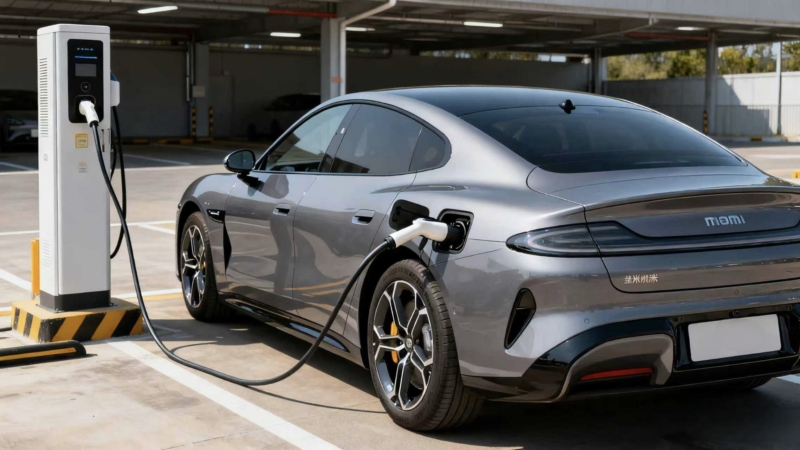
Interestingly, charging didn’t move the needle much. Even DC fast charging, which pumps massive amounts of power into the battery, sometimes produced lower radiation readings than slower AC charging.
But here’s the kicker. Real-world measurements in Chinese EVs show just how safe they are. Inside the cabin, radiation levels hover between 0.8 to 1.0 microteslas (μT) in the front row and drop to 0.3 to 0.5 μT in the back. To put that in perspective, it’s only 1% to 1.3% of China’s national safety limit of 100 μT. For a bit of real-world context, a simple electric blanket can emit anywhere from 10 to 50 μT. That’s right, you get more exposure from your cozy bedding than from driving a cutting-edge EV.
China’s Rigorous Safety Gauntlet: The NESTA Certification
Chinese automakers aren’t just meeting the standard; they are leaning into safety to build consumer trust. The China Automotive Technology & Research Centre (CATARC) is at the forefront, establishing a comprehensive certification system called NESTA, or New Energy Safety Technical Assessment. It’s a tough, six-dimensional evaluation that scrutinizes every aspect of a vehicle’s electrical systems. The six pillars are:
- Charging Safety: Ensuring the car juices up without risk.
- Electromagnetic Safety: Verifying radiation levels are negligible.
- Functional Safety: Making sure all systems operate as intended, without glitches.
- High-Voltage Safety: Protecting occupants from high-voltage components.
- Battery Safety: Testing for stability, durability, and risk of failure.
- Fire Safety: Assessing the vehicle’s resistance to fire, a critical consumer concern.
By the end of the year, 14 models had already passed this demanding certification. It’s not just a few obscure cars, either. The list includes heavy hitters like Huawei’s popular Aito M7, the much-hyped Xiaomi YU7, and NIO’s new family SUV, the Onvo L90. Other notable models earning the badge include the Li Auto i8, Aito M8, and the tech-forward Aito M9.
Top of the Class in Safety
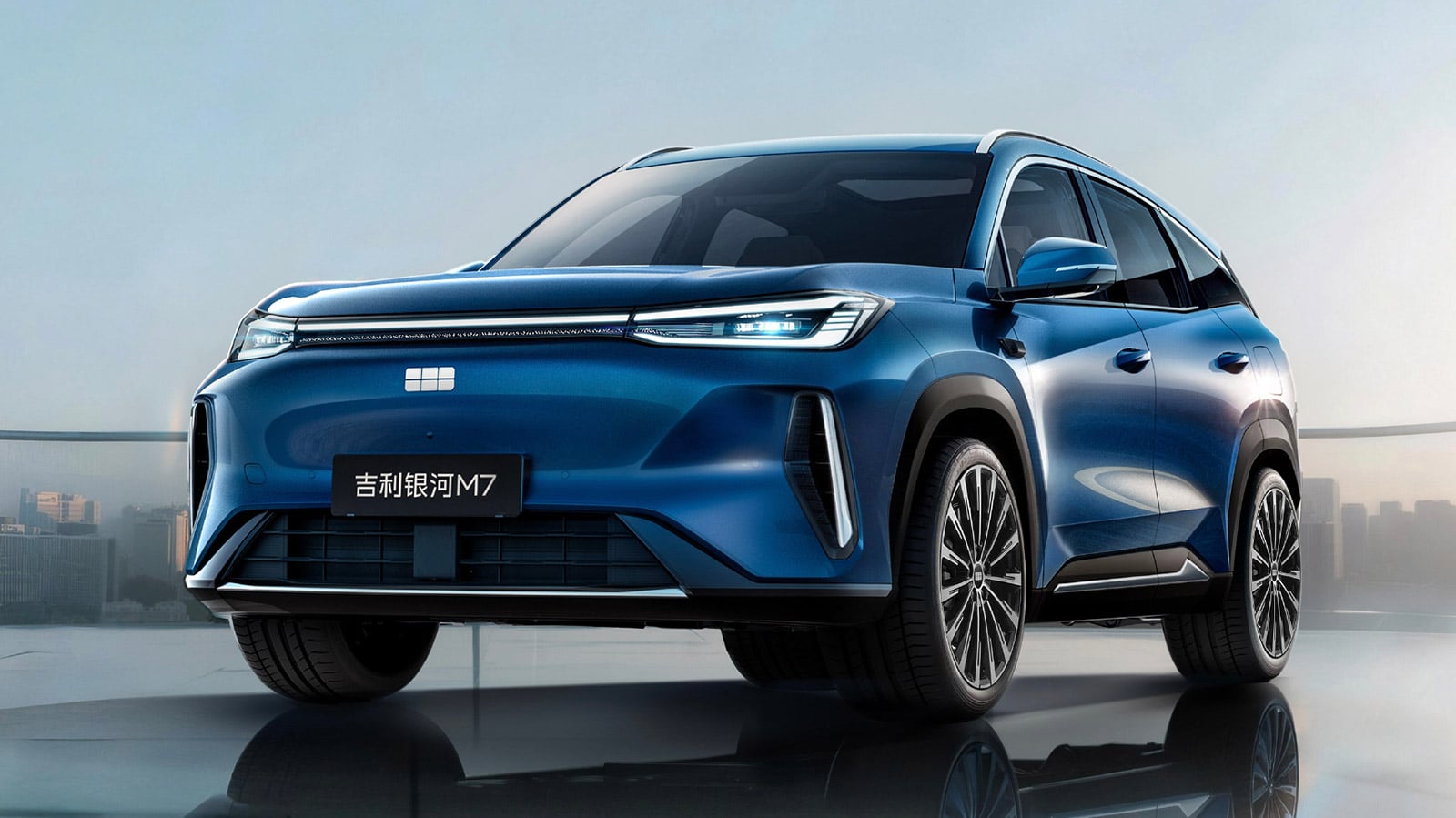
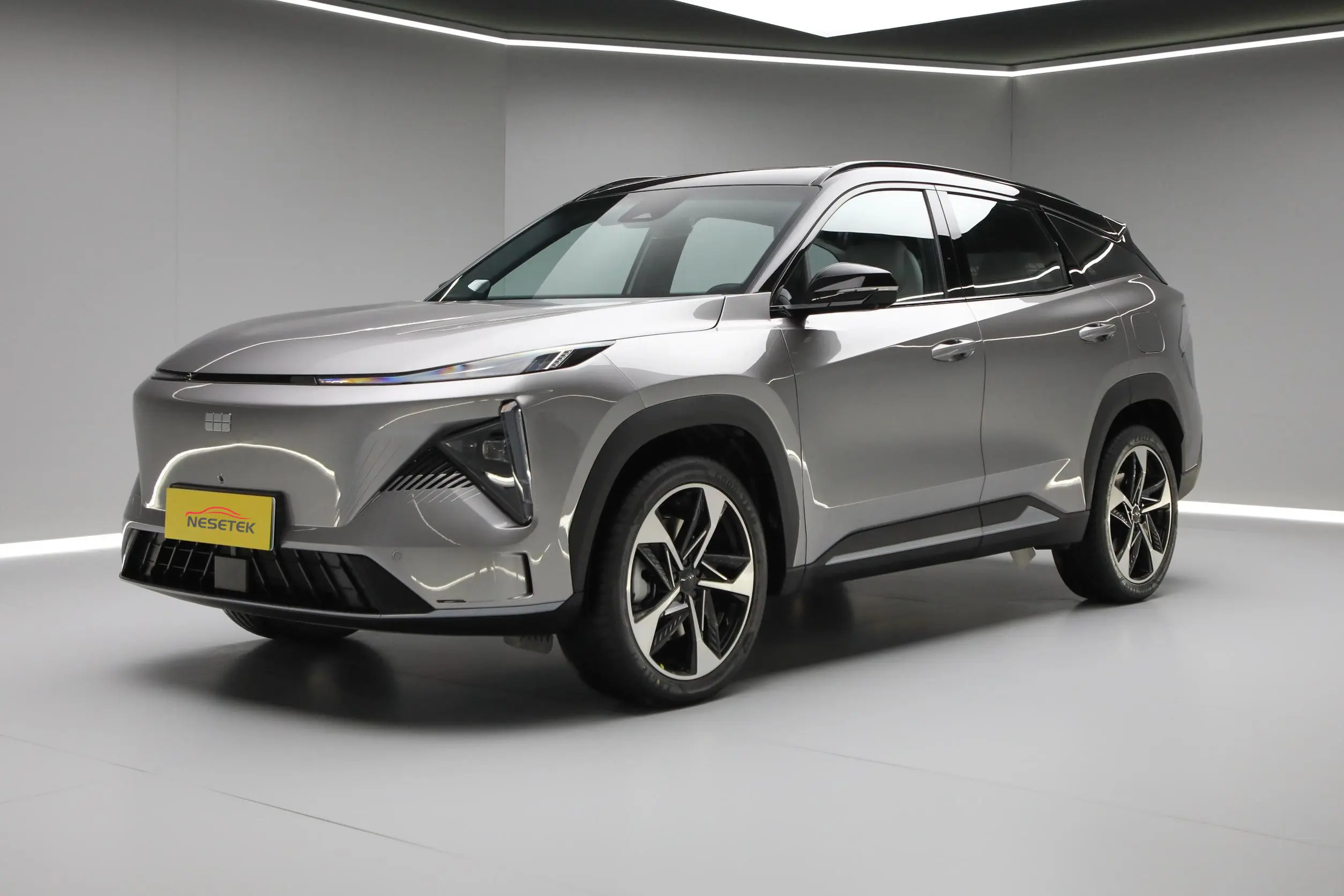
The NESTA evaluations also called out the best of the best for 2025. When it comes to electromagnetic safety, the Mercedes-Benz CLA, Li Auto i8, Zeekr 9X, and Geely Galaxy M9 were leaders of the pack. For battery safety, the rugged M-Hero M817 stood out alongside the Aito M7 and Jetour Zongheng G700. Other top performers included the BYD Han L for charging safety, the Onvo L90 and Xiaomi YU7 for functional safety, and the Onvo L60 for fire safety.
This focus on validated, multi-faceted safety proves that for Chinese manufacturers, occupant security is a core part of the engineering process, not an afterthought. So the next time someone brings up the myth of EV radiation, you can tell them the science is settled. Driving an electric car is one of the safest places you can be.