
China’s new energy vehicle (NEV) market is firing on all cylinders. The November 2025 sales figures are in, and they paint a picture of a fiercely competitive landscape where legacy giants and ambitious startups are all battling for dominance. Early data reveals who’s winning, who’s holding ground, and how China’s electrified future is taking shape right now.
BYD: The Undisputed Leader
Once again, BYD stands firmly at the top, delivering an incredible 480,186 NEVs in November. While this number is slightly down by 5.25 percent year on year, the company’s momentum is undeniable. It’s a story of two halves, with battery electric vehicles (BEVs) climbing nearly 20 percent to 237,540 units while plug in hybrids (PHEVs) saw a 22.41 percent dip to 237,380 units. The bulk of these sales, 423,558 units, came from its popular Ocean & Dynasty series. Meanwhile, its more specialized brands also contributed, with Fang Cheng Bao (FCB) adding 37,405 units, Denza chipping in 13,255, and the high end Yangwang delivering 703 units. With cumulative sales now past 14.7 million, BYD continues to widen its lead and is on track to become 2025s pure EV king.
| Rank | Carmaker / Brand | November NEV Sales |
| :— | :— | :— |
| 1 | BYD (Ocean & Dynasty, FCB, Denza, Yangwang) | 480,186 |
| 2 | SAIC | 149,900 |
| 3 | Geely (includes Geely Galaxy) | 132,652 |
| 4 | Changan | 125,000 |
| 5 | Chery | 116,794 |
| 6 | HIMA (Harmony Intelligent Mobility Alliance) | 81,864 |
| 7 | Leapmotor | 70,327 |
| 8 | Zeekr (inc. Lynk & Co) | 55,146 |
| 9 | Great Wall Motor | 40,100 |
| 10 | Xiaomi | >40,000 |
Legacy Giants Holding Strong
SAIC Group locked in the second spot with 149,900 NEV sales, thanks to strong showings from its sub brands. IM Motors delivered 13,577 units, and the MG4 Anxin Edition helped SAIC’s passenger vehicle division hit 42,000 NEV sales.
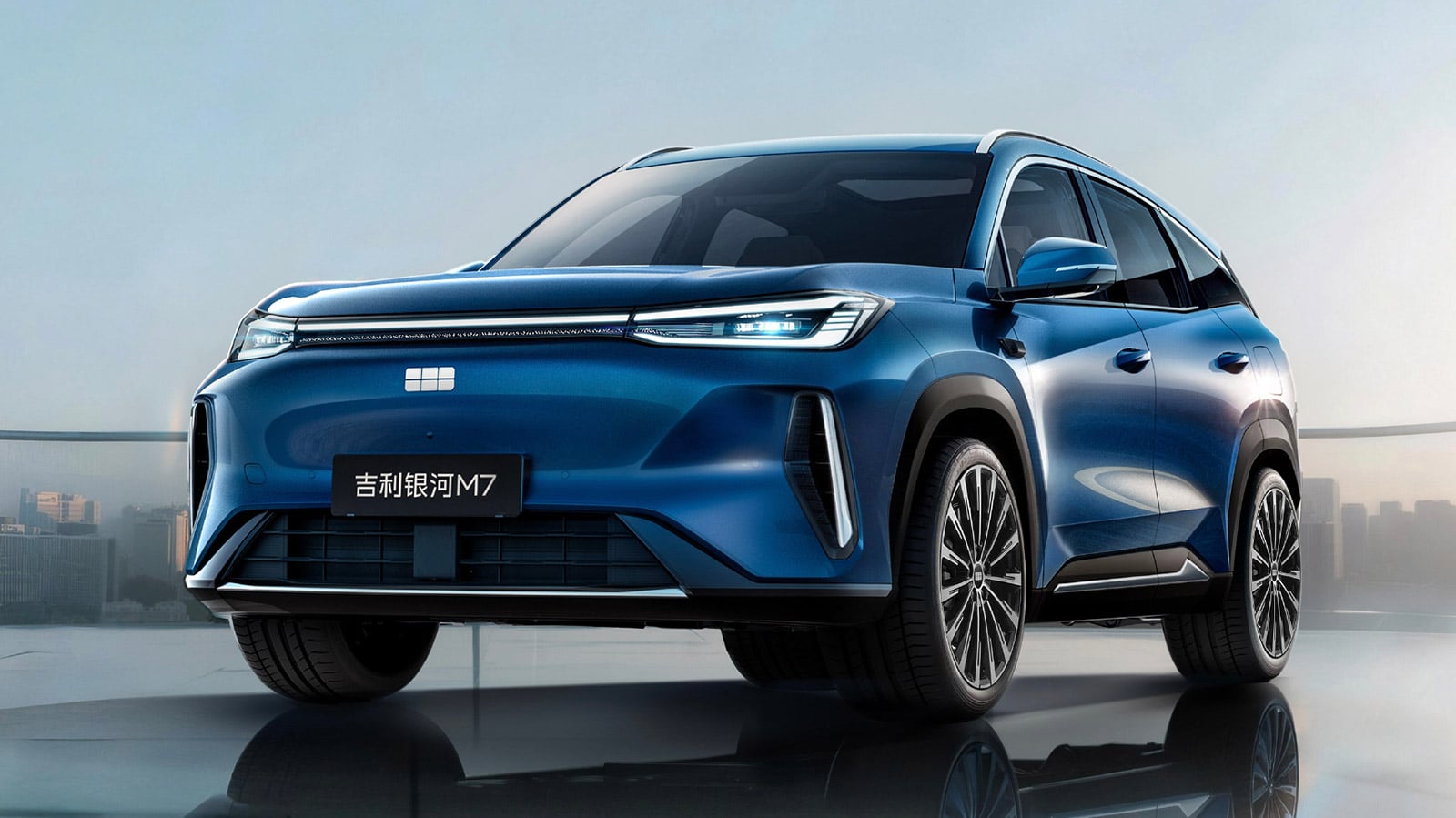
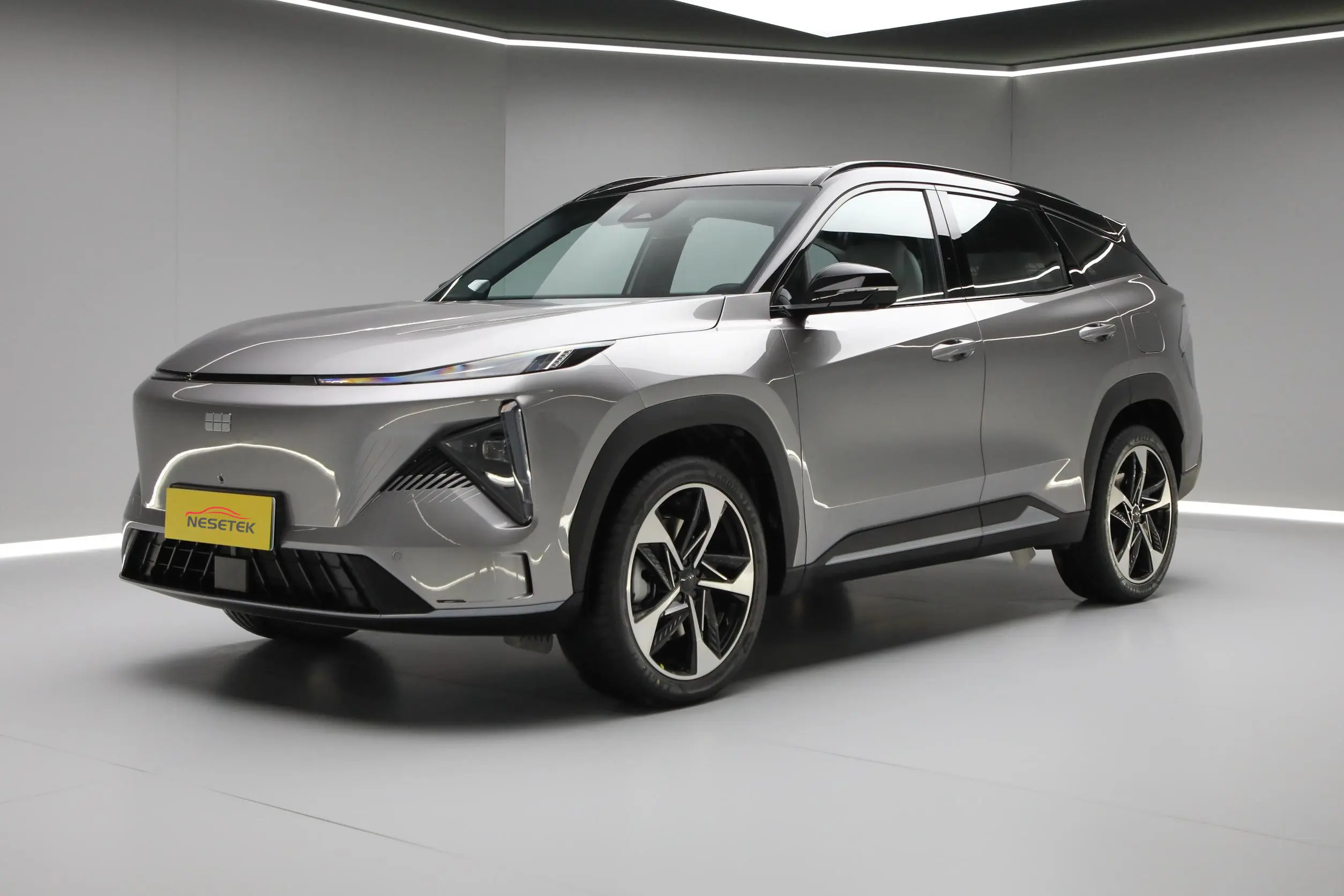
Geely’s NEV division, not including its Zeekr and Lynk & Co brands, put up a strong fight with 132,661 units. The success of its Galaxy series shows that Geely’s blend of PHEV and all electric models is resonating with buyers.
Changan Auto continues its impressive run, reporting 125,000 NEV sales and marking its third straight month over the 100,000 unit mark. Its sub brands, Deepal (33,060) and Changan Qiyuan (46,909), were major contributors.
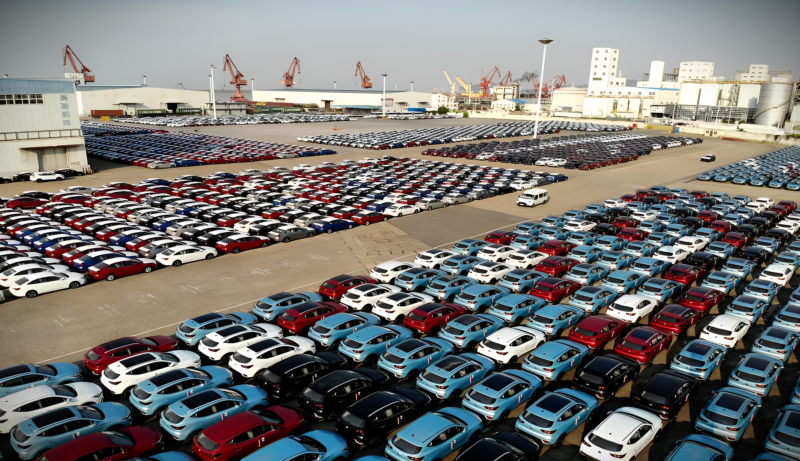
Chery Group also had a landmark month, selling 116,794 NEVs, a 50.1% year on year increase. The company is also a dominant force in exports, shipping 136,728 vehicles overseas. This marks the seventh consecutive month Chery’s exports have exceeded 100,000 units.
Startups Shaking Things Up
The November figures prove that startups are a critical part of China’s EV sales race HIMA, the Harmony Intelligent Mobility Alliance backed by Huawei, delivered a record 81,864 vehicles, up a staggering 89.61% from last year. Leapmotor also celebrated a record month, delivering 70,327 vehicles for a greater than 75% year on year jump, continuing nine straight months of solid growth.
Reported separately from Geely, Zeekr and Lynk & Co delivered a combined 55,146 NEVs. Zeekr accounted for 28,843 of those, proving its premium EV strategy is paying off, especially with compelling models like the upcoming 2026 Zeekr 7X.
Xiaomi Auto isn’t slowing down either, delivering over 40,000 vehicles as it continues to expand its retail and service network across China.
A Crowded and Competitive Field
The rest of the pack highlights the market’s sheer depth. XPeng delivered 36,728 vehicles, while GAC Aion was right behind with 36,288 sales. Nio reported 36,275 deliveries, a healthy 76.3% rise year on year. Li Auto, a key player in the premium extended range SUV space, contributed 33,181 units. Meanwhile, BAIC’s 32,328 NEVs marked its second month above 30,000 units. These numbers show just how intense the competition is, from established giants to nimble startups, all vying for a piece of the world’s most dynamic EV market.