
So, Elon Musk is apparently looking to China to build a massive solar farm. We’re talking nearly $3 billion worth of equipment, and the whispers suggest it’s all about powering those hungry data centers popping up faster than you can say ‘AI boom’. Reuters dropped the scoop, citing sources deep in the know, and it paints a fascinating picture of global supply chains and renewable energy ambitions.
This isn’t just a small order. The machinery in question will be used to churn out solar panels and cells, and the scale is staggering – 100 gigawatts of capacity planned for the US. That’s a serious chunk of energy, and it highlights just how much juice these new tech frontiers are demanding. It makes you wonder if we’re even prepared for the power needs of the next decade, especially with things like advanced AI and autonomous driving also requiring immense computational power.
Leading the charge on the supplier side, it seems, is Suzhou Maxwell Technologies. They’re the big kahunas when it comes to screen-printing equipment for solar cells globally. Other potential players include Shenzhen S.C New Energy Technology and Laplace Renewable Energy Technology. These aren’t household names for most car buyers, but for anyone following the renewable energy sector, they’re the heavy hitters.
The timeline is tight, too. These Chinese manufacturers are reportedly being pushed to deliver the equipment before the fall, with shipments likely heading to Texas. That’s a pretty aggressive schedule, suggesting the demand is immediate and the pressure is on. And here’s the kicker: a significant portion of this $2.9 billion order, including those crucial screen-printing production lines, will need the green light from Chinese regulators before it can even leave the country. It’s a reminder that even with global ambitions, geopolitical realities and national interests are always at play.
A local Beijing News report, quoting an unnamed solar company insider, seems to have corroborated the Reuters story, confirming the gigawatt-level contract size. We’ve also heard chatter that Musk’s team was recently sniffing around Chinese solar firms, particularly those dabbling in heterojunction and perovskite technologies – the next-gen stuff. This move suggests Tesla isn’t just buying off-the-shelf; they’re looking for specific, advanced capabilities.
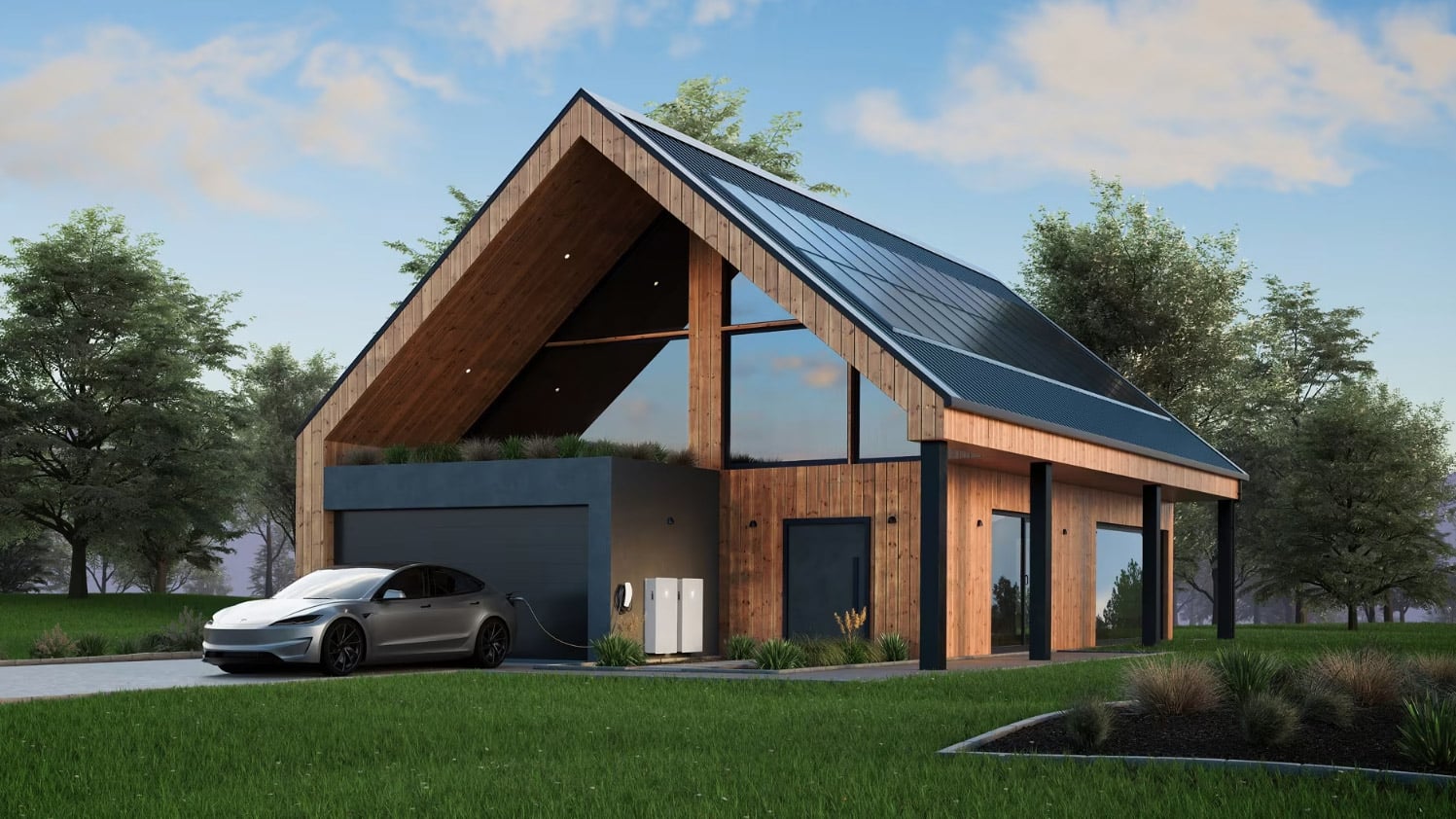
Now, who’s this solar power for? Primarily, it’s for Tesla’s own operations, including those ever-expanding data centers. But, intriguingly, some of it will also power SpaceX satellites. It’s a fascinating synergy, linking terrestrial energy needs with space-based ambitions. While Tesla’s car division has seen its own shifts, with updates to models like the Model Y and Model 3 in China, Elon’s focus clearly remains broad.
It’s worth noting the context of US solar tariffs. While the US has put up barriers to keep cheap Chinese solar panels out, the Biden administration specifically excluded solar manufacturing equipment from tariffs in 2024. This makes these kinds of deals possible, allowing companies like Tesla to tap into China’s manufacturing prowess for the necessary hardware without directly importing finished panels. It’s a complex dance between protectionism and the need for essential components. It makes you wonder how this impacts the broader EV landscape, where Chinese battery makers like CATL and BYD are already dominant players. The success of companies like BYD, with their integrated battery production, shows the power of controlling the supply chain, something Tesla seems to be replicating here in a different sector.
For us followers of the Chinese auto industry, this isn’t just about solar panels. It’s a window into how Chinese manufacturing capabilities, particularly in advanced tech sectors, are shaping global industries. It also highlights how companies like Tesla continue to rely on Chinese expertise and production capacity, even amidst trade tensions. It’s a dynamic that will undoubtedly continue to influence everything from electric vehicles to AI infrastructure. Will this solar push have any ripple effects on Tesla’s vehicle production or future plans, maybe even impacting their focus on things like the Model Y SUV or their long-term strategy, perhaps even eclipsing their earlier ventures like the Model S and X? Only time will tell, but it’s certainly a story worth watching. We’ve seen Tesla make big moves before, like their expansion into India with the Model Y deliveries, and this solar push feels like another strategic, albeit different, power play.