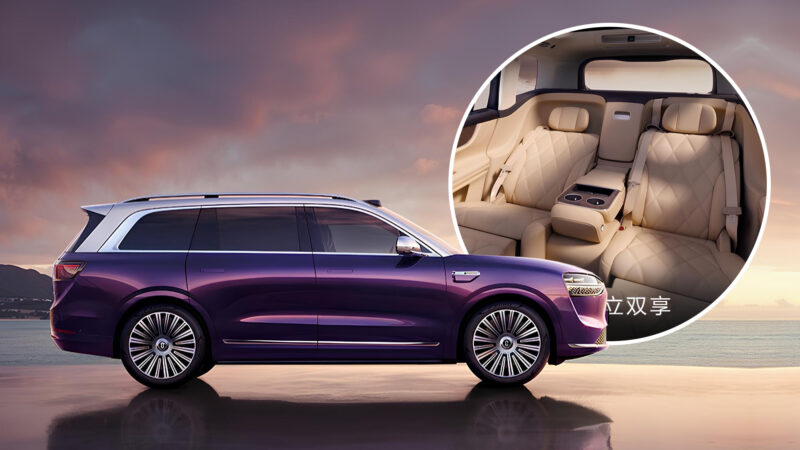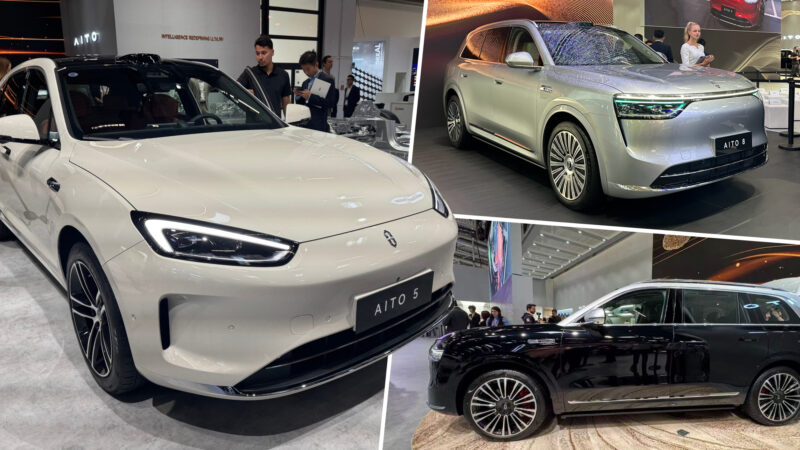

The hustle and bustle of the Chinese EV market is relentless, with brands constantly updating their offerings to stay ahead. Huawei and Seres are no strangers to this pace, and their large EREV crossover, the Aito M7, is set for a significant refresh in China. This update is all about bringing the M7 in line with its big sibling, the flagship Aito M9 SUV, particularly in its exterior styling. It is a strategic move to reignite sales after a noticeable 72.9% dip in January-April 2025.
Catching Up: The M7’s Journey So Far
When the Aito M7 extended-range crossover first hit the scene in July 2022, it came with a starting price tag of 319,800 yuan, or about 44,400 USD. A late 2023 update saw the price drop to a more accessible 258,000 yuan (35,800 USD), transforming it into a high-volume seller, moving 193,342 units in 2024. Despite this success, the 2025 sales figures have shown a sharp decline, making this facelift crucial for the M7 to reclaim its market position.
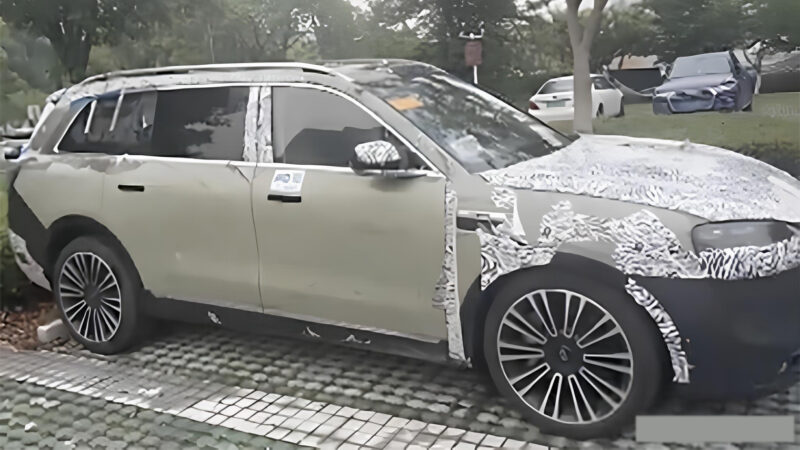
Spy Shots Reveal a Sharper Look
Recently, spy shots caught the refreshed Aito M7 undergoing road tests in China. While partially camouflaged, its new front end was clearly visible, sporting sharp headlights that mirror the prestigious Aito M9. This design choice is a smart play, aiming to give the M7 a more upscale and contemporary feel. The updated M7 also features sleek retractable door handles, stylish 10-spoke rims, and a minimalist front bumper, all contributing to a modern aesthetic.
Dimensions and Interior Tweaks Remain Familiar
Interestingly, the refreshed Aito M7 retains its familiar “greenhouse” structure, the area between the A and C pillars, suggesting its overall dimensions remain unchanged: 5020/1945/1760 mm with a wheelbase of 2,820 mm. This means you can expect similar interior space and practicality. A notable tech upgrade is the inclusion of a LiDAR sensor on the roof, hinting at enhanced advanced driver-assistance systems.
Inside, the cabin gets some thoughtful adjustments. The gear shifter now sits conveniently on the steering column, freeing up space on the center tunnel. This area now boasts two wireless charging pads and a pair of cup holders, a nod to everyday usability. Other interior highlights include speakers cleverly integrated into the front pillars, a modern two-spoke steering wheel, a sizable central touchscreen, and a thin LCD instrument panel, all designed to create a tech-forward and user-friendly environment.
Power and Potential: What’s Under the Hood?
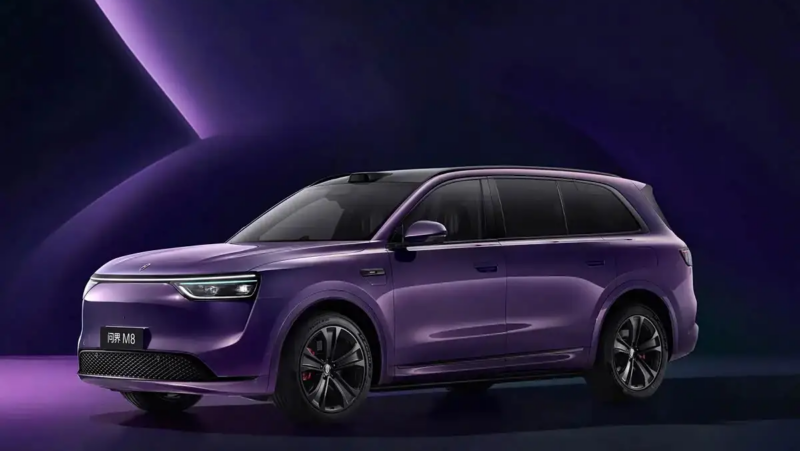
With its brand new look, the updated Aito M7 is poised to regain its popularity in China. There is also a strong possibility that Huawei and Seres might upgrade the M7’s powertrain. The Aito M8 EREV SUV, for instance, comes with a 1.5-liter turbocharged generator producing 118 kW (158 hp) and offers a potent 392 kW (526 hp) with its 4WD setup. Aligning the M7 with such capabilities would certainly add a significant performance punch, making it even more competitive in the market. The Chinese market continues to push boundaries, constantly introducing new and exciting options, as evidenced by the rapid pace of product updates and fierce competition seen across various brands like Xpeng, Leapmotor, and Xiaomi Auto, all vying for market share. This relentless innovation underscores China’s pivotal role in shaping the future of electric and extended-range vehicles.