
Quick Specs & Metrics
Li Auto is doubling down on AI and robotics, restructuring its R&D teams to focus on embodied intelligence. Here’s the breakdown:
- New Teams: Foundation Model, Software, Hardware
- Key Leaders: Lang Xianpeng (Hardware), Gou Xiaofei (Software), Zhan Kun (Foundation Model)
- AI Timeline: 2026 target for leadership, 2028 for Level 4 autonomy
- New Frontier: Humanoid robots in development
The Big Pivot
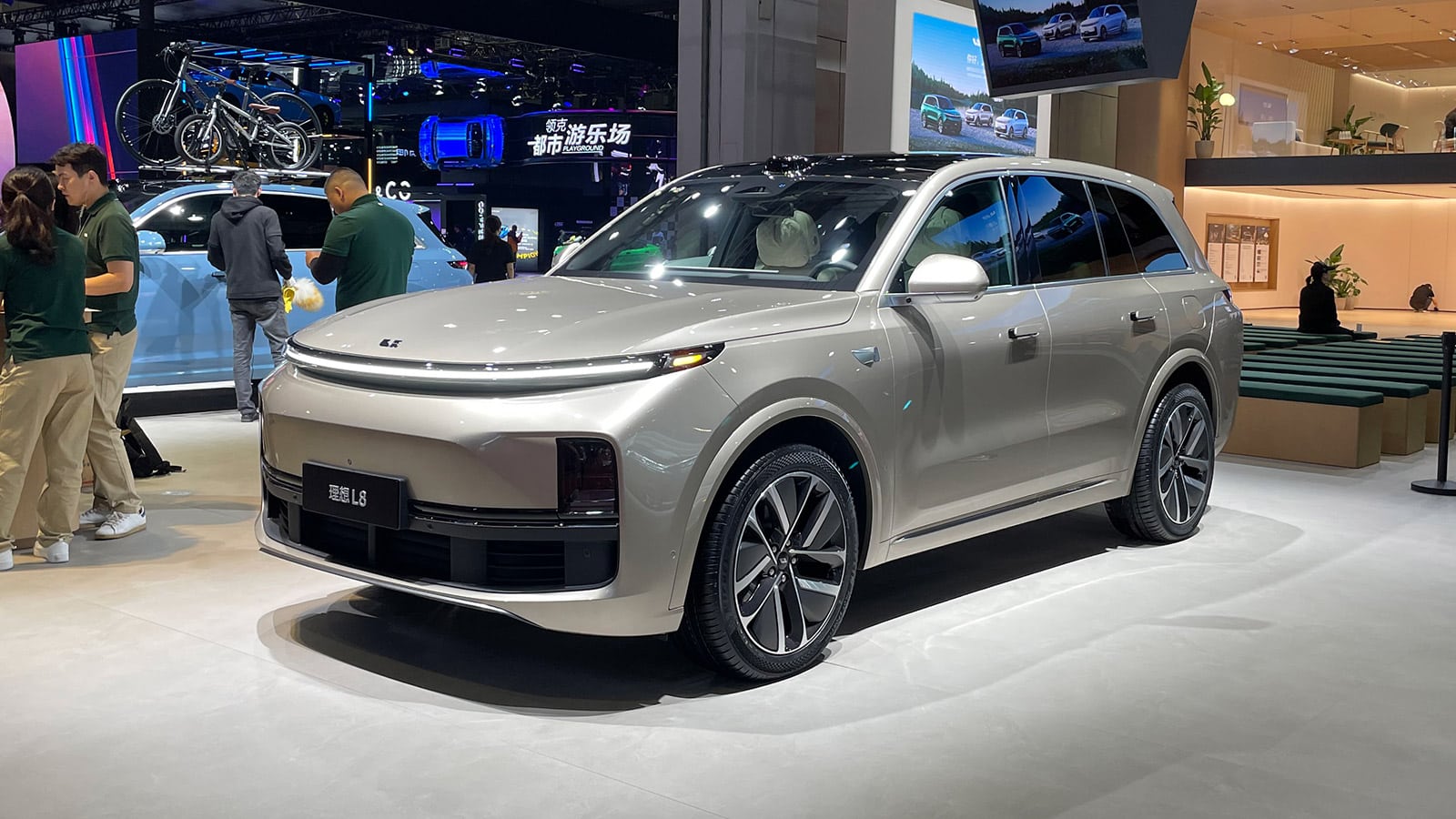
Li Auto isn’t just building family SUVs anymore. The Chinese automaker is making a bold move into AI and robotics, restructuring its entire R&D operation to chase what CEO Li Xiang calls “embodied intelligence.” It’s a shift that could redefine what we expect from carmakers.
The changes put Lang Xianpeng, formerly head of autonomous driving, in charge of hardware development with a focus on robotics. Meanwhile, the autonomous driving team gets folded into the software division under Gou Xiaofei. The new foundation model team, led by Zhan Kun, will work on integrating visual-language-action systems with Li Auto’s custom chips.
Why This Matters
Li Auto’s restructuring reflects how Chinese EV makers are evolving. While Western automakers often separate their car business from tech initiatives, Chinese companies like Li Auto, BYD, and XPeng are blending automotive and advanced tech development under one roof.
During a recent internal meeting, Li Xiang laid out an ambitious timeline: 2026 as the make-or-break year for AI leadership, with Level 4 autonomous driving expected by 2028. That’s aggressive compared to most global automakers’ projections.
Beyond Cars
The most surprising revelation? Humanoid robots. Li Auto plans to introduce them “as soon as possible,” though details remain scarce. This puts them in competition with Tesla’s Optimus bot and Chinese tech giants like Xiaomi.
For consumers, this shift could mean Li Auto’s future vehicles get smarter faster. The company’s focus on vertical integration—developing everything from chips to AI models in-house—could give it an edge in creating seamless human-machine interfaces.
The Chinese Context
China’s EV market moves at breakneck speed. Where traditional automakers might take 4-5 years to develop a new model, Chinese brands like Li Auto routinely refresh products in 12-18 months. This restructuring suggests they’re applying that same rapid iteration to AI and robotics.
It’s a high-stakes gamble. As battery tech and safety systems become increasingly standardized, AI and software may become the key differentiators in the EV space. Li Auto is betting big that being great at cars isn’t enough—you need to master intelligence that moves.